

Creating Career Path...

Finding Further Careers...

Maritime Archaeologist

View this career for different education levels:

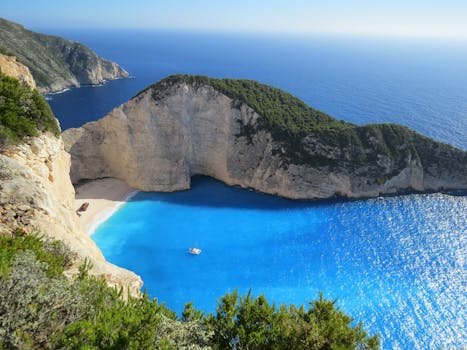
Imagine being a detective for ancient shipwrecks and underwater cities! That's a bit like what a Maritime Archaeologist does. In the UK, these experts explore and study the hidden history beneath our seas, rivers, and even lakes. They search for old ships, planes, submerged landscapes, and other artefacts that tell us about how people lived, travelled, and worked hundreds or even thousands of years ago. Their work involves a lot more than just diving; they use special equipment like sonar to find things, plan exciting expeditions, carefully excavate underwater sites, and then preserve and study what they find. They also spend time researching old maps and documents, writing reports, and helping museums display their discoveries. It's a fantastic job for someone who loves history, the sea, and solving mysteries, and is happy to work outdoors in all sorts of weather, sometimes in remote locations. You'd learn a lot about science, history, and even engineering to do this job well.

Maritime Archaeologist

Flag Media

Please select a reason for flagging this content.

📊 Statistics

Typical Salary Range

A starting salary for a Maritime Archaeologist in the UK might be around £22,000 to £28,000 per year. With more experience, this can go up to £35,000 to £50,000 or even higher for senior roles, depending on the organisation and project.

Number of Positions

This is a specialist field, so there arent thousands of jobs. There are likely only a few hundred maritime archaeologists working in the UK at any one time, often on specific projects for heritage organisations, universities, or commercial companies.

Project-based Work

A significant amount of work in maritime archaeology in the UK is project-based. This means jobs can vary in length, from short contracts for a few months to longer-term positions of a year or more, often tied to funding for specific archaeological sites.

🚀 Careers in this path

Flag Media

Please select a reason for flagging this content.

Underwater Surveyor

Imagine exploring the seabed, not just for old ships, but to map out the ocean floor! You would use special equipment like sonar to create detailed pictures of what's beneath the waves, helping to find archaeological sites or plan new offshore projects. It's like being a detective for the sea, using cool technology.

Flag Media

Please select a reason for flagging this content.

Marine Heritage Conservator

If you love the idea of preserving history, this is for you! Once ancient objects like shipwrecks or pottery are found underwater, they often need very careful cleaning and treatment to stop them from decaying. You'd work in a lab, using scientific methods to protect these precious items so people can learn from them for hundreds of years to come.

Flag Media

Please select a reason for flagging this content.

Archaeological Illustrator

Not everyone dives, but everyone can help bring history to life! If you're good at drawing or using computers, you could create amazing illustrations and 3D models of shipwrecks, artefacts, and underwater sites. These drawings help scientists understand their discoveries and show the public what these incredible places look like, even if they can't visit them.

Build Your Foundations

Excel in School Subjects

Focus on subjects like History, Geography, English, and Science (especially Physics or Chemistry if offered) as they will give you a strong base for future studies.

Good grades in these subjects will be crucial for getting into relevant college courses. History helps you understand past civilisations, Geography teaches you about landscapes and mapping, English is vital for report writing, and Science can be useful for understanding how materials decay underwater and for operating technical equipment.

Explore Your Interests

Read books, watch documentaries, and visit museums related to history, archaeology, and the ocean. Join clubs like history or geography societies at school.

Developing a genuine passion for the subject now will make your future studies much more enjoyable and successful. Look for local museums with maritime exhibits or even consider joining a local history group that might have talks on related topics. Learning about different types of ships and historical periods will be very beneficial.

Improve Your Swimming Skills

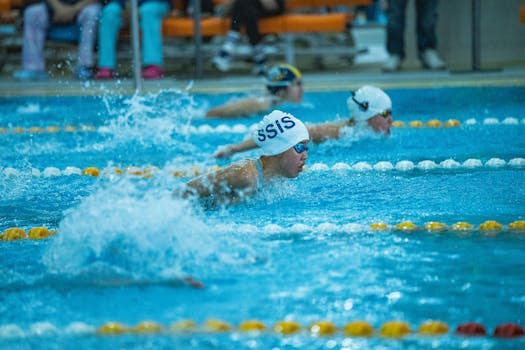
Being a strong swimmer is absolutely essential for any underwater career. Take swimming lessons and practise regularly to become confident and comfortable in the water.

You'll need to be able to swim long distances and be at ease in various water conditions. While SCUBA diving certification comes later, having excellent swimming ability is the first step. Look into joining a local swimming club or taking advanced swimming classes to build your stamina and technique.

Gain Relevant Experience

Complete a SCUBA Diving Course

Once you are old enough (usually 10 or 12 for junior courses, 15+ for full certification), get your basic SCUBA diving certification. This will allow you to explore underwater safely.

Look for PADI, BSAC, or SSI certified dive centres in the UK. Start with an Open Water Diver course. This certification is a fundamental requirement for most underwater archaeological work. Make sure to practise regularly to maintain your skills and consider advanced courses once you're comfortable.

Volunteer or Intern

Look for opportunities to volunteer at museums, heritage sites, or even local archaeology groups. This gives you practical experience and shows your dedication.

Even if it's not directly maritime archaeology, any experience in heritage, conservation, or general archaeology is valuable. You'll learn about recording data, artefact handling, and working in a team, all crucial skills for a maritime archaeologist. Organisations like the National Trust or local historical societies might have openings.

Develop Technical Skills

Learn about photography, videography, or even basic CAD (Computer-Aided Design) software. These are vital for documenting underwater finds.

Archaeologists extensively use photography and videography to record sites before excavation. Learning how to take clear, well-lit photos and videos will be a huge asset. Basic CAD skills can help with mapping and creating digital models of sites. There are many free online tutorials and courses available to get you started.

Advanced Education & Specialisation

Pursue a Relevant Degree

After school, you'll typically need to complete a university degree in Archaeology, Maritime Archaeology, or a related field like History with an archaeological focus.

Many UK universities offer excellent Archaeology programmes. Look for courses that include modules on maritime archaeology, underwater survey techniques, or even offer field school opportunities that include diving. A strong undergraduate degree is essential for further postgraduate study.

Obtain Advanced Diving Qualifications

Beyond basic SCUBA, you'll need advanced certifications like Rescue Diver, Divemaster, and potentially commercial diving qualifications, depending on the role.

For professional maritime archaeology, you often need to be able to work in more challenging conditions and lead dives. Rescue Diver teaches you how to handle emergencies, and Divemaster expands your diving knowledge and leadership skills. Some roles might even require HSE (Health and Safety Executive) professional diving qualifications, which are more rigorous.

Consider Postgraduate Study

Many maritime archaeologists complete a Master's (MA or MSc) or even a PhD in Maritime Archaeology to specialise and gain expert knowledge.

A postgraduate degree allows you to delve deeply into specific areas of maritime archaeology, conduct your own research, and often provides opportunities for fieldwork and publication. This level of specialisation is often required for research roles, academic positions, or senior project management in the field. Look for universities with dedicated maritime archaeology departments or research centres.

🎯 View Apprenticeships

Explore relevant apprenticeships that can help you kickstart your career in Maritime Archaeologist. Apprenticeships offer hands-on experience and training while earning a wage.

Career Progressions

No career progressions found for Maritime Archaeologist

Sample Qualifications

A Maritime Archaeologist specialises in the study of human interaction with the sea, lakes, and rivers through archaeology. Their core discipline and qualifications align directly with archaeology, just applied to an underwater or coastal context.

How to become

You can get into this job through:

  • a university course
  • an apprenticeship

University

Most professional archaeologists have a degree and many also have a postgraduate qualification.

You can do a degree in archaeology or a related subject, like:

  • environmental archaeology
  • human evolution
  • archaeological science
  • ancient history
  • conservation and cultural heritage

You can search for higher education archaeology courses on British Archaeological Jobs and Resources.

After completing a first degree, you could take a postgraduate course and specialise in a particular field. 

Examples include:

  • osteoarchaeology - studying human remains
  • marine archaeology - investigating coastal and underwater sites
  • digital archaeology - creating visualisations of ruins and finds

Entry requirements

You'll usually need:

  • 2 to 3 A levels, or equivalent, for a degree
  • a degree in a relevant subject for postgraduate study

More Information

Apprenticeship

You could apply to do an Archaeological Technician Level 3 Advanced Apprenticeship, with an archaeological consultancy, university department or heritage organisation. This could lead to a position like archaeological site assistant or finds technician.

With further training, you could become a professional archaeologist.

You could also complete an Archaeological Specialist Level 7 Postgraduate Degree Apprenticeship.

The degree apprenticeship typically takes 3 years to complete and combines learning on-the-job with university study.

Employers will assess your skills, experience and qualifications when you apply, and usually require a relevant first degree.

Entry requirements

Employers will set their own entry requirements.

More Information

Volunteering

Competition for courses and jobs is very strong. It's essential that you get practical experience.

Local and regional archaeological associations run volunteer fieldwork programmes for all age groups.

These offer you the chance to get hands-on experience, doing tasks like:

  • site surveys
  • excavations
  • recording finds

You can find volunteering opportunities through the Council for British Archaeology.

More Information

Career tips

There are a lot of different specialisms in archaeology and skills you have from another career can be useful, for example:

  • computer-aided design (CAD)
  • illustration
  • photography
  • geographical information systems (GIS)

Professional and industry bodies

You can join the Chartered Institute for Archaeologists for professional development training and networking opportunities.

Further information

You'll find more details about how to become an archaeologist from the:

Interested in More Career Paths?

Explore other careers or use our AI to discover personalised paths based on your interests.

Stay connected

Join our newsletter to stay up to date on features and releases

Address
Developing Experts Limited
Exchange Street Buildings
35-37 Exchange Street
Norwich
NR2 1DP
UK

Phone
01603 273515

Email
[email protected]

Copyright 2025 Developing Experts, All rights reserved.
