

Creating Career Path...

Finding Further Careers...

Maritime Archaeologist

View this career for different education levels:

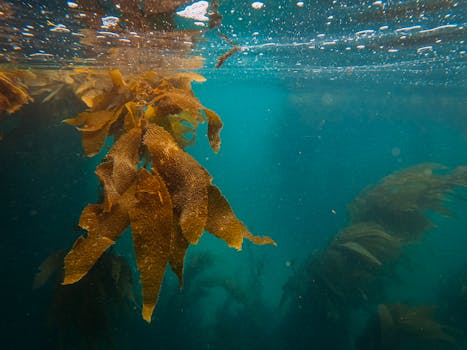
Imagine being a detective for history, but instead of looking for clues in old houses, you explore sunken ships and ancient cities hidden beneath the waves. That's what a Maritime Archaeologist does! They are like underwater explorers who discover treasures from the past that have been covered by the sea for hundreds or even thousands of years. They might find old pottery, tools, or even whole ships. Their job is to carefully study these finds to understand how people lived long ago, what they ate, what they believed in, and how they sailed the oceans. They use special underwater cameras and tools to record everything they see, just like scientists working on land. It's a very exciting job where you get to learn about history and explore the amazing world beneath the sea. To do this job, you need to be very patient and love history. You also need to be a good swimmer and get a special diving certificate, so you can safely explore underwater. Sometimes the water can be cold or murky, so you need to be brave too! Maritime archaeologists work for museums, universities, or special companies that look after our history. They help to make sure that important historical sites underwater are protected and that everyone can learn from the stories they tell. It's a bit like being a treasure hunter, but instead of keeping the treasure, you share its story with the world.

Maritime Archaeologist

Flag Media

Please select a reason for flagging this content.

📊 Statistics

Average Salary in the UK

A starting Maritime Archaeologist might earn around 20,000 to 25,000 pounds a year. With more experience, this could go up to 35,000 pounds or even more for very senior roles.

Number of Positions

Maritime Archaeology is a special job, so there arent as many positions as some other careers. Its a small community of experts in the UK, with perhaps a few hundred people working in this area, sometimes on short term projects.

Time Spent Underwater

Maritime Archaeologists spend a lot of time planning and researching on land. While the amount varies, they might spend weeks at a time on excavation projects, with daily dives lasting a few hours each to explore wrecks or ancient sites underwater.

🚀 Careers in this path

Flag Media

Please select a reason for flagging this content.

Underwater Explorer

Imagine being an underwater explorer! You could use special cameras and robots to look for old shipwrecks and lost cities under the sea, without even getting wet yourself. You'd help us learn about history hidden deep in the ocean.

Flag Media

Please select a reason for flagging this content.

Marine Historian

A marine historian is like a detective who loves the sea! You'd read old maps, diaries, and books to discover stories about ships, sailors, and sea adventures from long, long ago. You'd help write new books and make museum exhibits about our amazing maritime past.

Flag Media

Please select a reason for flagging this content.

Shipwreck Surveyor

As a shipwreck surveyor, you'd be like an artist and a scientist! You'd visit old shipwrecks, maybe even under the sea, and carefully draw and measure everything to make a detailed map of the site. This helps grown-ups understand how the ship sank and what life was like onboard.

Learn About History and the Sea

Be a History Detective

Start by learning lots about history, especially old ships and people who lived by the sea. Read books, watch documentaries, and visit museums to see ancient things.

When you're at school, pay attention in history lessons! You can read fun books about pirates, Roman ships, or Viking voyages. Look for museums that have displays about the sea, old boats, or even just old things that tell a story. Learning about how people lived long ago is the first step to becoming a great maritime archaeologist.

Love the Ocean

Spend time near the sea or rivers, learning about the water and what lives in it. This helps you understand the environment where hidden treasures might be.

Visit the beach, a lake, or a river and just observe. What do you see? What do you feel? Learn about the tides, the different types of fish, and how the water moves. Understanding the natural world of the ocean or a river helps you think like a maritime archaeologist and imagine where ancient objects might have ended up. You could even learn to swim well!

Explore Your Local Area

Look for local historical places, especially those near water. You might find clues to the past right on your doorstep!

Ask your parents or teachers if there are any old buildings, landmarks, or even old maps of your town that show what it was like a long time ago. If your town is near a river or the sea, there might be old docks or places where boats used to land. Pretend you're a detective and see what historical stories you can uncover in your own neighbourhood. Every little bit of history helps!

Develop Special Skills

Become a Super Swimmer

Learning to swim really well, and maybe even scuba dive, is very important because a lot of the work is done underwater.

Start by taking swimming lessons to become a confident and strong swimmer. As you get older, you might be able to try snorkelling, which lets you see underwater things from the surface. When you're a teenager, you could even learn to scuba dive with special training, which is like being able to breathe underwater! This skill is super important for finding and studying things deep in the sea.

Learn How to Draw and Record

Practice drawing pictures and writing notes about things you see. This is how archaeologists remember and share what they find.

When maritime archaeologists find something amazing, they don't just pick it up. They first draw it, take photos, and write down exactly where they found it and what it looks like. Practice drawing things carefully and writing clear descriptions. You could draw shells you find at the beach or old stones in a park. This helps you develop the keen eye and careful hand needed for archaeological work.

Get Good at Science and Maths

Science helps you understand how old things get preserved in water, and maths helps with measuring and mapping sites.

Understanding how different materials, like wood or metal, behave underwater over hundreds of years is part of science. Maths is important for measuring exactly how big a shipwreck is or where everything is located on the seabed. Pay attention in your science and maths classes at school. They might seem tricky sometimes, but they are like tools that archaeologists use all the time!

Future Steps and Adventures

Study at University

When you're older, you'll go to university to study archaeology or maritime archaeology specifically. This is where you learn all the expert skills.

After school, if you still love history and the sea, you can choose to study archaeology or a related subject like history or marine science at university. Some universities even have special courses just for maritime archaeology! Here, you'll learn from professors who are real archaeologists and practice using special equipment. It's like going to a secret school for treasure hunters!

Join an Archaeology Club or Project

Look for chances to help out with archaeological digs or projects, even if they're on land. This gives you real experience.

Sometimes museums or local archaeology groups have special days or projects where volunteers can help. You might not be diving underwater yet, but even helping to clean pottery, sort finds, or dig carefully in a field will teach you how archaeologists work. Getting involved shows you are keen and helps you meet real archaeologists who can teach you even more.

Keep Learning and Exploring

Never stop being curious about the past and the underwater world. There's always something new to discover!

Maritime archaeology is all about discovery, and the learning never stops. Read new books, visit different museums, watch documentaries about new shipwrecks being found, and keep your love for the ocean alive. Every new piece of information or skill you learn will help you on your exciting journey to becoming a maritime archaeologist.

🎬 Useful Videos

🎯 View Apprenticeships

Explore relevant apprenticeships that can help you kickstart your career in Maritime Archaeologist. Apprenticeships offer hands-on experience and training while earning a wage.

Career Progressions

No career progressions found for Maritime Archaeologist

Sample Qualifications

A Maritime Archaeologist is a specialised branch of archaeology that focuses on the study of human interaction with the sea through historical remains. Therefore, 'Archaeologist' is the most direct and accurate overarching classification.

How to become

You can get into this job through:

  • a university course
  • an apprenticeship

University

Most professional archaeologists have a degree and many also have a postgraduate qualification.

You can do a degree in archaeology or a related subject, like:

  • environmental archaeology
  • human evolution
  • archaeological science
  • ancient history
  • conservation and cultural heritage

You can search for higher education archaeology courses on British Archaeological Jobs and Resources.

After completing a first degree, you could take a postgraduate course and specialise in a particular field. 

Examples include:

  • osteoarchaeology - studying human remains
  • marine archaeology - investigating coastal and underwater sites
  • digital archaeology - creating visualisations of ruins and finds

Entry requirements

You'll usually need:

  • 2 to 3 A levels, or equivalent, for a degree
  • a degree in a relevant subject for postgraduate study

More Information

Apprenticeship

You could apply to do an Archaeological Technician Level 3 Advanced Apprenticeship, with an archaeological consultancy, university department or heritage organisation. This could lead to a position like archaeological site assistant or finds technician.

With further training, you could become a professional archaeologist.

You could also complete an Archaeological Specialist Level 7 Postgraduate Degree Apprenticeship.

The degree apprenticeship typically takes 3 years to complete and combines learning on-the-job with university study.

Employers will assess your skills, experience and qualifications when you apply, and usually require a relevant first degree.

Entry requirements

Employers will set their own entry requirements.

More Information

Volunteering

Competition for courses and jobs is very strong. It's essential that you get practical experience.

Local and regional archaeological associations run volunteer fieldwork programmes for all age groups.

These offer you the chance to get hands-on experience, doing tasks like:

  • site surveys
  • excavations
  • recording finds

You can find volunteering opportunities through the Council for British Archaeology.

More Information

Career tips

There are a lot of different specialisms in archaeology and skills you have from another career can be useful, for example:

  • computer-aided design (CAD)
  • illustration
  • photography
  • geographical information systems (GIS)

Professional and industry bodies

You can join the Chartered Institute for Archaeologists for professional development training and networking opportunities.

Further information

You'll find more details about how to become an archaeologist from the:

Interested in More Career Paths?

Explore other careers or use our AI to discover personalised paths based on your interests.

Stay connected

Join our newsletter to stay up to date on features and releases

Address
Developing Experts Limited
Exchange Street Buildings
35-37 Exchange Street
Norwich
NR2 1DP
UK

Phone
01603 273515

Email
[email protected]

Copyright 2025 Developing Experts, All rights reserved.
