A Medievalist is an academic or researcher specialising in the study of the Middle Ages, generally spanning from the 5th to the 15th century. This interdisciplinary field involves investigating various aspects of medieval society, culture, politics, religion, art, literature, and economics. Their work often involves extensive research in archives, libraries, and sometimes archaeological sites, poring over original manuscripts, artefacts, and historical records. Many Medievalists work within universities, teaching history, literature, or archaeology to undergraduate and postgraduate students, supervising dissertations, and conducting their own research. They might also contribute to public understanding of history through writing books, articles, and engaging with museums or heritage organisations. The day-to-day life of a Medievalist can be incredibly varied. It might involve preparing and delivering lectures, marking essays, applying for research grants, attending academic conferences to present new findings, or spending hours deciphering Latin or Old English texts. The role demands strong analytical skills, a meticulous attention to detail, and a deep passion for historical inquiry. Beyond academia, some Medievalists might find roles in heritage management, archival work, or museum curation, applying their specialised knowledge to preserve and interpret medieval artefacts and sites for the public.

Starting salaries for entry-level academic positions (e.g., teaching associate, research assistant) in the UK can range from approximately 28,000 to 35,000 GBP per year, depending on the institution and specific role.
More experienced academics, such as lecturers or senior researchers specializing in medieval studies, can earn between 40,000 and 60,000 GBP, with professorial roles potentially exceeding 70,000 GBP annually.
While exact numbers for 'Medievalists' are not precisely tracked, the academic job market in humanities in the UK is highly competitive. There are typically fewer than 100 permanent, full-time lectureship or research positions specifically advertised for medieval history, literature, or archaeology across UK universities each year, making it a challenging field to enter.

Focuses on excavating and interpreting physical remains from the medieval period in the UK, such as castles, monasteries, and villages, to understand daily life, social structures, and technology. This involves fieldwork, artefact analysis, and report writing.
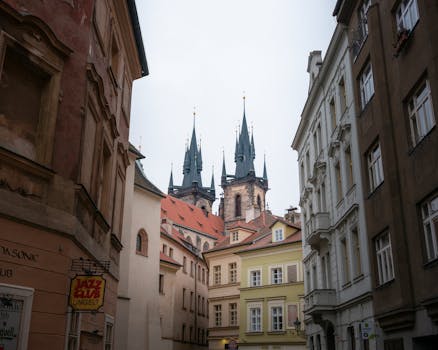
Works with original medieval documents like charters, wills, and manorial records, preserving them and making them accessible for research. This involves cataloguing, conservation, and helping researchers navigate ancient scripts and languages like Latin.
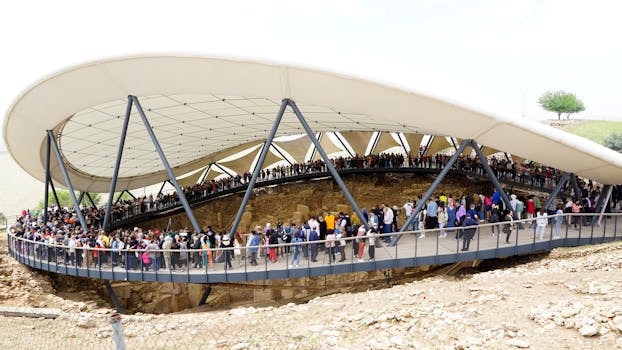
Specialises in the medieval collections of a museum, researching and interpreting artefacts, designing exhibitions, and educating the public. This role combines academic knowledge with public engagement and collection management.
Enrol in a Bachelor's degree programme that provides a strong grounding in subjects relevant to medieval studies.
Consider degrees such as History, English Literature, Archaeology, Classics, or a joint honours programme that allows you to combine these interests. Look for universities with strong departments in medieval history, literature, or archaeology. Actively engage with modules focused on the medieval period, participate in seminars, and aim for a strong academic performance, as this will be crucial for postgraduate applications.
Begin learning languages essential for accessing primary medieval sources.
Latin is often considered the bedrock of medieval studies, as many crucial texts were written in it. Consider taking Latin modules during your undergraduate degree or self-study. Depending on your specific interest (e.g., Anglo-Saxon England, Norman France), Old English, Old French, or other medieval European languages will also be highly beneficial. Proficiency in modern academic languages like German or French can also aid in accessing secondary scholarship.
Immerse yourself in the academic and enthusiast community surrounding medieval studies.
Join university medieval societies, attend public lectures, workshops, and conferences focused on the Middle Ages. Explore resources like the British Library, university special collections, and online academic databases. Reading widely beyond your curriculum, including both primary sources in translation and cutting-edge secondary research, will deepen your understanding and demonstrate your commitment.
Undertake a specialised postgraduate programme to deepen your knowledge and refine research skills.
A Master's degree in Medieval Studies, Medieval History, or a related field is typically essential. This will allow you to focus on a particular period, region, or theme within the Middle Ages. You'll engage in advanced seminars, critical analysis, and complete a substantial dissertation, which is a key opportunity to develop original research and demonstrate your academic potential for doctoral study.
Actively seek out opportunities to participate in research projects or present your work.
During your MA, volunteer to assist professors with their research, if possible, or apply for research internships. Present your dissertation findings at student conferences or departmental colloquia. Publishing a short article in a student-run journal or contributing to a collaborative project can also demonstrate your research capabilities and make your PhD application stronger.
Build connections with established scholars in the field of medieval studies.
Attend academic conferences, workshops, and departmental events. Introduce yourself to speakers and professors whose work interests you. These connections can lead to mentorship, advice on PhD applications, and potential future collaborations. A strong network can also provide insight into current research trends and job opportunities within academia.
Embark on a Doctor of Philosophy programme to conduct extensive original research and produce a thesis.
This is the primary pathway to becoming a university lecturer or full-time researcher. You'll spend 3-4 years researching a highly specialised topic under the supervision of an expert. The PhD culminates in a substantial thesis that makes an original contribution to the field. Funding is competitive, so apply for scholarships and grants from research councils or university studentships.
Disseminate your research findings through academic publications and conference presentations.
During and after your PhD, publishing articles in peer-reviewed journals and presenting at national and international conferences are crucial for establishing your reputation as a scholar. Aim to turn chapters of your thesis into articles or begin work on a monograph (a book-length study). This demonstrates your ability to contribute to the academic discourse.
Apply for postdoctoral fellowships and entry-level academic teaching positions.
After your PhD, gaining a postdoctoral research position or a teaching-focused role as an associate lecturer or teaching fellow is often the next step. These positions allow you to continue your research, develop your teaching portfolio, and gain valuable experience in a university setting, paving the way for more permanent lectureship roles which are highly competitive.
General historians research, analyse, and interpret past events across various periods, often specialising in a particular era or geographical region. They work in academia, museums, archives, or as consultants.
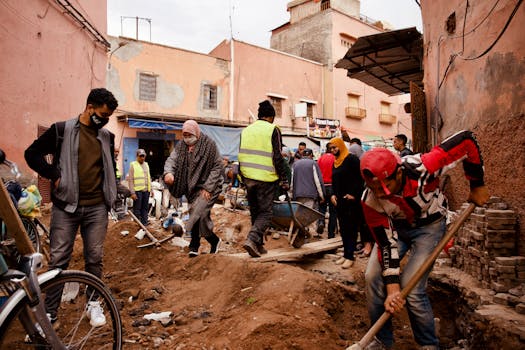
Archaeologists study human history and prehistory through the excavation of sites and the analysis of artefacts and other physical remains. Many specialise in medieval archaeology, uncovering and interpreting evidence from the period.

Archivists are responsible for appraising, collecting, preserving, and providing access to records of enduring value. Medievalists often work closely with archivists to access historical documents and sometimes transition into archival roles themselves, especially if they have palaeography skills.
Explore relevant apprenticeships that can help you kickstart your career in Medievalist. Apprenticeships offer hands-on experience and training while earning a wage.
Explore other careers or use our AI to discover personalised paths based on your interests.
Address
Developing Experts Limited
Exchange Street Buildings
35-37 Exchange Street
Norwich
NR2 1DP
UK
Phone
01603 273515
Email
[email protected]
Copyright 2026 Developing Experts, All rights reserved.

Unlock expert-designed lessons, resources, and assessments tailored for educators. No credit card required.
Claim Your Free Trial →We use cookies to enhance your browsing experience and analyze our traffic. Learn more.

