Imagine being a detective, but instead of solving modern mysteries, you solve puzzles from hundreds and hundreds of years ago! Thats what a Medievalist does. Medieval means 'middle ages', a very long time ago, between about the year 500 and 1500. Medievalists study everything about this time: the knights, the castles, the kings and queens, what people ate, what they wore, and even the funny stories they told each other. They read old books, look at ancient objects, and visit historical places to learn all they can. They then share what they learn by writing books, teaching students at universities, or helping museums tell stories about the past. Being a Medievalist means you love history and are very curious. You might spend your days reading really old maps, studying handwriting from a thousand years ago, or even looking at old pieces of pottery. It's like travelling back in time without a time machine! You need to be good at reading and writing, and also at thinking carefully about clues from the past to understand how people lived so long ago. It's a job for people who love stories and want to keep old tales alive.

For university researchers or lecturers in the UK, starting salaries can be around 28,000 to 35,000 pounds per year, depending on experience and the institution. Senior Medievalists can earn much more.
Being a Medievalist is a very specialist job, so there arent thousands of positions. Many work in universities or museums, which are competitive fields. There are usually only a few hundred active academic medievalists in the UK at any one time.
Medievalists often work around 37 to 40 hours a week, but this can change a lot depending on if they are teaching, doing research, or writing books. Sometimes they might even travel to old castles or libraries to find out more!
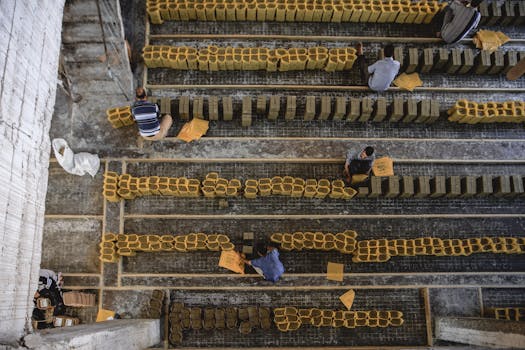
Imagine designing and helping to build amazing castles, just like they did in medieval times! You'd learn about the strong walls, tall towers, and where the drawbridge goes.

You could learn all about what knights did, how they trained, and the stories of their bravery. Maybe you'd practice your 'jousting' with pretend horses!

In medieval times, storytellers would entertain kings, queens, and their courts. You could learn to tell exciting tales about dragons, princesses, and brave heroes from long ago.
Start by reading lots of books about knights, princesses, castles, and dragons! History is like a giant storybook, and the more you read, the more you learn about the amazing Middle Ages.
At primary school, pay extra attention during history lessons, especially if you learn about Vikings, Normans, or Tudors – they're all part of the medieval period! You can also visit your local library and ask a grown-up to help you find non-fiction books about medieval times, or look for historical fiction stories set in that era.
Ask your grown-ups to take you to visit real castles, old churches, or museums! These places are like time machines, showing you what life was like long, long ago.
Many places in the UK, like Warwick Castle, Dover Castle, or even local cathedrals, have amazing medieval history. When you visit, try to imagine people living there centuries ago. Look at the old stones, the armour, and the artwork. Ask questions about who lived there and what they did.
Medieval people made things by hand! Try drawing pictures of medieval art, building a model castle, or even learning about calligraphy (fancy old writing).
You could try drawing medieval shields with heraldry, designing your own coat of arms, or even trying a simple craft like making 'stained glass' windows from coloured paper. Learning how things were made helps you understand the skills and daily life of people in the Middle Ages.
At school, try your best in history! Listen carefully to your teachers and ask lots of questions about kings, queens, and battles. The more you learn now, the easier it will be later.
In secondary school, you'll have more dedicated history lessons. Make sure to choose history as one of your subjects if you can, as it will teach you important skills like analysing sources and understanding different time periods. Pay attention to essays and research projects, as these are great practice for being a Medievalist.
Keep reading all sorts of history books! You could even try reading famous old stories like 'King Arthur' and learn about the real history behind them.
Expand your reading beyond just stories. Look for books that explain different aspects of medieval life, like what people ate, what clothes they wore, or how they built castles. Understanding daily life is just as important as knowing about famous historical figures.
If your school has a history club, join it! It's a great way to meet other people who love history just as much as you do.
A history club might organise trips to historical sites, or bring in guest speakers, or even do fun projects like reenactments or debates about historical events. It's a chance to share your passion and learn from others in a fun, informal way.
When you're older, you can go to a university to study history, maybe even focusing on the Middle Ages. This is where you become a real expert!
At university, you can choose to study a degree in history, medieval studies, archaeology, or a related subject. You'll learn from professors who are experts in the field and get to read ancient texts, look at old maps, and learn how to do proper historical research.
You might get to visit old places in other countries, or even learn old languages to read ancient books that no one else can understand.
Medievalists often learn languages like Latin, Old English, or French to read original documents and texts from the Middle Ages. This allows them to uncover new information that hasn't been studied before. They might also travel to archives and libraries around the world to find unique historical sources.
As a Medievalist, you could write books, teach at a university, or work in a museum, sharing all your amazing discoveries with the world!
Medievalists often work as university lecturers, researchers, museum curators, or archivists. They might write academic articles or books, give talks, or help create exhibitions to educate the public about the Middle Ages. Some even work as consultants for historical films or TV shows!
Like a Medievalist, a Historian studies the past, but they might study any time period, not just the Middle Ages. They look at old records and objects to understand how the world has changed.
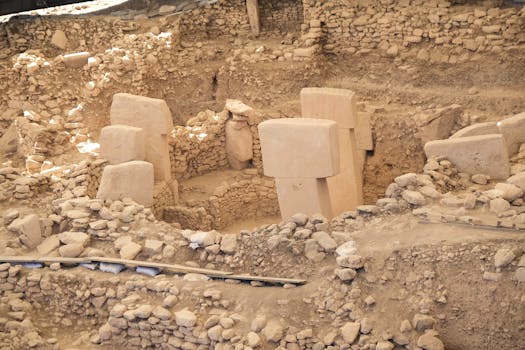
An Archaeologist digs up objects from the past to learn about how people lived. They often find clues hidden underground, like old tools, pottery, or even parts of ancient buildings.
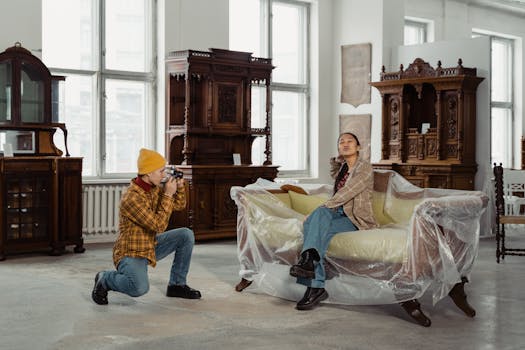
A Museum Curator helps look after all the special things in a museum. They research the objects, decide how to display them, and tell visitors their stories, just like a Medievalist might with old medieval treasures.
Explore relevant apprenticeships that can help you kickstart your career in Medievalist. Apprenticeships offer hands-on experience and training while earning a wage.
Explore other careers or use our AI to discover personalised paths based on your interests.
Address
Developing Experts Limited
Exchange Street Buildings
35-37 Exchange Street
Norwich
NR2 1DP
UK
Phone
01603 273515
Email
[email protected]
Copyright 2026 Developing Experts, All rights reserved.

Unlock expert-designed lessons, resources, and assessments tailored for educators. No credit card required.
Claim Your Free Trial →We use cookies to enhance your browsing experience and analyze our traffic. Learn more.

