A medievalist is a fascinating career for someone who loves history and enjoys diving deep into the past, specifically the Middle Ages. This period generally spans from the 5th century to the 15th century, so that's a whole thousand years to explore! As a medievalist in the UK, your main job often involves research and teaching at a university. You might spend your days studying old manuscripts in Latin or Old English, examining ancient buildings, or analysing artefacts to understand how people lived, thought, and organised their societies hundreds of years ago. You will write books and articles, present your findings at conferences, and inspire university students with your knowledge of knights, castles, kings, queens, and the everyday lives of medieval people. It is a job that requires a lot of reading, critical thinking, and patience, as you often work with incomplete information or difficult-to-read sources. You might specialise in a particular area, like medieval art, warfare, religion, or even specific regions like Anglo-Saxon England or Norman France. Many medievalists also spend time in archives and libraries, both in the UK and abroad, to uncover new information. It is a rewarding career if you have a real passion for history and want to contribute to our understanding of this crucial period that shaped so much of modern Britain and Europe.

For early career researchers or lecturers in history, salaries often start from around 35,000 GBP to 45,000 GBP per year, depending on the institution and specific role. Senior roles can reach 60,000 GBP or more.
There are over 100 university departments in the UK that offer history degrees, many of which will have specialists in medieval history. However, permanent, dedicated medievalist positions are highly competitive and fewer in number.
To become a medievalist, you will almost certainly need to complete a PhD (Doctor of Philosophy), which typically takes 3-4 years full-time after a Masters degree, adding several years to your academic journey after your undergraduate degree.
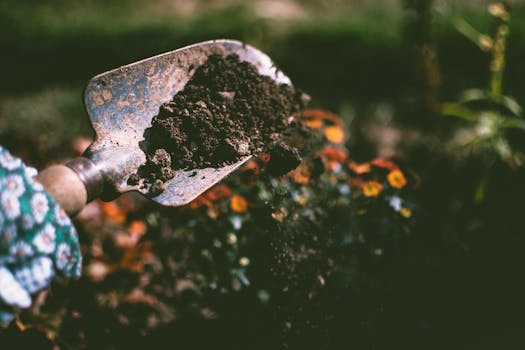
Imagine digging up old castles or finding ancient Roman coins right here in the UK. Archaeologists carefully uncover and study objects and buildings from the past to understand what life was like hundreds or thousands of years ago. You could learn about how people lived, what they ate, and what tools they used in medieval times!

If you love old things and enjoy telling stories about them, a Museum Curator might be a super cool job for you. Curators look after all the amazing artefacts and documents in a museum, decide how to display them so everyone can see, and help visitors learn about history, including the medieval period. You could be arranging an exhibition about knights and castles!

A Historian is like a detective for the past! They read old books, letters, and documents, sometimes even very old ones from the medieval period, to piece together what happened and why. They might write books or articles, teach at a university, or even help make historical TV shows or films accurate. You could become an expert on King Arthur or the Wars of the Roses!
Start by reading lots of books, both non-fiction and historical fiction, about the Middle Ages. Look for stories about knights, castles, kings and queens, and everyday life.
Visit your local library or a bookshop and ask for books on medieval history or historical fiction set in the Middle Ages. Don't be afraid to explore different aspects like Viking sagas, Norman conquests, or life in medieval villages. Documentaries and history channels can also be a great starting point to see how historians talk about this period.
Explore castles, cathedrals, and museums in the UK that have medieval collections. Seeing these places and objects in real life can be very exciting and inspiring.
Many places like Warwick Castle, Canterbury Cathedral, or the British Museum have amazing medieval exhibits. Look for local heritage sites near you too. Pay attention to how the buildings were constructed, what tools and objects were used, and imagine what life would have been like there centuries ago.
See if your school has a history club, or if there are local groups that reenact medieval life or study local history. This is a great way to meet people who share your interest.
Being part of a club or group can introduce you to new ideas and ways of thinking about history. You might get to participate in discussions, visit special events, or even try out some medieval crafts or activities. It's a fantastic opportunity to learn from others and share your own discoveries.
Focus on doing well in subjects like History, English, and perhaps even Latin or other languages, as these will be very useful for studying old texts.
A strong foundation in History will teach you how to research and analyse historical evidence. English skills are crucial for understanding and writing about complex topics, and for deciphering old texts. Learning a language like Latin, French, or German can be incredibly valuable later on, as many medieval documents are not in modern English.
When you get to college, choose subjects like History, Classical Civilisation, English Literature, or Ancient Languages. These will prepare you for a university degree.
Most universities will require strong A-levels (or equivalent qualifications like BTECs) to get onto a history or medieval studies degree. History and English Literature are usually top choices. Some students also consider subjects like Religious Studies or Philosophy if they are interested in those aspects of medieval life. Make sure to check university entry requirements for courses you might be interested in.
Study for a degree in History, Medieval Studies, Archaeology, or a related subject at university. This is where you'll really dive deep into the Middle Ages.
Look for universities that have strong history departments or even dedicated Medieval Studies programmes. A typical undergraduate degree (like a BA Hons) usually lasts three years. During this time, you'll learn how to conduct research, analyse sources, and write academic essays. You might even get to specialise in certain areas like Anglo-Saxon history, medieval art, or the Crusades.
To become a professional Medievalist, you'll likely need to complete a Master's degree (MA) and often a PhD. This is where you become an expert in a specific area.
A Master's degree is usually one or two years long and allows you to specialise further. A PhD is a longer research degree, typically 3-4 years, where you produce an original piece of research on a very specific topic. This level of study is essential for careers in academia (teaching and researching at universities) or high-level museum and heritage roles.
Develop skills like palaeography (reading old handwriting), codicology (studying old books), or archaeological techniques, depending on your area of interest.
These specialist skills are often taught at postgraduate level or through workshops and summer schools. Being able to read original medieval documents, understand how manuscripts were made, or correctly excavate and interpret medieval sites are vital for a career as a Medievalist. These skills open up many research and curatorial opportunities.
Medievalists can work as university lecturers, museum curators, archivists, heritage consultants, or even in publishing and media.
A common path is academia, where you teach university students and conduct your own research. Other options include working in museums to curate exhibitions, in archives to preserve and help people access old documents, or for heritage organisations like English Heritage. Your expertise could also be valuable in publishing, film, or TV as a historical consultant.
Similar to a medievalist, but a historian can specialise in any period of history, such as modern history, ancient history, or social history, often working in universities, museums, or for historical organisations.

An archivist manages and preserves historical documents and records, making them accessible for research. They often work with very old materials, including those from the medieval period, in libraries, universities, or local government.

Archaeologists study human history through the excavation and analysis of physical remains, such as buildings, artefacts, and landscapes. Many archaeologists specialise in medieval archaeology, uncovering sites like castles, monasteries, and medieval towns in the UK.
Explore relevant apprenticeships that can help you kickstart your career in Medievalist. Apprenticeships offer hands-on experience and training while earning a wage.
Explore other careers or use our AI to discover personalised paths based on your interests.
Address
Developing Experts Limited
Exchange Street Buildings
35-37 Exchange Street
Norwich
NR2 1DP
UK
Phone
01603 273515
Email
[email protected]
Copyright 2026 Developing Experts, All rights reserved.

Unlock expert-designed lessons, resources, and assessments tailored for educators. No credit card required.
Claim Your Free Trial →We use cookies to enhance your browsing experience and analyze our traffic. Learn more.

