


Creating Career Path...

Finding Further Careers...

MRI Radiographer

View this career for different education levels:

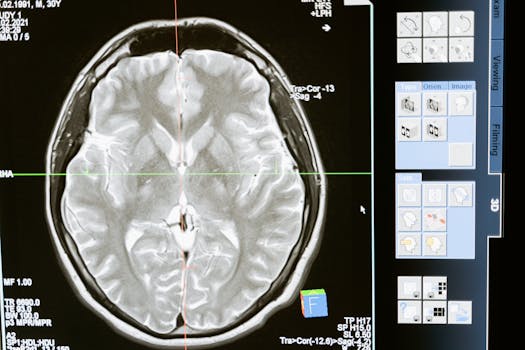
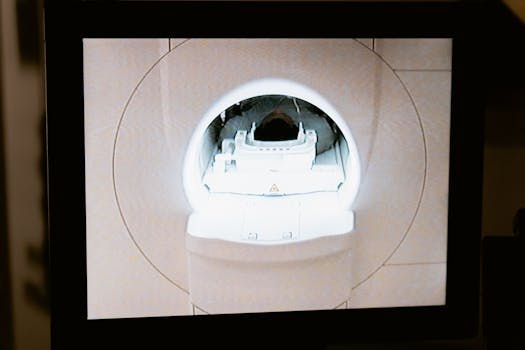
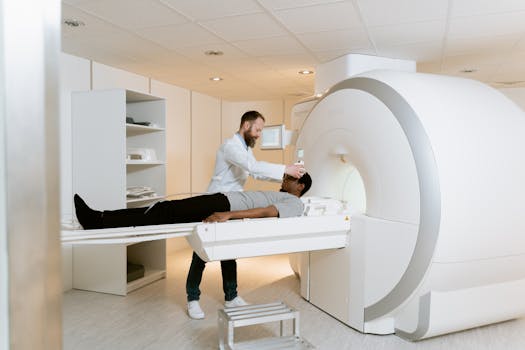
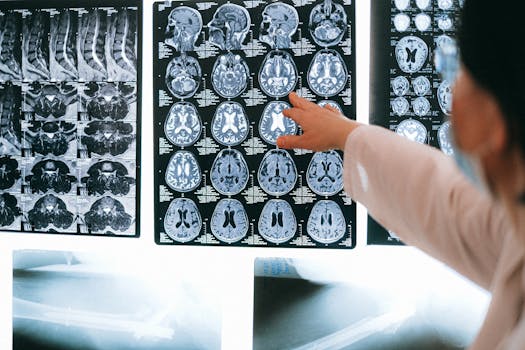
As an MRI Radiographer in the UK, you play a vital role in healthcare by operating Magnetic Resonance Imaging (MRI) scanners to produce detailed images of the inside of the body. These images are crucial for diagnosing a wide range of medical conditions, from neurological disorders to orthopaedic injuries and cancers. Your responsibilities include preparing patients for scans, which involves explaining the procedure, checking for contraindications (like metallic implants), and ensuring their comfort and safety throughout the process. You'll set up and operate the complex MRI equipment, adjust parameters to get the best possible image quality, and process the resulting scans for analysis by radiologists. It's a role that demands a blend of technical expertise, attention to detail, and excellent communication skills, as you'll be working closely with patients who may be anxious or unwell. The job involves continuous learning to keep up with technological advancements and clinical protocols. You'll collaborate with a multidisciplinary team, including doctors, nurses, and other healthcare professionals, to ensure a seamless patient journey and accurate diagnoses. Working hours can vary, often including shifts, weekends, and on-call duties, especially in hospital environments. While it's a physically demanding role due to standing and assisting patients, it's also incredibly rewarding, knowing that your work directly contributes to patient care and successful treatment outcomes.

MRI Radiographer

Flag Media

Please select a reason for flagging this content.

📊 Statistics

Typical Starting Salary

For newly qualified MRI Radiographers in the NHS, starting salaries usually fall within Band 5, which is currently around £28,407 to £34,581 per year.

Experienced Salary Range

With experience, an MRI Radiographer can progress to Band 6 or 7, earning approximately £35,392 to £50,963 annually, with senior or specialist roles reaching higher.

Job Market Outlook (UK)

The demand for diagnostic radiographers, including MRI specialists, remains consistently strong across the UK, driven by an ageing population and advancements in medical imaging technology. There are generally good opportunities for employment within both the NHS and private healthcare sectors.

🚀 Careers in this path

Flag Media

Please select a reason for flagging this content.

MRI Clinical Scientist

This role involves more advanced responsibilities than a Radiographer, focusing on the scientific and technical aspects of MRI. You'd be involved in optimising imaging protocols, developing new MRI techniques, troubleshooting equipment, and conducting research. It requires a deeper understanding of physics and medical imaging science.

Flag Media

Please select a reason for flagging this content.

MRI Applications Specialist

Working for an MRI equipment manufacturer, an Applications Specialist provides training and support to hospitals and clinics on how to best use their MRI scanners. This involves a blend of technical expertise, teaching skills, and customer service. You'd travel to different sites, helping radiographers get the most out of their machines.

Flag Media

Please select a reason for flagging this content.

Radiographer specialising in Cardiac MRI

While still a Radiographer, this specialisation allows you to focus your expertise on a specific and complex area of MRI. Cardiac MRI requires particular skill and knowledge to capture high-quality images of the heart, often for diagnosing conditions like heart disease or congenital abnormalities. It's a highly skilled niche within general MRI.

Educational Foundations

Achieve Relevant A-Levels or Equivalent

To gain entry into a radiography degree programme, you will typically need strong academic qualifications at A-level or equivalent vocational qualifications.

Most universities in the UK require A-levels in at least two science subjects, usually Physics, Biology, Chemistry, or Maths, along with another academic subject. Equivalent qualifications such as a BTEC Level 3 Extended Diploma in Applied Science or Health and Social Care are also often accepted. Aim for grades typically between BBC and AAB, depending on the university and course competitiveness. It is beneficial to research specific university entry requirements well in advance to ensure your chosen subjects align.

Complete an Approved Radiography Degree

The essential pathway to becoming a qualified radiographer is completing a BSc (Hons) in Diagnostic Radiography from a university approved by the Health and Care Professions Council (HCPC).

These degree programmes are usually three years full-time and combine academic study with extensive clinical placements. During your degree, you will learn about human anatomy, physiology, physics of radiography, imaging techniques (including MRI, X-ray, CT, ultrasound), radiation protection, and patient care. Clinical placements are a fundamental part of the course, providing hands-on experience in various hospital departments, working directly with patients and experienced radiographers. Some universities also offer integrated Master's programmes or postgraduate routes for graduates with a relevant first degree.

Gain Clinical Placement Experience

Practical experience gained through clinical placements during your degree is vital for developing the necessary skills and understanding of a radiographer's role.

Throughout your diagnostic radiography degree, you will undertake numerous clinical placements in NHS hospitals and potentially private clinics. These placements allow you to apply theoretical knowledge in real-world settings, develop patient communication skills, operate imaging equipment under supervision, and understand departmental workflows. Pay close attention to MRI departments during these placements to gain early exposure to the technology and workflow specific to MRI scanning, which will be invaluable for specialising later.

Professional Registration & Initial Practice

Register with the HCPC

Upon successful completion of your degree, you must register with the Health and Care Professions Council (HCPC) to legally practice as a radiographer in the UK.

The HCPC is the regulatory body for a wide range of healthcare professions in the UK, including diagnostic radiographers. Registration ensures that you meet their standards of proficiency, conduct, performance, and ethics. You will need to apply for registration once you have graduated, providing evidence of your qualification. It is illegal to practice as a diagnostic radiographer in the UK without current HCPC registration. Renewing your registration involves demonstrating ongoing continuing professional development (CPD).

Secure a Band 5 Radiographer Position

Your first step into professional practice will typically be securing a Band 5 Diagnostic Radiographer role within an NHS trust or private healthcare provider.

As a newly qualified radiographer, you'll work across various imaging modalities, including general X-ray, CT, and potentially basic MRI or fluoroscopy. This initial role is crucial for consolidating your skills, gaining broad experience, and developing your clinical confidence. It's an opportunity to learn from experienced colleagues, rotate through different hospital departments, and participate in ongoing training programmes provided by your employer. Aim to gain a solid foundation in general diagnostic imaging before seeking specialisation.

Undertake Post-Qualification MRI Training

To specialise in MRI, you'll need to seek opportunities for specific MRI training and development once you've gained initial experience as a general diagnostic radiographer.

Many hospitals offer in-house training programmes for radiographers looking to specialise in MRI. This often involves working alongside experienced MRI radiographers, undertaking structured competency assessments, and potentially completing postgraduate modules or courses in MRI. Some radiographers might pursue a Postgraduate Certificate or Diploma in MRI from a university, which provides a more formal and in-depth academic understanding alongside practical training. Look for Band 6 (Specialist Radiographer) positions specifically advertised for MRI, or express your interest in MRI to your current manager and seek internal training opportunities.

Specialisation & Advancement

Specialise as an MRI Radiographer

With sufficient experience and specialised training, you can officially transition into a dedicated MRI Radiographer role.

As an MRI Radiographer, you will be responsible for setting up and operating MRI scanners, positioning patients, ensuring patient safety in the high magnetic field environment, and acquiring high-quality diagnostic images. You'll need to understand various MRI sequences, protocols for different body parts and pathologies, and be proficient in patient care, including managing claustrophobia and sedation if required. This specialisation often means working more focused shifts within the MRI department, becoming an expert in a complex and evolving imaging modality. Continuing professional development is key to staying current with technological advancements and new scanning techniques.

Pursue Advanced Practice Roles

Experienced MRI Radiographers can advance their careers into more senior and specialist roles, often involving advanced clinical practice, management, or education.

Examples include Advanced Practitioner Radiographer, Reporting Radiographer (where you interpret images and write diagnostic reports), or Consultant Radiographer. These roles typically require further postgraduate qualifications, such as a Master's degree in Advanced Clinical Practice or Image Reporting. They involve greater responsibility, clinical autonomy, and often leadership duties, such as supervising junior staff, contributing to service development, or leading research projects. You might also move into a management position, overseeing a team of radiographers or managing an imaging department.

Engage in Continuous Professional Development (CPD)

Lifelong learning and continuous professional development are essential for all healthcare professionals, particularly in a rapidly evolving field like MRI.

CPD for an MRI Radiographer can include attending workshops, conferences, seminars, and completing online modules related to new MRI techniques, safety protocols, and advancements in diagnostic imaging. Staying updated with the latest research and guidelines ensures you provide the best possible patient care and remain at the forefront of the profession. Documenting your CPD is also a requirement for maintaining your HCPC registration. You might also consider becoming a mentor for student radiographers or contributing to professional bodies like the Society of Radiographers.

🎯 View Apprenticeships

Explore relevant apprenticeships that can help you kickstart your career in MRI Radiographer. Apprenticeships offer hands-on experience and training while earning a wage.

Career Progressions

This page showcases various career options and the pathways to reach them. Each career listed here shares transferable skills and knowledge, making it easier for individuals to transition between them.

Your current career is highlighted to help you see how it fits into the broader landscape of potential career choices. By clicking on any career, you can learn more about it, including the training and education required to pursue it.

Remember, progressing in your career often involves further learning and training. This page provides insights into future career options as well as those that can lead up to your current one.

These career progression decisions are informed by comparing the skills and knowledge needed for different occupations, along with data on how people move between them. Explore the possibilities and discover the exciting journey ahead in your career!

Sample Qualifications

An MRI Radiographer is a specialist radiographer trained to operate Magnetic Resonance Imaging scanners. This role falls directly under the general 'Radiographer' classification, which encompasses various imaging modalities.

How to become

You can get into this job through:

  • a university course
  • an apprenticeship
  • working towards this role

University

You'll need to do a degree or postgraduate qualification approved by the Health and Care Professions Council to become a radiographer.

Your choice of degree course will depend on whether you want to work in diagnostic or therapeutic radiography.

You may be able to take a fast-track postgraduate qualification over 2 years if you're a health professional or have a relevant degree.

Extra student financial support may be available through the NHS Learning Support Fund.

You can also train as a radiographer in the armed forces. Find out more at:

Entry requirements

You'll usually need:

  • 4 or 5 GCSEs at grades 9 to 4 (A* to C), or equivalent, including English, maths and science
  • 3 A levels, or equivalent, including at least 1 science
  • a degree in a relevant subject for postgraduate study

More Information

Apprenticeship

You may be able to do a Diagnostic or Therapeutic Radiographer Level 6 Degree Apprenticeship.

This takes a minimum of 36 months and is a mix of learning in the workplace and academic study at an approved university.

Entry requirements

You'll usually need:

  • 4 or 5 GCSEs at grades 9 to 4 (A* to C) and A levels, or equivalent, for a higher or degree apprenticeship

More Information

Work

You can start as a radiography assistant and work your way up to assistant practitioner. With the support of your employer you may then be able to work and study part-time for a radiography degree and professional qualification.

Volunteering

Volunteering in a hospital may give you the chance to speak with radiography staff to help you decide whether you want to train as a diagnostic or therapeutic radiographer.

More Information

Registration

Career tips

You'll be expected to show an understanding of the NHS values when applying for jobs and training.

Further information

You can find out more about a career in radiography from Health Careers and The College of Radiographers.

Interested in More Career Paths?

Explore other careers or use our AI to discover personalised paths based on your interests.

Stay connected

Join our newsletter to stay up to date on features and releases

Address
Developing Experts Limited
Exchange Street Buildings
35-37 Exchange Street
Norwich
NR2 1DP
UK

Phone
01603 273515

Email
[email protected]

Copyright 2025 Developing Experts, All rights reserved.
