An Egyptologist is a specialist who studies the history, language, literature, religion, art, and archaeology of ancient Egypt, from prehistoric times to the end of the Roman period. This demanding and fascinating field typically involves extensive academic research, often culminating in a PhD. Responsibilities can include deciphering ancient texts (hieroglyphs, hieratic, demotic), analysing archaeological finds such as artefacts, monuments, and tomb discoveries, and contributing to scholarly publications. Many Egyptologists spend time in the field, participating in archaeological excavations in Egypt, which requires meticulous record-keeping, survey work, and understanding of site conservation. Beyond fieldwork, much of their work takes place in university departments, museums, and research institutes, where they lecture, teach students, curate collections, and conduct independent research. To become an Egyptologist in the UK, a strong academic background is essential, usually starting with an undergraduate degree in Egyptology, Archaeology, Ancient History, or Classics, followed by postgraduate studies (MA and PhD) specifically focused on Egyptology. Proficiency in ancient Egyptian languages is crucial, and often knowledge of modern languages like German or French is beneficial for accessing scholarly literature. The career path is highly competitive and often involves securing grants and funding for research projects and fieldwork. It is a career driven by a deep passion for ancient civilisations and a commitment to rigorous academic inquiry and discovery.
For early career researchers or museum assistants in related fields, starting salaries can range from 20,000 to 25,000 GBP per year, often on fixed-term contracts.
Experienced Egyptologists in academic or curatorial roles might earn between 35,000 and 50,000 GBP annually. Senior academic positions (e.g., Professor) can exceed 60,000 GBP, but these are highly competitive.
The number of dedicated Egyptologist positions in the UK is very small. Most roles are within universities, museums, or research institutions, and competition is extremely fierce due to the highly specialised nature of the field and limited funding.
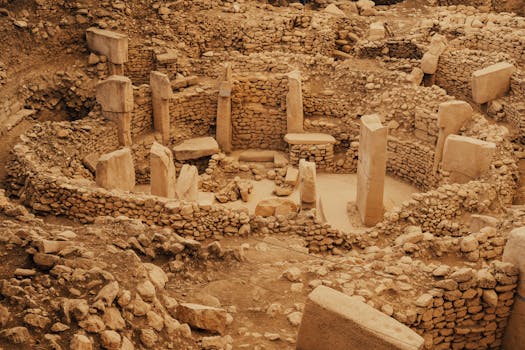
Work on digs and excavations, assisting senior archaeologists in the recovery and documentation of artefacts and sites. This role provides practical experience in fieldwork, surveying, and recording, which is foundational for an Egyptologist.

Help to manage, catalogue, and preserve ancient Egyptian artefacts within museum collections. This role offers hands-on experience with objects, conservation principles, and collection management systems, often involving research into specific items.
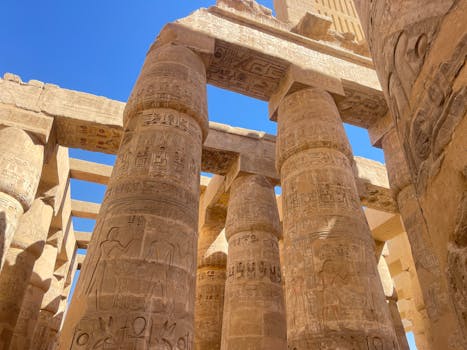
Focus on specific periods, aspects, or areas of ancient Egyptian history, culture, or language, often within a university department. This path involves extensive reading, analysis of primary sources, and writing, laying the groundwork for more specialised Egyptological study or teaching.
Focus on humanities subjects that develop critical thinking, research skills, and an understanding of history and cultures.
For an aspiring Egyptologist, good A-Level grades are crucial for university admission. Consider subjects like History, Classical Civilisation, Latin, Ancient Greek, Religious Studies, or English Literature. These subjects will provide a strong foundation in essay writing, historical analysis, and an introduction to ancient cultures, all of which are invaluable for a degree in Egyptology or a related field. Aim for top grades as university courses in this specialist area can be competitive.
Enrol in a Bachelor's degree in Egyptology, Archaeology, Ancient History, or a related discipline at a reputable university.
Many universities in the UK offer dedicated Egyptology programmes, or you can opt for Archaeology, Ancient History, or Classics with a strong emphasis on the ancient Near East. Key institutions include the University of Oxford, University of Cambridge, University College London (UCL), and the University of Liverpool. During your degree, take modules that focus on ancient Egyptian language (hieroglyphs), history, art, and archaeology. Active participation in seminars and lectures, along with independent research, will be vital for your academic growth.
Begin learning ancient Egyptian hieroglyphs and potentially modern languages relevant to archaeological research.
Proficiency in ancient Egyptian hieroglyphs is fundamental for an Egyptologist, as it allows direct access to primary sources. Many university programmes will include this. Beyond hieroglyphs, consider learning a modern language such as German or French, as much academic research and publications in Egyptology are published in these languages. Developing these linguistic skills early on will significantly broaden your research capabilities and career prospects.
Participate in archaeological digs and field schools, ideally in Egypt or related ancient Near Eastern sites.
Practical experience on an archaeological excavation is indispensable. Look for opportunities to volunteer or participate in field schools. While fieldwork in Egypt is the ultimate goal, starting with digs in the UK or other European sites can provide valuable experience in archaeological methodologies, surveying, excavation techniques, and artefact handling. This hands-on experience is often a prerequisite for more senior field roles and will help you understand the realities of archaeological work.
Specialise in a particular area of Egyptology through a postgraduate Master's (MA) degree.
A Master's degree is highly recommended, often essential, for a career in Egyptology. This allows you to delve deeper into a specific period (e.g., New Kingdom), aspect (e.g., funerary archaeology, art history), or discipline (e.g., Coptic studies) within Egyptology. It also hones your research skills and allows you to build a network with leading academics in the field. Your Master's thesis will be a significant piece of original research, demonstrating your expertise and potential for doctoral study.
Connect with professionals in the field and stay updated on current research by attending conferences and seminars.
Building a professional network is crucial. Attend national and international Egyptology conferences, workshops, and lectures. Organisations like the Egypt Exploration Society (EES) in the UK are excellent resources for events and opportunities. Networking can lead to mentorship, collaborative projects, and awareness of job opportunities. Presenting your research at these events, even a poster presentation, is an excellent way to gain recognition and feedback.
Pursue a doctoral (PhD) degree, conducting original research that contributes new knowledge to the field of Egyptology.
A PhD is almost always a requirement for academic and curatorial positions in Egyptology. This involves several years of intensive, independent research, culminating in a dissertation that makes an original contribution to the field. During your PhD, you'll further refine your specialisation, publish articles in academic journals, and present at international conferences, solidifying your reputation as an expert. Securing funding for a PhD can be competitive, so start researching scholarships and grants early.
Apply for postdoctoral research positions, museum curatorial roles, or academic lectureships.
Upon completing your PhD, you'll typically look for postdoctoral research fellowships, which allow you to continue your research and build your publication record. Alternatively, you might pursue roles in museums as curators or collections managers, applying your expertise to exhibitions, conservation, and public engagement. Academic lectureships or teaching positions at universities are also common career paths, balancing research with teaching duties. These roles are highly competitive, requiring a strong publication record and demonstrable experience.
Maintain an active research profile, publishing scholarly articles and books, and participating in ongoing archaeological projects.
An Egyptologist's career is built on continuous research and dissemination of knowledge. Regularly publishing in peer-reviewed journals, contributing to edited volumes, and potentially authoring monographs are essential for career progression and maintaining credibility in the academic community. Staying involved in fieldwork, either as a director, co-director, or key team member, is also crucial for many Egyptologists, providing opportunities for new discoveries and data collection for future research.
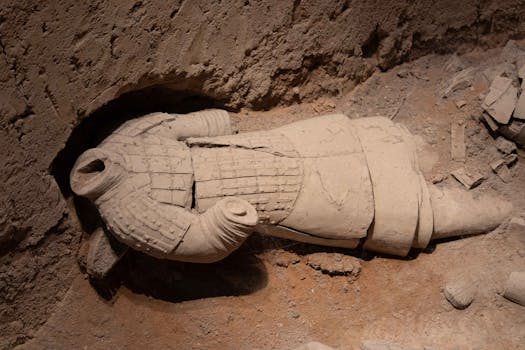
Studies human history and prehistory through the excavation of sites and the analysis of artefacts and other physical remains. Many archaeologists specialise in particular regions or periods.

Responsible for managing and interpreting museum collections, often specialising in a particular subject area like ancient civilisations. This role involves research, exhibition development, and conservation oversight.
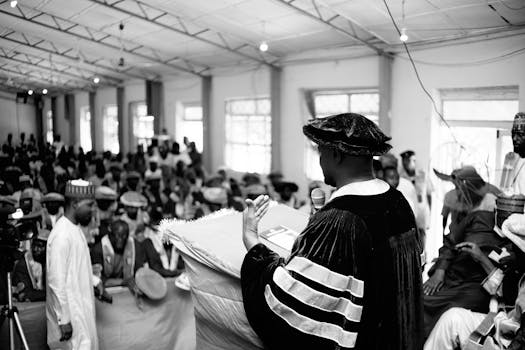
Conducts in-depth research in a specific academic field, publishes findings, and teaches students at university level. This often involves supervising dissertations and contributing to departmental life.
Explore relevant apprenticeships that can help you kickstart your career in Egyptologist. Apprenticeships offer hands-on experience and training while earning a wage.
Explore other careers or use our AI to discover personalised paths based on your interests.
Address
Developing Experts Limited
Exchange Street Buildings
35-37 Exchange Street
Norwich
NR2 1DP
UK
Phone
01603 273515
Email
[email protected]
Copyright 2026 Developing Experts, All rights reserved.

Unlock expert-designed lessons, resources, and assessments tailored for educators. No credit card required.
Claim Your Free Trial →We use cookies to enhance your browsing experience and analyze our traffic. Learn more.

