Imagine being a real-life detective of the past, but instead of solving modern mysteries, you are discovering secrets from ancient Egypt That is what an Egyptologist does An Egyptologist is a super smart person who studies everything about ancient Egypt They learn about pharaohs like Tutankhamun, pyramids, mummies, hieroglyphs which are like their special ancient writing and how people lived thousands of years ago They might travel to Egypt to dig up old things called artefacts or work in museums in the UK to look after ancient treasures and teach people about them They read old texts and use clues to piece together the amazing story of one of the worlds oldest and most interesting civilisations. To become an Egyptologist you need to be very curious and love history You would go to university to study subjects like Ancient History Archaeology or Egyptology itself You would learn about different time periods how to read ancient languages and how to carefully dig up and preserve old objects It is a job that needs a lot of patience and attention to detail but it is also incredibly exciting because you are always learning new things and helping us understand more about the fascinating world of ancient Egypt right from the UK.
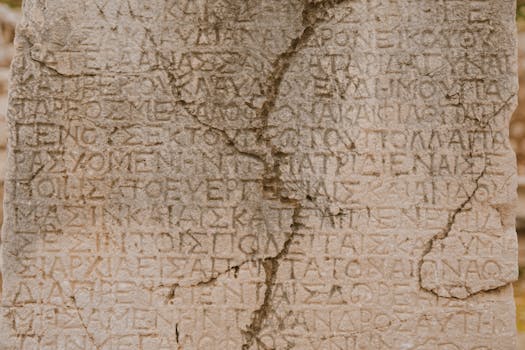
For new Egyptologists, especially those starting in museum or research assistant roles, the salary might be around 20,000 to 25,000 pounds a year. This can go up with more experience and specialisation.
Experienced Egyptologists in senior positions, like university professors or museum curators, can earn between 35,000 and 60,000 pounds a year, or even more for very senior roles.
Being an Egyptologist is quite special. There are not a huge number of jobs, maybe a few hundred across the UK, mostly in universities, museums, and sometimes for research projects. It's a very competitive field.
Imagine carefully unwrapping pretend mummies and learning all about the special bandages and charms used in ancient Egypt. You'd be a detective of ancient secrets!
You could design and build amazing pretend pyramids using building blocks or even sand! You'd need to be good at planning and making sure everything is strong.
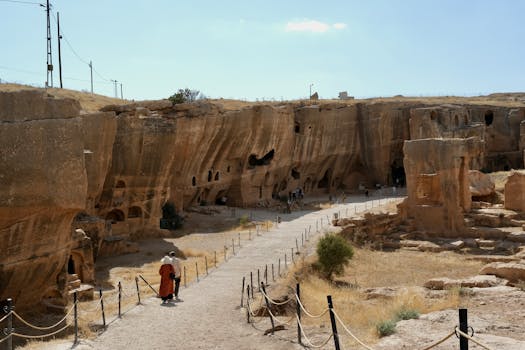
This is like being a secret code breaker for ancient Egyptian writing! You'd learn about all the different pictures and symbols and what they mean, helping us understand ancient stories.
Start by reading exciting books and watching documentaries about ancient Egypt. There are so many amazing stories about pharaohs, gods, and hidden tombs!
Look for books for kids about ancient Egypt at your local library or bookshop. Many museums also have special books and resources for young learners. You can also find fun videos online that show how the pyramids were built or what hieroglyphs mean.
Many big museums have a special section about ancient Egypt. Go and see real artefacts like sarcophagi, mummies, and ancient jewellery up close!
The British Museum in London has a fantastic Egyptian collection, one of the best in the world! Ask your parents if you can visit. Seeing these ancient objects in person can make history feel very real and exciting, helping you to imagine what it was like to live in ancient Egypt.
Hieroglyphs were the ancient Egyptian writing system, like their alphabet. Try to learn some simple symbols and what they mean!
You can find online games or children's books that teach you how to write your name in hieroglyphs. It's like solving a secret code! Understanding a little bit about their writing helps you understand how clever ancient Egyptians were and how they communicated their ideas and stories.
Pay close attention in your history lessons, especially if you learn about ancient civilisations. This will give you a good base for understanding ancient Egypt.
History lessons in primary and secondary school teach you how to think like a historian, how to look at evidence, and how to understand different cultures. These skills are very important for an Egyptologist. Even if you don't study Egypt directly at school, the skills you learn in history will be super helpful.
If your school or local community has a history or archaeology club, join it! You can learn with other kids who love history too.
These clubs often do fun activities like making models of ancient buildings, drawing historical maps, or even going on trips to historical sites or museums. It's a great way to meet friends who share your interest and learn even more outside of regular lessons.
Many important books and notes about ancient Egypt are written in other languages, like French or German. Learning a modern language can be very helpful later on.
While you won't be learning ancient Egyptian yet, knowing a modern European language can help you read research papers and books written by Egyptologists from different countries. It also helps your brain get good at learning new languages, which is useful when you eventually learn ancient Egyptian!
To become a real Egyptologist, you'll need to go to university to study subjects like Egyptology, Archaeology, or Ancient History.
This is where you'll learn all the really deep and detailed stuff about ancient Egypt, from expert professors. You'll study ancient Egyptian language (hieroglyphs!), art, religion, and daily life. You'll learn how to properly dig up ancient sites and how to carefully study the things you find.
After your first university degree, many Egyptologists do even more studying to become super experts, sometimes for many years!
This extra studying is called a Master's degree or a PhD. It's where you get to pick a very specific part of ancient Egypt that you love the most and become the world's best expert on it! This might involve spending time in Egypt or in museums, carefully looking at ancient objects.
Once you're older and have studied a lot, you might get to go on a real archaeological dig in Egypt or in a museum's storage facility!
Imagine helping to carefully uncover ancient artefacts from the sand, or gently cleaning and studying pieces of pottery that are thousands of years old. This is a very exciting part of being an Egyptologist, as you get to be part of discovering new things and helping us understand the past even better. It's like a treasure hunt, but for knowledge!
An archaeologist is like an Egyptologist but they study all sorts of ancient people and places not just Egypt They dig up old things to learn about how people lived long ago all over the world.
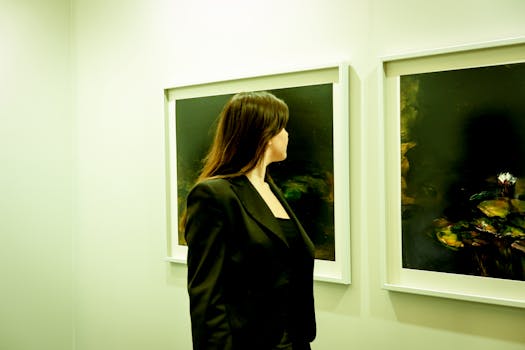
A museum curator looks after all the special old things in a museum They make sure the objects are safe and help decide how to show them to visitors so everyone can learn about history.
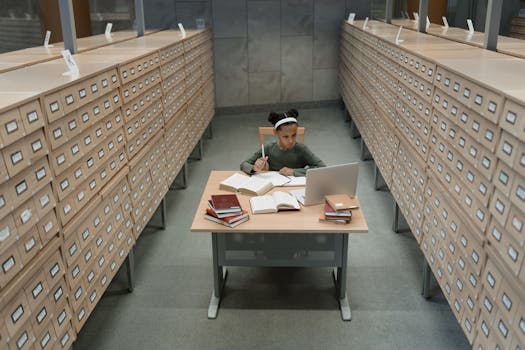
A historian studies the past too but they often use old books letters and documents to understand how things happened They might not dig things up but they are excellent at telling stories from history.
Explore relevant apprenticeships that can help you kickstart your career in Egyptologist. Apprenticeships offer hands-on experience and training while earning a wage.
Explore other careers or use our AI to discover personalised paths based on your interests.
Address
Developing Experts Limited
Exchange Street Buildings
35-37 Exchange Street
Norwich
NR2 1DP
UK
Phone
01603 273515
Email
[email protected]
Copyright 2026 Developing Experts, All rights reserved.

Unlock expert-designed lessons, resources, and assessments tailored for educators. No credit card required.
Claim Your Free Trial →We use cookies to enhance your browsing experience and analyze our traffic. Learn more.

