An Egyptologist is like a real-life detective who studies the amazing history, culture, and language of ancient Egypt. They spend their time researching everything from hieroglyphics (the ancient Egyptian writing system) and pyramids to mummies and the daily lives of people thousands of years ago. This job often involves reading old texts, studying ancient artifacts in museums, and sometimes even participating in archaeological digs in Egypt itself! They might work in universities, teaching students about ancient Egypt, or in museums, helping to look after and explain ancient Egyptian collections to visitors. Its a job for someone who loves history, solving puzzles, and has a keen eye for detail. To become an Egyptologist in the UK, you usually need to go to university to study subjects like Egyptology, Archaeology, Ancient History, or Classics. After your first degree, most Egyptologists continue their studies with a Masters degree and often a PhD, which involves many years of dedicated research. It is a very academic and research-focused career, where you are constantly learning and discovering new things about one of the worlds most fascinating ancient civilisations.
For entry-level roles in related fields like museum work or academic research support, a starting salary might be around 22,000 to 26,000 pounds per year in the UK.
With experience, a university lecturer or museum curator specialising in Egyptology could earn between 35,000 to 55,000 pounds annually. Senior roles or professorships can go higher, sometimes exceeding 60,000 pounds.
This is a highly specialised and competitive field in the UK, with only a small number of dedicated Egyptologist positions, often found in universities, museums, or research institutions. Many roles are project-based or require extensive postgraduate study.
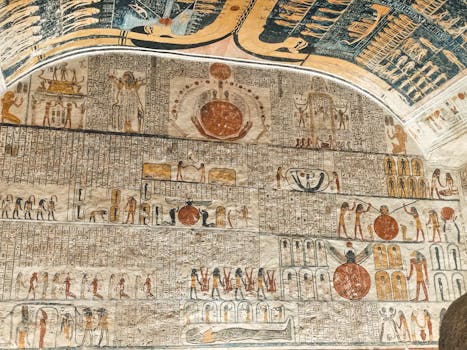
Imagine you're an Egyptologist who's found an amazing ancient treasure! As an Archaeological Illustrator, you would draw incredibly detailed pictures of these discoveries, like hieroglyphs or artefacts, so everyone can see exactly what they looked like when they were found. You'd use your artistic skills and knowledge of history to bring the past to life on paper.
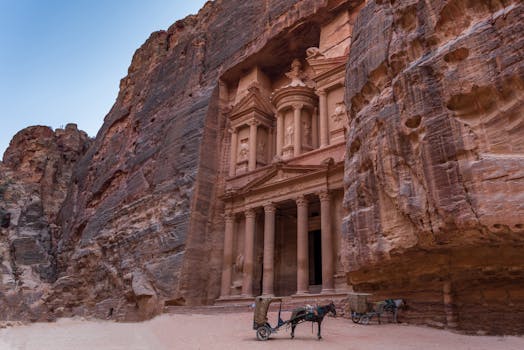
If you love learning about ancient Egypt, you might enjoy being a Museum Curator Assistant. You would help the main curator look after the ancient Egyptian objects in a museum. This could involve carefully moving items, helping to research their history, or preparing them to be shown in special exhibitions. It's like being a guardian of history!

Do you love telling stories and sharing cool facts? As a Historical Site Tour Guide specialising in ancient civilisations, you could lead groups of visitors around places like museums or even 'recreations' of ancient Egyptian sites. You'd explain all about the pharaohs, pyramids, and daily life, making history exciting and easy to understand for everyone.
Start by learning as much as you can about ancient Egypt through books, documentaries, and museum visits.
Dive into fascinating stories about pharaohs like Tutankhamun and powerful queens like Cleopatra. Watch documentaries on TV or YouTube about the pyramids, temples, and daily life. Visit museums like the British Museum or local museums that have Egyptian artefacts to see them up close. Reading books from your local library or online encyclopaedias about ancient Egypt can also be a fantastic way to begin.
Focus on school subjects that will be really helpful for understanding ancient cultures and history.
History, English, and Latin or another ancient language can be really useful. History helps you understand how societies work over time, English is important for strong writing and research skills, and languages are crucial for eventually reading ancient texts. Geography can also be beneficial to understand the landscape and environment of Egypt. Try to do well in these subjects and ask your teachers for extra resources or reading if you're keen.
Look for school clubs or local groups that explore history or archaeology.
Being part of a history club can be a great way to meet other people who share your passion for the past. You might get to do fun projects, go on trips, or listen to interesting talks. If your school doesn't have one, perhaps you could suggest starting one, or look for local youth archaeology groups or museum workshops in your area. This helps you connect with the subject outside of regular lessons.
Select A-Level subjects that will prepare you for a university degree in Egyptology or a related field.
Good choices include History, Classical Civilisation, Latin, Ancient Greek, or a modern foreign language like German or French (as many academic texts are published in these languages). English Literature or Language can also be helpful for developing strong analytical and essay writing skills, which are vital for university study. Aim for good grades in these subjects to show universities you are ready for a challenging degree.
Study for a university degree in Egyptology, Archaeology, Ancient History, or Classics.
Many UK universities offer degrees specifically in Egyptology, while others have excellent programmes in Archaeology or Ancient History with modules focused on ancient Egypt. These degrees will teach you about Egyptian history, language (hieroglyphs!), culture, art, and religion. You'll learn research skills, how to analyse ancient evidence, and might even get to study abroad or take part in archaeological digs. This is where you really become an expert!
After your first degree, think about doing a Master's degree to specialise further.
A Master's (MA or MSc) degree is often a one-year course after your undergraduate degree. It allows you to delve deeper into a specific area of Egyptology, such as Egyptian art, language, or a particular historical period. This level of specialisation is often required if you want to pursue research or academic roles and can give you a significant advantage in the job market. It shows your dedication and expertise.
Get practical experience by volunteering on archaeological digs or at museums.
Contact universities running archaeological field schools or look for opportunities with organisations like the Egypt Exploration Society. Volunteering at museums with Egyptian collections can also provide valuable experience in conservation, cataloguing, and public engagement. This 'hands-on' experience is incredibly important as it shows you understand the practical side of working with ancient artefacts and sites.
If you want to become a university lecturer or lead researcher, a PhD is usually essential.
A PhD involves several years of intense, original research on a very specific topic within Egyptology, culminating in a large written thesis. This is how you contribute new knowledge to the field and become a recognised expert. It's a challenging but very rewarding path for those passionate about academic research and teaching at a university level.
Connect with other Egyptologists and apply for jobs in academia, museums, or heritage organisations.
Attend conferences, workshops, and lectures to meet people in the field. Join professional bodies for Egyptologists or archaeologists. Job opportunities can include university lecturer, museum curator, researcher, conservator, or working for heritage organisations. The field is competitive, so making connections and showing your passion and expertise are key to finding your dream job.
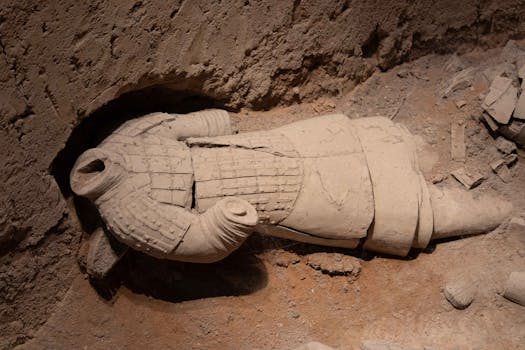
An archaeologist studies human history by digging up and examining artifacts and sites. They might work on digs in the UK or abroad, uncovering clues about how people lived in the past.

A museum curator looks after collections of objects, like ancient Egyptian artifacts. They research them, decide how to display them, and help educate the public about their significance. Many museums in the UK have dedicated ancient history or archaeology departments.
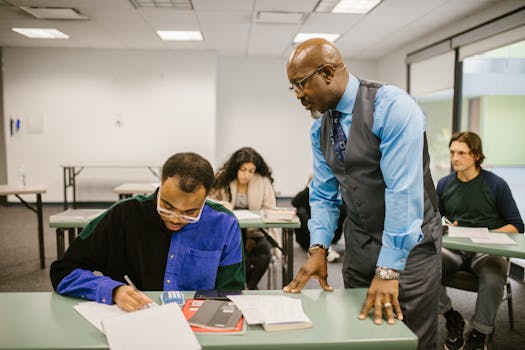
A university lecturer teaches students at university level and conducts research in their chosen subject. An Egyptology lecturer would teach about ancient Egypt, write academic papers, and supervise students doing their own research.
Explore relevant apprenticeships that can help you kickstart your career in Egyptologist. Apprenticeships offer hands-on experience and training while earning a wage.
Explore other careers or use our AI to discover personalised paths based on your interests.
Address
Developing Experts Limited
Exchange Street Buildings
35-37 Exchange Street
Norwich
NR2 1DP
UK
Phone
01603 273515
Email
[email protected]
Copyright 2026 Developing Experts, All rights reserved.

Unlock expert-designed lessons, resources, and assessments tailored for educators. No credit card required.
Claim Your Free Trial →We use cookies to enhance your browsing experience and analyze our traffic. Learn more.

