
You could take a college course, which may help you when looking for work.
Courses include:
- care
- health and social care
- T Level in Health
Entry requirements
Entry requirements for these courses vary.
Imagine a superhero, but instead of capes and flying, they use kindness and clever ideas to help people all over the world! That's a bit like an aid worker. They help people who might be having a really tough time, maybe because of a big flood, an earthquake, or sometimes just because they don't have enough food or clean water. Aid workers might travel to far-off places to deliver medicines, build schools, or even teach people how to grow their own food. They work for charities and organisations that want to make the world a better, fairer place for everyone. It's a job where you get to meet lots of different people and make a real difference to their lives. Being an aid worker isn't always easy. Sometimes they work in tricky places and might have to be away from home for a long time. But it's also a very rewarding job because you get to see how your hard work helps others. They might help children get back to school after an emergency, or make sure families have a safe place to live. It's all about being kind, patient, and good at solving problems, often with not much to work with. They are truly global helpers!

An entry-level aid worker in the UK might earn around 18,000 to 24,000 pounds a year.
With more experience, an aid worker could earn between 28,000 to 45,000 pounds a year, especially if working in management roles or specialist fields.
There are over 150,000 registered charities in the UK, with many involved in aid work both at home and abroad, meaning lots of different places to work!
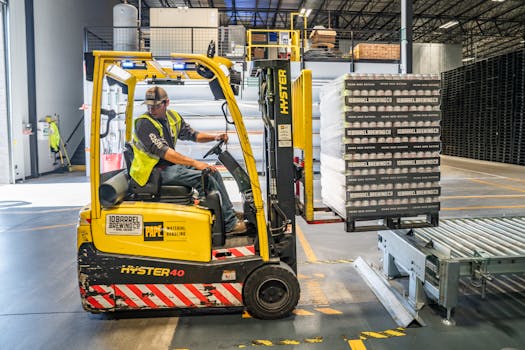
Imagine you're in charge of making sure all the important things like food, water, and tents get to people who need them after a big storm or an earthquake. You'd be like a super organiser, making sure everything goes to the right place at the right time!

This job is all about making sure children in places where there have been problems are safe and looked after. You'd help make sure they have a safe place to play, learn, and be happy, like a special helper for children during tough times.

When children have to leave their homes because of a big problem, it's really important they can still learn. This job means you help set up schools in safe places, or find ways for children to continue learning, so they don't miss out on their education.
Start by being kind and helpful at home and at school. Offer to help your friends, share your toys, and be a good listener when someone is sad.
Being a kind helper is the very first step. It teaches you how to think about others and what they might need. You could help your parents with chores, or offer to carry a friend's books. These small acts of kindness show you care about people.
Read books, watch documentaries, and ask questions about different countries and cultures. Learn about why people might need help in other parts of the world.
Learning about the world helps you understand why aid workers are important. You could find out about countries with different climates or how people live in different places. Understanding that not everyone has the same things as you do is a big part of being an aid worker.
When you see a problem, try to think of ways to fix it! Maybe a friend is having trouble with a puzzle, or your classroom needs tidying up.
Aid workers often have to solve tricky problems with limited resources. You can practice this by trying to figure out how to share toys fairly with your siblings, or how to organise your pencils so they don't get lost. Every little problem you solve helps you think like an aid worker.
As you get older, try to learn useful skills like speaking another language, basic first aid, or even how to build things. These can be very helpful!
Many aid workers need to speak different languages to talk to people they are helping. Learning simple phrases in French or Spanish, or even signing, can be a great start. Knowing a bit of first aid means you can help if someone has a scrape or feels unwell, and learning to build things can help in places where homes might need fixing.
Join groups that help people in your local area, like a charity shop, a soup kitchen, or helping at community events.
Volunteering is a fantastic way to practice helping others. You could help at a local park clean-up, or help deliver food to elderly neighbours. These experiences show you how good it feels to make a difference and give you practice working with people who need support.
Focus on subjects like geography, history, and science, as they help you understand the world and its challenges. English is important for talking to people!
Good grades in subjects like geography will help you understand different places and their problems. History can teach you about past events and why people might need help. Science can help you understand things like clean water or health. English is super important for writing reports and talking to people from all over the world!
After school, you might go to university to study things like international development, public health, or engineering. These subjects teach you how to help people on a bigger scale.
University helps you get specialised knowledge. For example, studying international development teaches you about poverty and how countries help each other. Public health teaches you how to keep people healthy and prevent diseases. Engineering can teach you how to build safe shelters or water systems. These degrees are often very helpful for working with aid organisations.
After university, you'll need to get some work experience, maybe by volunteering abroad or doing an internship. Then you can apply to work for an aid organisation!
Getting real-world experience is super important. You might volunteer for a few months in a country that needs help to see what the work is really like. Many aid organisations offer internships where you can learn from experienced aid workers. Once you have some experience, you can apply for jobs with big charities like Oxfam, Red Cross, or Save the Children.
Once you're an aid worker, you'll get to travel to different countries and help people who really need you. It's a very rewarding job!
As an aid worker, you could be helping in a refugee camp after a war, providing food and clean water after a flood, or teaching children in a remote village. It's a job where you make a real difference in people's lives every single day. You'll meet lots of different people and learn so much about the world while doing good.

Someone who helps charities by asking people for money, so the aid workers can do their important job.

These people help families and children in the UK who are going through difficult times, making sure they are safe and have what they need.

Like a teacher in your school, but they might travel to different countries to teach children who don't have easy access to education.
Explore relevant apprenticeships that can help you kickstart your career in Aid Worker. Apprenticeships offer hands-on experience and training while earning a wage.
This page showcases various career options and the pathways to reach them. Each career listed here shares transferable skills and knowledge, making it easier for individuals to transition between them.
Your current career is highlighted to help you see how it fits into the broader landscape of potential career choices. By clicking on any career, you can learn more about it, including the training and education required to pursue it.
Remember, progressing in your career often involves further learning and training. This page provides insights into future career options as well as those that can lead up to your current one.
These career progression decisions are informed by comparing the skills and knowledge needed for different occupations, along with data on how people move between them. Explore the possibilities and discover the exciting journey ahead in your career!
Both roles involve direct support to people in need, with a focus on safeguarding, welfare and improving daily living. They require similar qualifications and training in health and social care, client-centred communication and practical assistance, making care worker the closest match to an aid worker among the options.
You can get into this job through:
You could take a college course, which may help you when looking for work.
Courses include:
Entry requirements for these courses vary.
You could apply to do an apprenticeship with a care organisation or the NHS.
Apprenticeship options include:
You can apply for a foundation apprenticeship if you're aged 16 to 21.
If you're aged 22 to 24, you can apply if you:
You'll usually need:
You can volunteer with an organisation that supports vulnerable people, like a care home, charity, hospital or hospice. This can help you when applying for paid work.
You can find volunteering opportunities through:
You can apply for care worker jobs directly. If you get the role, you'll be given on-the-job training by your employer.
It's important to be kind, caring and have a respectful attitude towards people who need care and support.
Some employers might want you to have GCSEs in English and maths at grades 9 to 4 (A* to C), or equivalent. However, many will offer training to applicants who have the right personal qualities.
Time spent caring for someone you know also counts as having experience in a caring role.
You can find out more about careers in care from:
Explore other careers or use our AI to discover personalised paths based on your interests.
Address
Developing Experts Limited
Exchange Street Buildings
35-37 Exchange Street
Norwich
NR2 1DP
UK
Phone
01603 273515
Email
[email protected]
Copyright 2026 Developing Experts, All rights reserved.

Unlock expert-designed lessons, resources, and assessments tailored for educators. No credit card required.
Claim Your Free Trial →We use cookies to enhance your browsing experience and analyze our traffic. Learn more.
