Creating Career Path...

Finding Further Careers...

Forensic Science

View this career for different education levels:

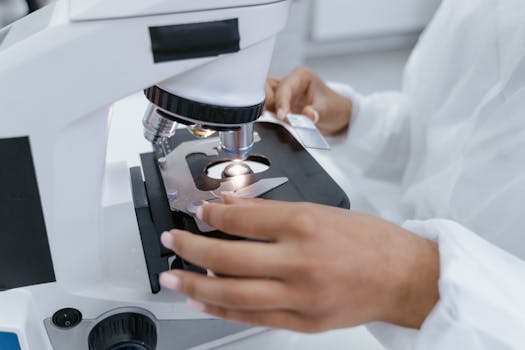
Forensic science combines science and detective work. Forensic scientists collect, analyse and interpret evidence from crime scenes using chemistry, biology and digital tools. They help police investigators determine what happened by examining samples such as fibres, blood, fingerprints and digital data. Work can involve crime scene visits, laboratory analysis and presenting findings in court. The job requires careful attention to detail, good data record keeping and teamwork with police and legal professionals.

Forensic Science

Flag Media

Please select a reason for flagging this content.

📊 Statistics

Salary range

Typical starting salaries in the UK range from about 20 000 to 28 000 pounds per year for laboratory roles, with senior or specialised posts reaching roughly 35 000 to 50 000 pounds.

Job market

There are several hundred forensic science roles across the UK each year, including lab technicians, evidence analysts and senior scientists, with growth in private forensics firms and public sector positions.

Typical qualifications

Most roles require a relevant degree in forensic science or a closely related field, plus practical lab training. Some positions may require postgraduate study or professional registration.

🚀 Careers in this path

Flag Media

Please select a reason for flagging this content.

Forensic DNA Analyst

Work in a laboratory helping to identify people from biological samples using DNA testing. Requires science study and attention to detail.

Flag Media

Please select a reason for flagging this content.

Crime Scene Investigator Assistant

Assist trained investigators at crime scenes, help collect evidence and learn about how scenes are documented and preserved.

Flag Media

Please select a reason for flagging this content.

Forensic Toxicology Technician

Support toxicologists by testing samples like blood or drink to detect substances, learning about lab work and safety.

Stage 1: Explore and Plan

Understand what forensic science involves

Learn about the different areas in forensic science such as biology, chemistry, and digital forensics.

Talk to a school careers adviser or a local university. Read about real cases and the day-to-day work of forensic scientists. Consider online resources and science clubs to grow your interest in evidence analysis.

Assess your skills and interests

Identify strengths in science, problem solving and attention to detail.

Take part in science fairs, join laboratory clubs, and try practical science activities. Keep a simple project log to track what you enjoy and where you excel.

Set a learning plan

Plan courses and opportunities that align with forensic science.

Choose science GCSEs and A levels with strong biology, chemistry and maths components. Look for biology, chemistry or computer science clubs and any local forensic lab tours or virtual workshops.

Stage 2: Build Knowledge and Skills

Study science subjects in depth

Develop solid foundations in biology, chemistry and maths.

Aim for good grades and seek extra help if topics are difficult. Use practical lab kits at home or in school to reinforce concepts such as DNA analysis, chromatography or mapping data.

Learn basic lab techniques

Get familiar with safe lab practices and simple analyses.

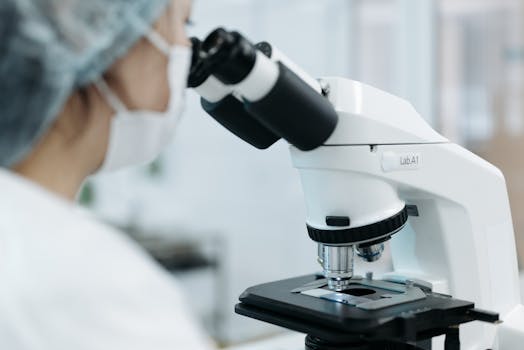
Practice using equipment like micropipettes, microscopes and basic chemical tests. Understand how to record observations accurately and safely.

Explore digital forensics and data

See how computers and data play a role in investigations.

Learn about digital evidence, cyber security basics and how data is preserved and analysed in investigations. Consider introductory coding or data handling courses.

Stage 3: Gain Qualifications and Experience

Pursue relevant qualifications

Aim for higher level qualifications and degrees in forensic science or related fields.

Target A levels or equivalents with biology, chemistry and maths. Plan to study a forensic science degree or a chemistry/biology degree with a forensic option. Look for work experience placements or summer internships with laboratories or forensic providers.

Seek work experience

Get hands-on exposure to real forensic work.

Apply for placements at local police labs, universities or private forensic labs. If direct opportunities are limited, look for summer jobs in science labs, museums, or volunteer roles that involve data handling and analysis.

Develop practical evidence handling skills

Learn about chain of custody and report writing.

Understand how evidence is collected, stored and documented. Practice writing clear, concise reports and presenting findings in a straightforward way.

Stage 4: Specialise and Enter the Field

Choose a forensic specialism

Decide between biology, chemistry, digital forensics or document analysis.

Research the typical roles within each area and what qualifications are preferred. Consider which area aligns with your interests and strengths.

Continue learning and gaining credentials

Pursue postgraduate study or professional courses as needed.

Many roles benefit from a masters or postgraduate certifications. Look for short courses in crime scene handling, forensic microscopy, or data analysis.

Prepare for entry level roles

Build a focused CV and practice interview questions.

Highlight relevant coursework, lab skills, and any placements. Prepare to talk about teamwork, ethics and attention to detail during interviews.

🎯 View Apprenticeships

Explore relevant apprenticeships that can help you kickstart your career in Forensic Science. Apprenticeships offer hands-on experience and training while earning a wage.

Career Progressions

This page showcases various career options and the pathways to reach them. Each career listed here shares transferable skills and knowledge, making it easier for individuals to transition between them.

Your current career is highlighted to help you see how it fits into the broader landscape of potential career choices. By clicking on any career, you can learn more about it, including the training and education required to pursue it.

Remember, progressing in your career often involves further learning and training. This page provides insights into future career options as well as those that can lead up to your current one.

These career progression decisions are informed by comparing the skills and knowledge needed for different occupations, along with data on how people move between them. Explore the possibilities and discover the exciting journey ahead in your career!

Sample Qualifications

Forensic science qualifications typically prepare graduates to conduct scientific analysis of evidence in laboratory settings, using chemistry, biology and analytical techniques. This aligns closely with the duties of a forensic scientist, including sample handling, instrumental analysis, quality assurance and clear reporting of findings.

How to become

You can get into this job through:

  • a university course
  • an apprenticeship
  • applying directly

University

You can do a degree or postgraduate qualification in:

  • forensic science
  • a related subject like chemistry, biological science, physics or medical sciences

Entry to jobs is competitive, so it may help to choose a university qualification accredited by The Chartered Society of Forensic Sciences.

Entry requirements

You'll usually need:

  • 2 or 3 A levels, or equivalent, including chemistry
  • a degree in a relevant subject for postgraduate study

More Information

Apprenticeship

You could apply to do a Degree Apprenticeship, such as:

  • Scientist Level 6
  • Research Scientist Level 7

It will help if you do your aprenticeship with a company that provides forensic science services, or with a police force that has its own in-house lab facilities.

Entry requirements

You'll usually need:

  • 4 or 5 GCSEs at grades 9 to 4 (A* to C) and A levels, or equivalent, for a degree apprenticeship

More Information

Direct Application

You can apply directly to forensic services providers if you've got a lot of lab experience, and qualifications in science, especially chemistry.

More Information

Career tips

If you want to specialise in recovering data from computers and mobile phones, you'll need relevant experience and qualifications. Useful subjects include computing, electrical engineering, electronics or physics.

Professional and industry bodies

You can join The Chartered Society of Forensic Sciences for professional development and advice. The society has student membership, for undergraduates aiming to get into a forensic science career.

Further information

You can find out more on careers in forensics from The Chartered Society of Forensic Sciences.

Interested in More Career Paths?

Explore other careers or use our AI to discover personalised paths based on your interests.

Stay connected

Join our newsletter to stay up to date on features and releases

Address
Developing Experts Limited
Exchange Street Buildings
35-37 Exchange Street
Norwich
NR2 1DP
UK

Phone
01603 273515

Email
[email protected]

Copyright 2025 Developing Experts, All rights reserved.
