
Creating Career Path...

Finding Further Careers...

Environmental Scientist

View this career for different education levels:

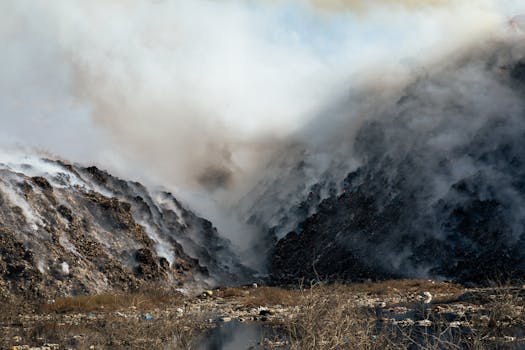
Environmental scientists in the UK study the environment and develop solutions to problems such as pollution, climate change, and resource depletion. Their work involves collecting and analysing data from air, water, and soil samples, as well as preparing reports for government agencies, private companies, and charities. They may work in the field, in laboratories, or in offices, and often collaborate with other scientists and policymakers to create strategies that protect the environment and promote sustainable development. A typical day might include site visits, environmental impact assessments, and presenting findings to stakeholders. Environmental scientists play a key role in advising how to minimise negative effects on nature and ensure compliance with UK environmental laws.

Environmental Scientist

Flag Media

Please select a reason for flagging this content.

📊 Statistics

Average Salary

The average salary for an environmental scientist in the UK ranges from £22,000 to £45,000 per year, with senior roles reaching up to £60,000.

Employment Numbers

There are approximately 10,000 to 15,000 environmental scientists employed in the UK across various sectors.

Job Growth

The demand for environmental scientists is expected to grow by around 5 percent over the next decade, driven by increasing environmental regulations and sustainability initiatives.

🚀 Careers in this path

Flag Media

Please select a reason for flagging this content.

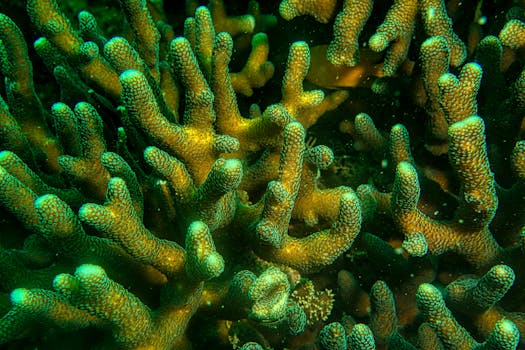
Marine Biologist

Studies sea life and ocean habitats to understand and protect marine ecosystems.

Flag Media

Please select a reason for flagging this content.

Air Quality Analyst

Monitors and analyses air pollution levels to help improve environmental and public health.

Environmental Consultant

Advises organisations on how to minimise environmental impact and comply with environmental laws.

Build a Strong Science Foundation

Study Relevant Subjects at School

Focus on subjects such as Biology, Chemistry, Geography, and Maths at GCSE and A-Level.

These subjects provide the scientific background needed for further study in environmental science. Consider choosing combined science or triple science at GCSE, and at least one science at A-Level. Geography can also be especially useful for understanding environmental systems and global issues.

Participate in Science Activities

Join science clubs, environmental groups, or take part in local conservation projects.

Getting involved in practical activities helps to build your understanding of environmental issues and demonstrates your passion for the subject. Look for opportunities such as volunteering with local wildlife trusts or participating in national science competitions.

Gain Higher Education and Experience

Study for a Degree

Apply for a university degree in Environmental Science or a related subject such as Ecology, Environmental Management, or Geology.

Many environmental scientist roles require a bachelor’s degree as a minimum. Look for accredited courses with practical fieldwork, research projects, and work placements. Some universities offer sandwich courses with a year in industry to gain valuable experience.

Undertake Work Experience

Seek internships, summer placements, or voluntary work with environmental agencies, consultancies, or charities.

Relevant work experience is highly valued by employers and can help you build a network of contacts. Consider placements with organisations like the Environment Agency, Natural England, or environmental consultancies. This experience can also help you decide which area of environmental science interests you most.

Start Your Professional Career

Apply for Entry-Level Roles

Look for jobs such as Environmental Technician, Research Assistant, or Graduate Environmental Consultant.

Entry-level positions are a great way to gain practical experience and develop your expertise. Employers include government agencies, local councils, environmental consultancies, and non-profit organisations. Tailor your CV and cover letter to highlight relevant skills and experience.

Continue Professional Development

Consider further qualifications such as a master’s degree or relevant professional certifications.

Gaining further qualifications can help you specialise in an area such as environmental impact assessment, water quality, or climate change. Joining professional bodies like the Institution of Environmental Sciences (IES) or Chartered Institution of Water and Environmental Management (CIWEM) can also support your career progression.

🎬 Useful Videos

🎯 View Apprenticeships

Explore relevant apprenticeships that can help you kickstart your career in Environmental Scientist. Apprenticeships offer hands-on experience and training while earning a wage.

Career Progressions

This page showcases various career options and the pathways to reach them. Each career listed here shares transferable skills and knowledge, making it easier for individuals to transition between them.

Your current career is highlighted to help you see how it fits into the broader landscape of potential career choices. By clicking on any career, you can learn more about it, including the training and education required to pursue it.

Remember, progressing in your career often involves further learning and training. This page provides insights into future career options as well as those that can lead up to your current one.

These career progression decisions are informed by comparing the skills and knowledge needed for different occupations, along with data on how people move between them. Explore the possibilities and discover the exciting journey ahead in your career!

Sample Qualifications

Both Environmental Scientist and Environmental consultant roles involve assessing and analysing environmental data, advising on environmental policies, regulations, and sustainability practices. They require similar expertise in environmental science principles, environmental impact assessments, and the application of scientific knowledge to real-world environmental issues.

How to become

You can get into this job through:

  • a university course
  • an apprenticeship

University

You'll usually need a degree or postgraduate qualification in environmental science, environmental studies or environmental sustainability.

You might also be able to take a related subject like:

  • biology
  • chemistry
  • geoscience
  • ecology
  • agricultural science

Entry requirements

You'll usually need:

  • 2 to 3 A levels, or equivalent, for a degree
  • a degree in a relevant subject for postgraduate study

More Information

Apprenticeship

You could apply to do an Environmental Practitioner Level 6 Degree Apprenticeship.

You might also specialise by completing a Soil Scientist Level 7 Apprenticeship. This is equivalent to study at postgraduate level.

Entry requirements

Employers will set their own entry requirements.

More Information

Volunteering

Volunteering is a great way of getting experience and a taste of environmental work. It will also give you the opportunity to develop your skills and make contacts.

Organisations who offer volunteering opportunities include:

You can find more opportunities through the Countryside Jobs Service.

More Information

Career tips

As a graduate you could look for environmental postgraduate training positions offered through a Knowledge Transfer Partnership (KTP).

In a KTP, you get the opportunity to run a research project together with an organisation and a university or research body. You may also work towards postgraduate qualifications.

Professional and industry bodies

You can join the Society for the Environment for your professional development and to make industry contacts.

Further information

You can discover more about environmental work and training through:

Interested in More Career Paths?

Explore other careers or use our AI to discover personalised paths based on your interests.

Stay connected

Join our newsletter to stay up to date on features and releases

Address
Developing Experts Limited
Exchange Street Buildings
35-37 Exchange Street
Norwich
NR2 1DP
UK

Phone
01603 273515

Email
[email protected]

Copyright 2026 Developing Experts, All rights reserved.
