Designers usually begin a project by understanding the users, audience or business needs. They then develop ideas, create sketches or digital prototypes, collect feedback and improve the final design. Important skills include communication, attention to detail, problem solving, visual awareness and the ability to explain creative decisions. A portfolio showing completed projects is often more important than having a particular qualification.

In the UK, designers can earn about 22,000 to 45,000 pounds per year, while experienced specialists such as UX, product or service designers may earn more than 60,000 pounds.
Most designers work around 35 to 40 hours per week. Freelancers and agency designers may work longer hours when projects have tight deadlines.
Designers work across technology, advertising, publishing, retail, manufacturing, fashion and public services. The UK design economy supports well over 1 million jobs across a wide range of industries.
A degree is useful for many design roles, but employers also value a strong portfolio. Apprenticeships, college courses and practical experience can provide alternative routes into the profession.
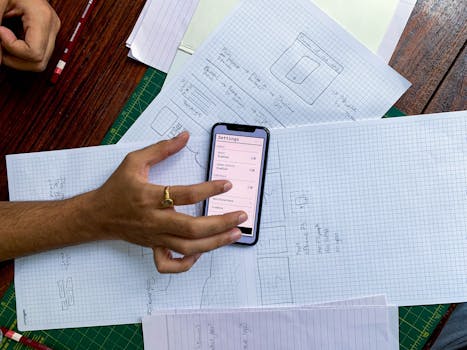
Designs websites and digital products to make them easy and enjoyable to use. This role often involves user research, creating layouts and testing designs.

Creates visual content for brands, advertising, publications and social media using typography, images and digital design software.

Plans and develops attractive and practical interiors for homes, offices, shops and hospitality spaces, often working with clients and suppliers.
Research different design areas and choose an initial specialism that matches your interests and strengths.
Explore graphic design, user experience design, product design, fashion design, interior design and motion design. Compare the typical projects, software, employers and entry routes for each area. You can change direction later, but choosing a starting point will help you select suitable projects and develop relevant skills.
Study colour, layout, typography, composition, accessibility and visual communication.
Use books, online courses, college classes and professional tutorials to build your knowledge. Practise analysing existing designs and explain why they work or do not work. Learn how to design for different audiences and understand the importance of clear communication, usability and inclusive design.
Learn the software and tools commonly used in your chosen design specialism.
Graphic designers may use Adobe Illustrator, Photoshop and InDesign. User experience designers may use Figma, FigJam and research tools. Product designers may also need computer aided design software and 3D modelling tools. Start with beginner tutorials and practise by recreating simple designs before creating original work.
Create several projects that demonstrate your creativity, technical ability and understanding of the design process.
You could redesign a local business identity, create a mobile application concept, develop packaging or produce a campaign for a community organisation. Choose projects that reflect the type of work you want to obtain. Aim for quality rather than quantity. Three to six well explained projects are usually more effective than a large collection of unfinished work.
Document your research, ideas, development, testing and final outcome for each portfolio project.
Employers want to understand how you solve problems, not only see the final image. Include early sketches, moodboards, user research, alternative ideas and changes made after feedback. Explain the purpose of each project, your personal contribution and the results achieved.
Publish your best work on a professional website or portfolio platform.
Use a clear layout, readable text and high quality images. Include an about section, contact details and a short explanation of your skills. Check that the website works well on mobile devices. Platforms such as Behance, Adobe Portfolio and Wix can help you begin, although a personal website can give you more control as your career develops.
Look for internships, work experience placements, apprenticeships and junior design roles.
Search company websites, creative recruitment agencies, university careers services and job boards. Small agencies, charities and local businesses may also offer useful opportunities. Tailor your CV and portfolio for each application. Focus on relevant projects and explain how your skills match the organisation.
Gain practical experience by helping small organisations, clubs or community groups with design projects.
Agree the project scope, deadline and expected outcome before starting. Keep written records of the work and ask whether you can include the finished project in your portfolio. Do not accept unrealistic unpaid work or allow others to use your work without clear agreement. Learn about fair pricing and basic contracts as you gain experience.
Ask tutors, designers and clients for specific feedback and use it to improve your work.
Ask what is clear, what could be improved and whether the design meets its intended purpose. Learn to accept constructive criticism without taking it personally. Keep a record of improvements so you can show how you respond to feedback during interviews and portfolio reviews.
Apply for positions such as junior graphic designer, design assistant, user experience designer or production artist.
Read job descriptions carefully and apply when you meet most of the essential requirements. Employers often value evidence of problem solving, teamwork and willingness to learn alongside formal qualifications. Prepare examples from your portfolio and practise explaining the decisions behind your work in interviews.
Connect with designers, recruiters, agencies and potential clients through events and professional platforms.
Attend design talks, portfolio reviews, creative meetups and industry events. Follow studios and designers whose work interests you and engage professionally with their content. A strong professional network can lead to mentoring, collaborations, freelance opportunities and job recommendations.
Continue learning new tools, methods and industry practices throughout your career.
Follow developments in artificial intelligence, accessibility, sustainability, user research and digital production. Update your portfolio when you complete stronger or more relevant work. After gaining experience, you could progress to designer, senior designer, design lead, creative director or an independent freelance career.
Creates visual content such as logos, posters, packaging, publications and social media graphics.

Plans and improves how people use websites, apps and other digital products through research, testing and prototyping.
Develops physical or digital products by combining user research, creative design and practical problem solving.

Leads the visual direction of advertising, media or brand projects and guides other creative professionals.
Explore relevant apprenticeships that can help you kickstart your career in Designer. Apprenticeships offer hands-on experience and training while earning a wage.
This page showcases various career options and the pathways to reach them. Each career listed here shares transferable skills and knowledge, making it easier for individuals to transition between them.
Your current career is highlighted to help you see how it fits into the broader landscape of potential career choices. By clicking on any career, you can learn more about it, including the training and education required to pursue it.
Remember, progressing in your career often involves further learning and training. This page provides insights into future career options as well as those that can lead up to your current one.
These career progression decisions are informed by comparing the skills and knowledge needed for different occupations, along with data on how people move between them. Explore the possibilities and discover the exciting journey ahead in your career!
Explore other careers or use our AI to discover personalised paths based on your interests.
Address
Developing Experts Limited
Exchange Street Buildings
35-37 Exchange Street
Norwich
NR2 1DP
UK
Phone
01603 273515
Email
[email protected]
Copyright 2026 Developing Experts, All rights reserved.

Unlock expert-designed lessons, resources, and assessments tailored for educators. No credit card required.
Claim Your Free Trial →We use cookies to enhance your browsing experience and analyze our traffic. Learn more.

