A designer plans how things look, work and communicate. Designers may create websites, mobile apps, clothes, furniture, buildings, packaging, posters or video game characters. They use ideas, drawings and computer software to solve problems and make products easier or more enjoyable to use. There are many types of designer, so the work can be very different. A graphic designer may create logos and adverts, while a product designer may design everyday objects. Designers usually work with clients and other professionals, listen to feedback and improve their ideas. Useful school subjects can include art and design, computing, maths and English. Creativity, curiosity, communication and the ability to accept helpful feedback are important skills.

A junior designer in the UK may earn about 20000 to 28000 pounds per year, depending on their area of design and location.
An experienced designer may earn about 30000 to 50000 pounds per year. Senior designers and creative directors can earn more than 60000 pounds.
Designers commonly work around 37 to 40 hours per week, although deadlines can sometimes mean working extra hours.
Designers can work for companies, design agencies or public organisations. Many also work as freelancers and take on projects for different clients.
Creates pictures, logos, posters and layouts for books, websites and advertising.

Designs clothes, shoes and accessories by choosing colours, fabrics and styles.

Plans how rooms and buildings should look by selecting furniture, colours, lighting and decorations.
Find out about graphic design, web design, product design, fashion design and interior design.
Look at examples of professional work online, in books and in shops. Notice how colour, shape, images, words and materials are used.
Use a sketchbook to draw objects, create patterns and record ideas.
Do not worry if your drawings are not perfect. Designers use sketches to explore ideas quickly before choosing a final design.
Practise using simple design tools to create posters, pictures or presentations.
You can start with free tools such as Canva, Photopea or presentation software. Learn how to choose fonts, arrange images and use colour clearly.
Choose subjects such as art, design and technology, computing, textiles, business or media studies where available.
English can help you explain ideas and write instructions. Maths can help with measurements, scale, patterns and planning.
Create projects such as a book cover, logo, website layout, room plan or product package.
For each project, write down the problem, your target audience, your ideas and the reasons for your final choice. This helps you think like a professional designer.
Show your work to teachers, family members or friends and ask what works well and what could improve.
Good designers listen carefully and make changes when needed. Try to ask clear questions, such as whether the design is easy to understand or suitable for its audience.
Collect your best designs in a folder or online portfolio.
Include different types of work and show some early ideas as well as finished designs. Add short notes explaining the problem you were solving and the choices you made.
Take part in art clubs, school projects, competitions or community activities.
These activities can help you practise working to a brief and meeting deadlines. They can also help you meet people with similar interests.
Ask local design studios, printers, shops, theatres, museums or businesses whether they offer work experience or career talks.
Always involve a parent, carer or teacher when contacting organisations. Even visiting a workplace or speaking to a designer can help you understand the job.
Decide which area interests you most, such as graphics, websites, products, fashion, interiors or user experience.
You do not need to choose immediately. Try several areas first and notice which projects you enjoy and which skills you want to improve.
Research college courses, apprenticeships, foundation courses and university degrees linked to design.
Many design courses ask for a portfolio. Check entry requirements and look at student work before choosing a course.
Use your portfolio and experience to apply for junior designer, design assistant or trainee roles.
Practise explaining your design decisions and showing how you respond to feedback. Keep learning new software and follow changes in the design industry.
Creates visual materials such as logos, posters, magazines, packaging and social media images.

Designs physical products or digital products, thinking about how they look, work and meet the needs of users.

Plans the appearance and layout of websites, including colours, pictures, menus and page structure.
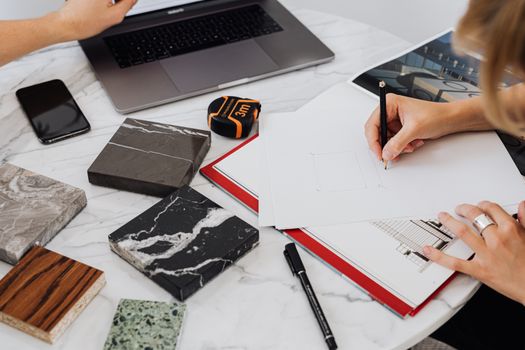
Plans the appearance and use of indoor spaces such as homes, shops, offices and hotels.
Explore relevant apprenticeships that can help you kickstart your career in Designer. Apprenticeships offer hands-on experience and training while earning a wage.
This page showcases various career options and the pathways to reach them. Each career listed here shares transferable skills and knowledge, making it easier for individuals to transition between them.
Your current career is highlighted to help you see how it fits into the broader landscape of potential career choices. By clicking on any career, you can learn more about it, including the training and education required to pursue it.
Remember, progressing in your career often involves further learning and training. This page provides insights into future career options as well as those that can lead up to your current one.
These career progression decisions are informed by comparing the skills and knowledge needed for different occupations, along with data on how people move between them. Explore the possibilities and discover the exciting journey ahead in your career!
Explore other careers or use our AI to discover personalised paths based on your interests.
Address
Developing Experts Limited
Exchange Street Buildings
35-37 Exchange Street
Norwich
NR2 1DP
UK
Phone
01603 273515
Email
[email protected]
Copyright 2026 Developing Experts, All rights reserved.

Unlock expert-designed lessons, resources, and assessments tailored for educators. No credit card required.
Claim Your Free Trial →We use cookies to enhance your browsing experience and analyze our traffic. Learn more.

