A vet receptionist is often the first person that pet owners meet at a veterinary practice. They answer the telephone, welcome people, book appointments and take payments. They may also help keep records about animals and explain when medicine or food can be collected. A vet receptionist needs to be kind, calm and organised, because pet owners may feel worried when their animal is ill. They work closely with vets and veterinary nurses, but they do not examine or treat animals.
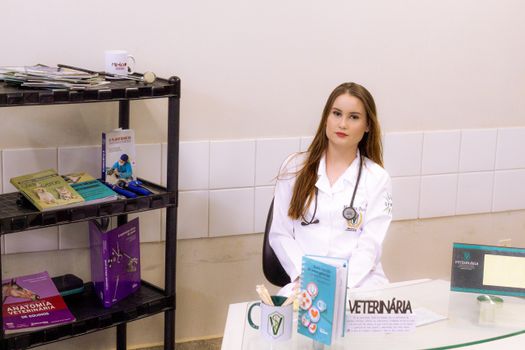
A vet receptionist may earn about 22000 to 28000 pounds a year, depending on experience and location.
Many vet receptionists work about 35 to 40 hours each week. Some work evenings, weekends or bank holidays.
There are more than 5000 veterinary practices and other veterinary workplaces across the United Kingdom.
You usually do not need a university degree. Good English, computer skills and customer service skills are useful.
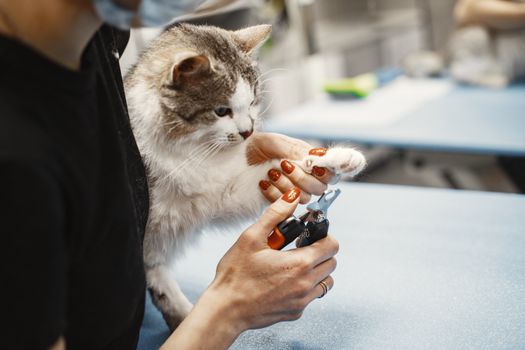
Helps vets care for animals, gives medicines and looks after pets during treatment.
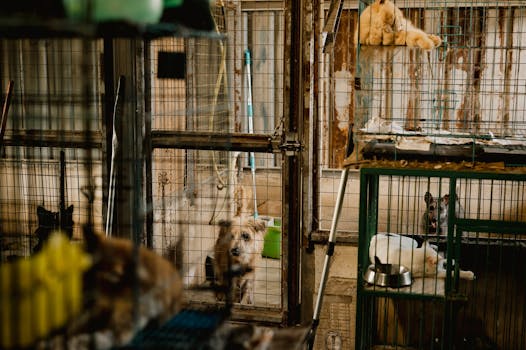
Feeds, cleans and cares for animals in places such as vets, rescue centres or animal shelters.

Helps pet owners choose insurance and explains how it can help pay for veterinary treatment.
Learn about common pets such as dogs, cats, rabbits and guinea pigs.
Read simple books and trusted websites about how to care for pets. Learn the names of animals, their needs and signs that they may feel unwell.
Learn how to be gentle, calm and caring around animals and their owners.
Animals can feel scared at a clinic. Practise speaking quietly, moving slowly and listening carefully to people who need help with their pets.
Ask a trusted adult if you can visit a vet clinic and learn what happens there.
Watch how the receptionist welcomes visitors, answers questions and helps the veterinary team. You could ask whether the clinic offers a school visit or work experience later on.
Practise speaking clearly and listening carefully to other people.
A vet receptionist needs to understand what pet owners are saying and explain information in a friendly way. Reading aloud, giving short talks and taking turns in conversations can help.
Learn how to keep information tidy and remember important tasks.
Try using a diary, checklist or calendar to plan your day. Receptionists use these skills to book appointments, pass on messages and find information quickly.
Learn basic computer skills such as typing, sending messages and using calendars.
Vet clinics use computers to store pet records and make appointments. Practise typing carefully and learn why private information must be kept safe.
Look for safe ways to practise helping people and answering questions.
You might help at a school event, charity stall or community group when you are old enough. These activities can teach you to be polite, helpful and confident.
When you are older, ask a local vet clinic about work experience or volunteering.
A clinic may let you observe reception work, clean safe areas or help with simple tasks. Always follow the clinic rules and ask an adult to help arrange the placement.
When you are old enough, apply for trainee or assistant receptionist roles at veterinary clinics.
A useful application can show your communication, computer and organisation skills. Be ready for an interview where you may be asked how you would help a worried pet owner.
Learn how to use the clinic booking system and pet record system.
Your employer will usually provide training. You will learn how to book visits, update records, take messages and protect private information.
Learn basic information about vaccinations, medicines and healthy pet care.
You do not diagnose animals or give medical advice. Instead, you learn how to pass questions to a vet or veterinary nurse and give approved information from the clinic.
With experience, help the clinic run smoothly and support newer workers.
Experienced receptionists may organise the diary, check payments, manage supplies or train new reception staff. Some may become a senior receptionist or practice manager.
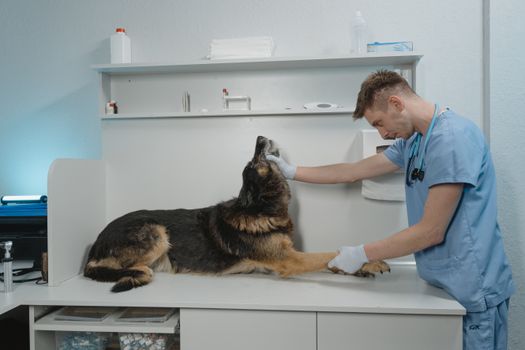
A veterinary nurse helps vets care for animals, gives nursing support and may help with animal health checks.
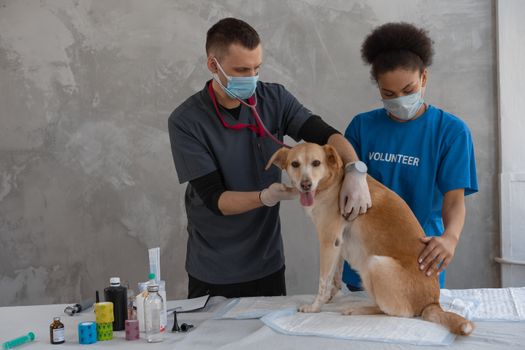
A veterinary surgeon, also called a vet, examines animals, finds out what is wrong and gives medical treatment.
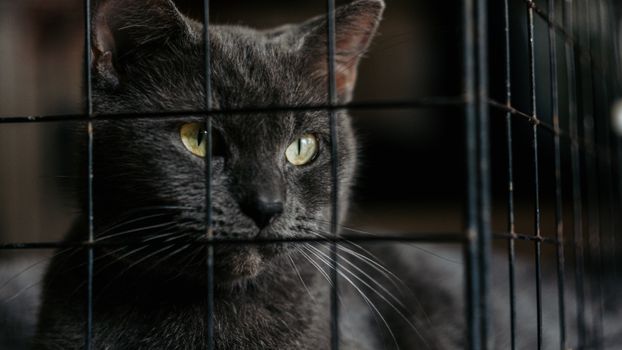
An animal care assistant feeds, cleans and looks after animals in places such as rescue centres, kennels or veterinary practices.

A medical receptionist welcomes patients, books appointments and answers questions in a doctors surgery or hospital.
Explore relevant apprenticeships that can help you kickstart your career in Vet Receptionist. Apprenticeships offer hands-on experience and training while earning a wage.
This page showcases various career options and the pathways to reach them. Each career listed here shares transferable skills and knowledge, making it easier for individuals to transition between them.
Your current career is highlighted to help you see how it fits into the broader landscape of potential career choices. By clicking on any career, you can learn more about it, including the training and education required to pursue it.
Remember, progressing in your career often involves further learning and training. This page provides insights into future career options as well as those that can lead up to your current one.
These career progression decisions are informed by comparing the skills and knowledge needed for different occupations, along with data on how people move between them. Explore the possibilities and discover the exciting journey ahead in your career!
Explore other careers or use our AI to discover personalised paths based on your interests.
Address
Developing Experts Limited
Exchange Street Buildings
35-37 Exchange Street
Norwich
NR2 1DP
UK
Phone
01603 273515
Email
[email protected]
Copyright 2026 Developing Experts, All rights reserved.

Unlock expert-designed lessons, resources, and assessments tailored for educators. No credit card required.
Claim Your Free Trial →We use cookies to enhance your browsing experience and analyze our traffic. Learn more.

