The job requires a calm and caring manner because clients may be worried about an ill or injured pet. Strong organisation, communication and computer skills are important, as receptionists may need to manage busy appointment schedules, insurance information and medical records. Experience in retail, hospitality, office administration or animal care can help when applying. With experience, a vet receptionist may progress to practice administrator, reception manager or practice manager.

Vet receptionists in the UK commonly earn about 22000 to 28000 pounds per year, depending on experience, location and the size of the practice.
Most roles involve around 35 to 40 hours per week. Some practices offer evening, weekend or emergency shifts.
There is usually no formal degree requirement. Employers often look for good GCSEs, customer service experience and confidence using computers.
Vacancies are available in independent veterinary practices, large veterinary groups, animal hospitals, referral centres and charities. Opportunities are most common in towns and cities with several pet care services.
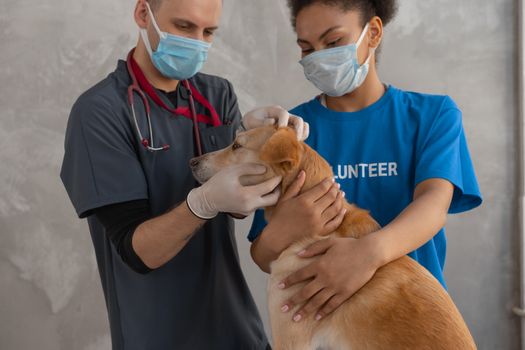
Supports veterinary surgeons and nurses with animal handling, cleaning, feeding and basic care in a veterinary practice. This can be a useful next step for gaining practical animal care experience.
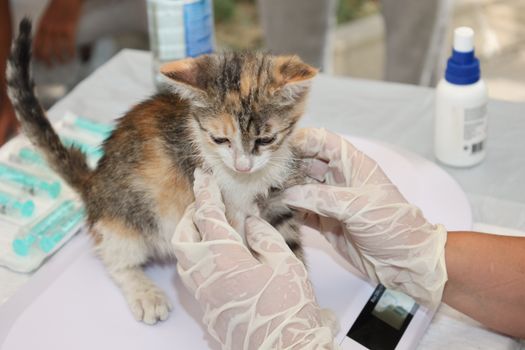
Provides hands on care for animals, assists with examinations and operations, and supports owners with aftercare advice. This career usually requires an approved veterinary nursing qualification.
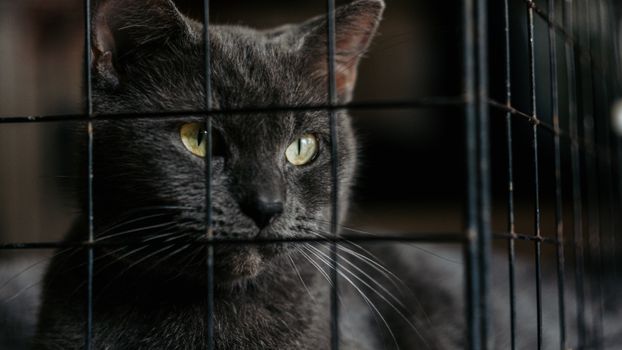
Works with animal charities, local authorities or rescue organisations to protect animals and promote responsible pet ownership. The role may involve inspections, advice and arranging animal care.
Practise communicating clearly, listening carefully and responding professionally to different types of clients.
Vet receptionists regularly speak with worried, upset or frustrated pet owners. Experience in retail, hospitality, administration or call centre work can help you build confidence in handling enquiries and resolving problems.
Gain a basic understanding of common pets, responsible ownership and general veterinary terminology.
You do not need to be a qualified veterinary nurse, but knowledge of cats, dogs and other common pets will help you communicate with clients. Learn about vaccinations, microchipping, parasite treatment and routine health checks from reliable animal welfare organisations.
Build accurate typing, diary management, email, telephone and record keeping skills.
Reception work involves entering client and animal details accurately, arranging appointments and processing payments. Practise using spreadsheets, calendars and word processing software to become confident with everyday office tasks.
Look for volunteering opportunities at an animal rescue centre, cattery, kennel or community animal organisation.
Volunteering can demonstrate your interest in animal welfare and help you become comfortable around different animals. Ask whether you can also assist with reception, enquiries, appointment records or fundraising administration.
Consider part time or full time work in retail, hospitality, reception or administration.
Many veterinary practices value transferable experience more than specialist qualifications for entry level receptionist roles. Focus on examples where you helped customers, managed busy periods, handled confidential information or dealt with complaints.
Contact local veterinary practices and ask about work shadowing or short work experience placements.
Prepare a polite email explaining your interest, availability and relevant experience. Practices may have restrictions because of confidentiality, health and safety or infection control, so be flexible about the type of observation they can offer.
Write a clear CV that highlights customer service, administration, animal experience and reliability.
Include specific examples rather than only listing personal qualities. For example, explain how you managed a busy till, dealt with confidential records or handled several telephone enquiries at the same time.
Look for vacancies with veterinary hospitals, independent practices, animal charities and emergency clinics.
Search on practice websites, veterinary recruitment websites, general job boards and local employer pages. Useful job titles include veterinary receptionist, client care assistant, veterinary client service advisor and practice receptionist.
Practise answering questions about customer service, teamwork, confidentiality and dealing with distressed pet owners.
Be ready to explain how you would handle an urgent telephone call, an unhappy client or a fully booked appointment list. Show empathy while making clear that clinical decisions must be made by a qualified veterinary professional.
Become confident using the practice booking system, payment tools, telephone systems and client records.
Each practice may use different software. Ask for training and keep notes about common procedures, such as registering new clients, arranging repeat prescriptions and recording messages accurately.
Complete relevant short courses and continue learning about animal welfare, client care and veterinary practice procedures.
Training may be available through your employer, professional organisations or animal welfare providers. Courses in customer service, telephone skills, data protection, first aid or animal care can strengthen your professional development.
Work towards senior receptionist, client service manager, practice administrator or veterinary practice manager roles.
Progression usually comes through experience, strong organisation and an ability to support colleagues. If you become interested in clinical animal care, research the separate training route for veterinary nursing, which includes approved qualifications and practical placements.
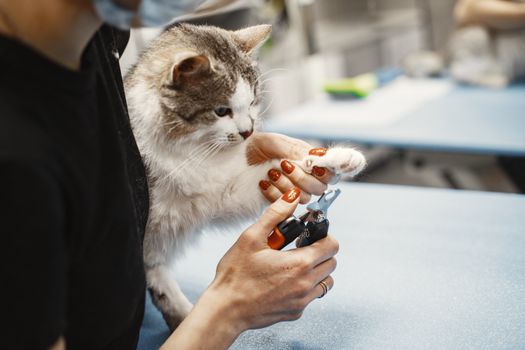
Veterinary nurses support veterinary surgeons with animal care, treatment, monitoring and procedures. This career normally requires an approved qualification and professional registration.

A practice manager oversees the business and administration of a veterinary practice, including staff, finances, customer service and daily operations.
Animal care assistants look after animals in settings such as rescue centres, boarding kennels, catteries and veterinary hospitals.

Medical receptionists perform similar administrative and customer service duties in GP surgeries, hospitals and private healthcare clinics.
Explore relevant apprenticeships that can help you kickstart your career in Vet Receptionist. Apprenticeships offer hands-on experience and training while earning a wage.
This page showcases various career options and the pathways to reach them. Each career listed here shares transferable skills and knowledge, making it easier for individuals to transition between them.
Your current career is highlighted to help you see how it fits into the broader landscape of potential career choices. By clicking on any career, you can learn more about it, including the training and education required to pursue it.
Remember, progressing in your career often involves further learning and training. This page provides insights into future career options as well as those that can lead up to your current one.
These career progression decisions are informed by comparing the skills and knowledge needed for different occupations, along with data on how people move between them. Explore the possibilities and discover the exciting journey ahead in your career!
Explore other careers or use our AI to discover personalised paths based on your interests.
Address
Developing Experts Limited
Exchange Street Buildings
35-37 Exchange Street
Norwich
NR2 1DP
UK
Phone
01603 273515
Email
[email protected]
Copyright 2026 Developing Experts, All rights reserved.

Unlock expert-designed lessons, resources, and assessments tailored for educators. No credit card required.
Claim Your Free Trial →We use cookies to enhance your browsing experience and analyze our traffic. Learn more.

