Creating Career Path...

Finding Further Careers...

PE Teacher

View this career for different education levels:

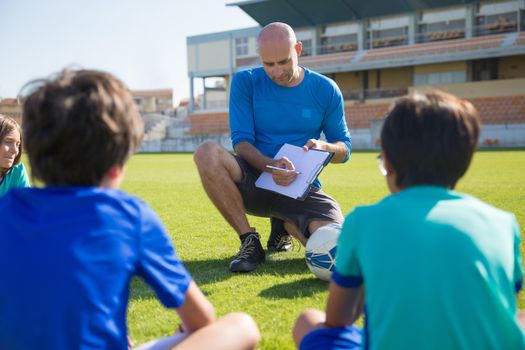
Being a PE Teacher in the UK means you get to inspire young people to be active and healthy. You will teach a wide range of sports and physical activities, from football and netball to gymnastics and athletics, to students aged typically between 11 and 18. Your day might involve planning exciting lessons, demonstrating sports techniques, coaching teams, and helping students understand why exercise is so important for their bodies and minds. You will also be responsible for making sure everyone is safe while participating and that all students feel included and enjoy taking part, regardless of their natural ability. It is a really rewarding job where you help shape students' physical well-being and their love for sport throughout their school lives. Beyond teaching lessons, a PE Teacher often organises and supervises after-school clubs, sports teams, and school sports days. You might take students to competitions against other schools or help prepare them for local sports events. It is a job that keeps you on your feet and lets you share your passion for sport every day. You will need to be good at communicating, patient, energetic, and have a good understanding of various sports and how to teach them effectively to different age groups. It is about encouraging teamwork, sportsmanship, and a healthy lifestyle.

PE Teacher

Flag Media

Please select a reason for flagging this content.

📊 Statistics

Starting Salary

Newly qualified PE Teachers in England can expect to earn a starting salary of around 30,000 to 36,000 pounds per year, depending on the school and location.

Experienced Salary

With more experience, a PE Teacher can earn between 38,000 and 46,000 pounds. Those with leadership roles, like Head of Department, can earn even more, often exceeding 50,000 pounds.

Job Outlook

There is a steady demand for qualified teachers across the UK, including PE. Many schools value good sports programmes, ensuring opportunities for enthusiastic PE teachers.

🚀 Careers in this path

Flag Media

Please select a reason for flagging this content.

Sports Coach

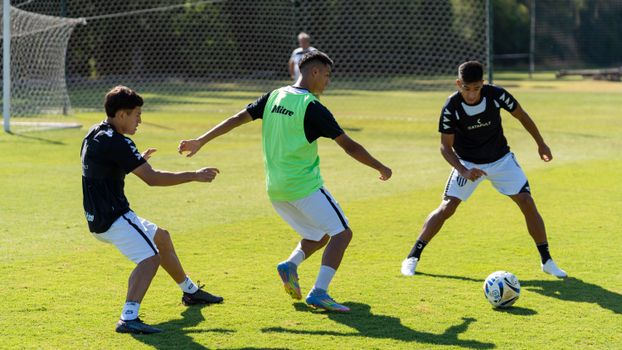
If you enjoy teaching different sports and helping people get better, a Sports Coach might be a great fit. You could coach a specific sport like football, netball, or athletics, and work with teams or individuals to develop their skills and fitness.

Flag Media

Please select a reason for flagging this content.

Outdoor Activities Instructor

If you love being active outdoors and teaching adventurous activities, this could be for you. You could lead groups in exciting things like rock climbing, kayaking, or orienteering, often at an outdoor centre or school camp.

Flag Media

Please select a reason for flagging this content.

Fitness Instructor

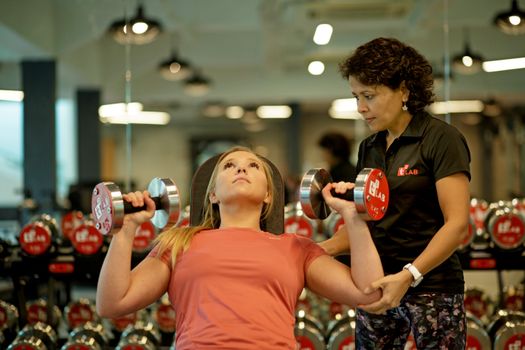
This role involves helping people get fit and healthy in a gym or community setting. You could teach exercise classes like Zumba or aerobics, show people how to use gym equipment safely, and help them achieve their fitness goals.

Start with Strong Foundations

Do Well at School

Focus on your school subjects, especially those like Physical Education (PE), Biology, and other science subjects. Getting good grades will help you later on.

To become a PE Teacher, you'll need to achieve good GCSE grades, typically including English, Maths, and Science, usually at grades 4-9 (A*-C under the old system). Strong grades show universities that you're ready for higher education. Participating actively in your school's PE lessons and any sports clubs is also very helpful, as it demonstrates your passion for physical activity.

Get Involved in Sports

Join school sports teams, local clubs, or volunteer to help with sports events. This will build your skills and experience in different activities.

Being involved in a variety of sports will give you practical experience and show your commitment. Try different things like football, rugby, netball, athletics, swimming, or even gymnastics. Not only will you improve your own skills, but you'll also learn about teamwork, leadership, and how to coach others, all of which are important for a PE Teacher.

Gain Leadership Experience

Look for opportunities to lead or help others, such as being a sports captain, peer mentor, or helping younger children in sports activities.

Developing leadership skills early on is really beneficial. This could involve captaining a sports team, becoming a Sports Leader at school, or volunteering to help coach a younger age group at a local club. These experiences will help you practice explaining rules, motivating others, and managing groups, which are all key parts of a PE Teacher's job.

Higher Education and Training

Go to University

Study for a degree that is relevant to physical education or sports science. This is usually a three-year course.

Most PE Teachers will complete an undergraduate degree such as a BA (Hons) or BSc (Hons) in Physical Education, Sports Science, Sport Coaching, or a related subject. You'll learn about anatomy, physiology, sports psychology, and teaching methods. Many universities offer excellent sports facilities and opportunities to gain practical experience alongside your studies.

Get Your Teaching Qualification (PGCE)

After your degree, you'll need a special qualification to teach, called a PGCE (Postgraduate Certificate in Education) or School Direct programme.

The PGCE is a one-year postgraduate course that specifically prepares you for teaching. It includes placements in schools where you'll get hands-on experience teaching PE lessons, observing experienced teachers, and developing your classroom management skills. There are also School Direct programmes which allow you to train 'on the job' within a school setting, often leading to a PGCE qualification.

Gain School Experience

During your university and PGCE training, you'll spend time in schools learning how to plan lessons, manage a classroom, and teach different sports.

Practical experience in schools is a critical part of your training. You'll work with students of different ages and abilities, learn to adapt lessons, and understand the school environment. This hands-on experience is vital for building your confidence and refining your teaching techniques before you become a fully qualified teacher.

Start Your Teaching Career

Find Your First Teaching Job

Once qualified, you'll apply for jobs as a Newly Qualified Teacher (NQT) in primary or secondary schools.

Look for job vacancies in schools that fit your preferences – whether you prefer primary or secondary education. Prepare a strong CV and cover letter, highlighting your skills, experiences, and passion for PE. You'll likely have interviews and may be asked to teach a sample lesson as part of the application process. Networking during your training placements can also sometimes lead to opportunities.

Complete Your NQT Year (ECT)

Your first year of teaching is supervised, where you get extra support and mentorship to help you settle into the role.

The NQT year, now called the Early Career Teacher (ECT) induction period, is a structured programme of support and professional development. You'll have a mentor who provides guidance and support, and you'll have a reduced teaching timetable to allow for professional development. This period is designed to help you transition from training to becoming an independent, effective teacher.

Keep Learning and Growing

Teachers always keep learning! Attend courses, share ideas with colleagues, and find new ways to make PE lessons exciting.

The world of sport and education is always changing, so it's important to stay up-to-date with new teaching methods, sports rules, and health guidelines. Participate in Continuous Professional Development (CPD) courses, read educational journals, and collaborate with other PE teachers. You might specialise in certain sports, become a Head of Department, or even move into school leadership roles later in your career.

🎯 View Apprenticeships

Explore relevant apprenticeships that can help you kickstart your career in PE Teacher. Apprenticeships offer hands-on experience and training while earning a wage.

Career Progressions

This page showcases various career options and the pathways to reach them. Each career listed here shares transferable skills and knowledge, making it easier for individuals to transition between them.

Your current career is highlighted to help you see how it fits into the broader landscape of potential career choices. By clicking on any career, you can learn more about it, including the training and education required to pursue it.

Remember, progressing in your career often involves further learning and training. This page provides insights into future career options as well as those that can lead up to your current one.

These career progression decisions are informed by comparing the skills and knowledge needed for different occupations, along with data on how people move between them. Explore the possibilities and discover the exciting journey ahead in your career!

Sample Qualifications

The input career 'PE Teacher' is an exact match for the official job title 'PE teacher' provided in the list. Both refer to educators specialising in physical education.

How to become

You can get into this job through:

  • a university course
  • an apprenticeship
  • working towards this role

University

Undergraduate degree

You can do a sport and fitness, physical education or sports coaching degree with qualified teacher status (QTS).

Postgraduate certificate

You can complete a postgraduate certificate in education (PGCE), if you have a first degree without QTS. This can be done at university or on a school-based training programme.

You need QTS to teach in most primary and secondary schools in England but you do not need a PGCE to teach.

Find out more about QTS from Get Into Teaching.

Change careers to teaching

Find out about the support available if you want to change to a career in teaching.

Entry requirements

You'll usually need:

  • 4 or 5 GCSEs at grades 9 to 4 (A* to C), or equivalent, including English and maths
  • GCSE science at grade 9 to 4 (A* to C) for primary school teaching
  • 2 to 3 A levels, or equivalent, for a degree
  • a degree in a relevant subject for postgraduate study

More Information

Apprenticeship

You may be able to apply to do an Undergraduate or Postgraduate Teacher Level 6 Apprenticeship.

The undergraduate option takes up to 4 years to complete. The postgraduate route takes around 1 year, with both leading to qualified teacher status (QTS).

Entry requirements

You'll usually need:

  • 5 GCSEs at grades 9 to 4 (A* to C), or equivalent, including English and maths
  • GCSE science at grade 9 to 4 (A* to C) for primary school teaching
  • a degree for a postgraduate teaching apprenticeship

More Information

Work

If you're a PE or sports graduate, you may be able to get into teaching by working as a sports coach in a school or college, then move onto a teacher training programme.

You'll need coaching qualifications in your specialist sport to do this.

Volunteering

You'll find it helpful to get some experience of working with young people though this is not essential. You can do this through paid work or by volunteering at a school, doing youth work or coaching at a sports club.

More Information

Registration

Career tips

You can attend a Get Into Teaching event before you apply to get advice about teaching, funding and the different training routes available. You can attend events in person and online.

Further information

You can find out more about how to become a teacher from Get Into Teaching.

You can also search for jobs through the Teaching Vacancies service.

Interested in More Career Paths?

Explore other careers or use our AI to discover personalised paths based on your interests.

Stay connected

Join our newsletter to stay up to date on features and releases

Address
Developing Experts Limited
Exchange Street Buildings
35-37 Exchange Street
Norwich
NR2 1DP
UK

Phone
01603 273515

Email
[email protected]

Copyright 2026 Developing Experts, All rights reserved.
