
Creating Career Path...

Finding Further Careers...

PE Teacher

View this career for different education levels:

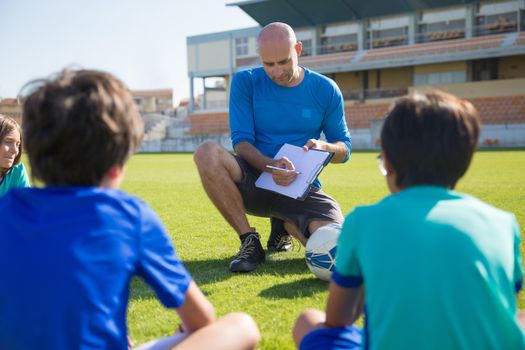
A PE Teacher, or Physical Education Teacher, plays a crucial role in developing students' physical literacy, health, and wellbeing. In the UK, this involves planning and delivering engaging lessons across a range of sports and physical activities, from team sports like football and netball to individual pursuits such as gymnastics and athletics. You'd be responsible for teaching fundamental movement skills, promoting healthy lifestyles, and fostering teamwork and sportsmanship. Beyond classroom teaching, PE Teachers often organise and lead extra-curricular sports clubs, coach school teams, and manage competitive fixtures. This career demands not only a strong understanding of various sports and exercise science but also excellent communication, motivational, and organisational skills. You'll assess student progress, provide feedback, and adapt your teaching methods to cater to diverse abilities and learning styles, helping young people discover a lifelong love for physical activity.

PE Teacher

Flag Media

Please select a reason for flagging this content.

📊 Statistics

Average Salary

The average salary for a PE Teacher in the UK typically ranges from £27,000 for newly qualified teachers to over £40,000 for experienced teachers, potentially reaching higher for those in leadership roles.

Working Hours

PE Teachers generally work around 32-37 hours a week during term time, though this often extends due to extra-curricular activities, sports clubs, and fixtures. Preparation and marking also contribute to out-of-lesson hours.

Job Outlook

While the exact number of open positions fluctuates, there's a consistent demand for qualified PE Teachers across primary and secondary schools in the UK. Teacher recruitment remains a priority in the education sector.

🚀 Careers in this path

Flag Media

Please select a reason for flagging this content.

Sports Coach

Building on the foundation of PE teaching, a Sports Coach focuses on developing athletes within a specific sport or range of sports. This could involve working with school teams, local clubs, or even individual athletes to improve their skills, fitness, and tactical understanding. You'd plan and deliver training sessions, provide feedback, and help participants achieve their full potential. Qualifications in coaching specific sports are often beneficial.

Flag Media

Please select a reason for flagging this content.

Outdoor Education Instructor

If you enjoy combining physical activity with nature and adventurous pursuits, an Outdoor Education Instructor could be a great fit. You'd lead groups, often young people, in activities like climbing, kayaking, hiking, and orienteering, focusing on skill development, teamwork, and personal growth in an outdoor setting. This role often requires specific outdoor leadership qualifications and first aid certifications.

Flag Media

Please select a reason for flagging this content.

Exercise Physiologist

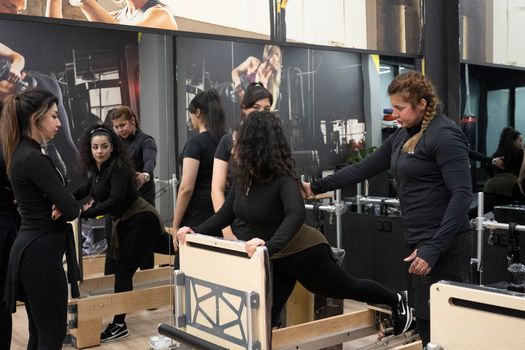
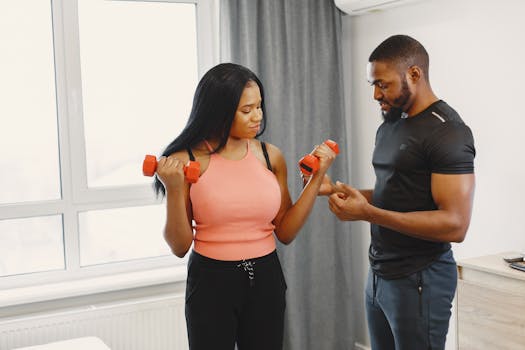
For a more science-based approach to physical activity, an Exercise Physiologist works with individuals to improve their fitness, health, and athletic performance, often focusing on rehabilitation or specific health conditions. You'd conduct fitness assessments, design tailored exercise programmes, and monitor progress, applying principles of physiology, biomechanics, and nutrition. A relevant degree in Sports Science or Exercise Physiology is typically required for this specialism.

Build Your Academic Foundation

Achieve Relevant A-Levels

Focus on A-Levels that provide a strong basis for a degree in sports science, physical education, or a related field.

Typically, universities look for at least two to three A-Levels, with subjects like Physical Education, Biology, Psychology, or even a BTEC in Sport being highly advantageous. Strong grades will enhance your university applications. Consider subjects that demonstrate your understanding of the human body, exercise principles, and teaching methodologies.

Gain an Undergraduate Degree

Complete a Bachelor's degree in a subject related to physical education or sports.

A common route is a BA (Hons) or BSc (Hons) in Physical Education, Sport Science, Sports Coaching, or a similar discipline. Look for courses that include modules on anatomy, physiology, biomechanics, psychology of sport, coaching principles, and education studies. Some universities offer 'Sport and Exercise Science with QTS' (Qualified Teacher Status) degrees, which combine your undergraduate study with teacher training, making it a direct route into teaching.

Engage in Practical Experience

Volunteer or work in environments that involve coaching or leading sports activities for young people.

Gaining practical experience is crucial. Look for opportunities to volunteer at local sports clubs, youth groups, or school holiday camps. This demonstrates your commitment and gives you valuable insight into working with children and young adults in a sporting context. Coaching qualifications from National Governing Bodies (e.g., FA, England Rugby, British Athletics) can significantly bolster your CV and provide foundational coaching skills.

Secure Qualified Teacher Status (QTS)

Complete a PGCE or SCITT

Undertake a Postgraduate Certificate in Education (PGCE) or School-Centred Initial Teacher Training (SCITT) specialising in Physical Education.

If your undergraduate degree wasn't a direct QTS course, a PGCE or SCITT is the standard route. These are one-year intensive programmes that combine university-based learning with significant practical placements in schools. You'll learn about curriculum design, classroom management, assessment, and pedagogical approaches specific to PE. Research providers carefully as some may have a stronger focus on primary or secondary PE.

Pass Professional Skills Tests

Successfully complete the professional skills tests in numeracy and literacy.

Before starting your initial teacher training, you'll need to pass these computer-based tests. They are designed to ensure all prospective teachers have a good grasp of fundamental literacy and numeracy skills. There are resources available online and through training providers to help you prepare. Make sure to book these well in advance as pass rates are a requirement for QTS.

Gain Classroom Experience During Training

Actively participate and learn from your teaching placements in schools.

During your PGCE or SCITT, you'll have extended placements in at least two different schools. This is where you put theory into practice, teach lessons, manage classes, and become part of a school community. Seek feedback from your mentors, observe experienced teachers, and proactively take on responsibilities beyond your timetabled lessons, such as assisting with extracurricular clubs. This practical exposure is invaluable for developing your teaching identity.

Start Your Teaching Career

Apply for ECT Positions

Search and apply for Early Career Teacher (ECT) positions in secondary schools.

Once you have QTS, you'll be an Early Career Teacher. Most newly qualified teachers will start in a secondary school setting, as PE is typically a specialist subject at this level. Utilise school websites, national teaching job boards (e.g., Tes, DfE Teaching Vacancies), and recruitment agencies to find suitable roles. Tailor your applications to highlight your PE specialisms, coaching experience, and passion for inspiring young people.

Complete Your ECT Induction

Successfully complete your two-year Early Career Teacher induction period.

The ECT induction period is a statutory requirement, typically lasting two academic years. During this time, you'll receive a reduced timetable, dedicated mentor support, and structured professional development. You'll be assessed against the Teachers' Standards. It's a crucial period for consolidating your skills, building confidence, and establishing yourself as a professional educator. Embrace the support and feedback to continually improve your practice.

Pursue Continuous Professional Development

Actively seek opportunities to develop your skills, knowledge, and specialisms within PE.

Teaching is a profession of lifelong learning. Once established, look for CPD opportunities such as specialist coaching qualifications (e.g., Level 2 or 3 in specific sports), safeguarding training, first aid certification, or courses focusing on inclusive PE. Consider leadership roles within the PE department, contributing to school-wide initiatives, or even pursuing a Master's degree in education. Staying current and expanding your expertise will enhance your career progression and impact.

🎬 Useful Videos

🎯 View Apprenticeships

Explore relevant apprenticeships that can help you kickstart your career in PE Teacher. Apprenticeships offer hands-on experience and training while earning a wage.

Career Progressions

This page showcases various career options and the pathways to reach them. Each career listed here shares transferable skills and knowledge, making it easier for individuals to transition between them.

Your current career is highlighted to help you see how it fits into the broader landscape of potential career choices. By clicking on any career, you can learn more about it, including the training and education required to pursue it.

Remember, progressing in your career often involves further learning and training. This page provides insights into future career options as well as those that can lead up to your current one.

These career progression decisions are informed by comparing the skills and knowledge needed for different occupations, along with data on how people move between them. Explore the possibilities and discover the exciting journey ahead in your career!

Sample Qualifications

The user's input 'PE Teacher' is an exact match to the official job title 'PE teacher' provided in the list. Both refer to a teacher specialising in physical education.

How to become

You can get into this job through:

  • a university course
  • an apprenticeship
  • working towards this role

University

Undergraduate degree

You can do a sport and fitness, physical education or sports coaching degree with qualified teacher status (QTS).

Postgraduate certificate

You can complete a postgraduate certificate in education (PGCE), if you have a first degree without QTS. This can be done at university or on a school-based training programme.

You need QTS to teach in most primary and secondary schools in England but you do not need a PGCE to teach.

Find out more about QTS from Get Into Teaching.

Change careers to teaching

Find out about the support available if you want to change to a career in teaching.

Entry requirements

You'll usually need:

  • 4 or 5 GCSEs at grades 9 to 4 (A* to C), or equivalent, including English and maths
  • GCSE science at grade 9 to 4 (A* to C) for primary school teaching
  • 2 to 3 A levels, or equivalent, for a degree
  • a degree in a relevant subject for postgraduate study

More Information

Apprenticeship

You may be able to apply to do an Undergraduate or Postgraduate Teacher Level 6 Apprenticeship.

The undergraduate option takes up to 4 years to complete. The postgraduate route takes around 1 year, with both leading to qualified teacher status (QTS).

Entry requirements

You'll usually need:

  • 5 GCSEs at grades 9 to 4 (A* to C), or equivalent, including English and maths
  • GCSE science at grade 9 to 4 (A* to C) for primary school teaching
  • a degree for a postgraduate teaching apprenticeship

More Information

Work

If you're a PE or sports graduate, you may be able to get into teaching by working as a sports coach in a school or college, then move onto a teacher training programme.

You'll need coaching qualifications in your specialist sport to do this.

Volunteering

You'll find it helpful to get some experience of working with young people though this is not essential. You can do this through paid work or by volunteering at a school, doing youth work or coaching at a sports club.

More Information

Registration

Career tips

You can attend a Get Into Teaching event before you apply to get advice about teaching, funding and the different training routes available. You can attend events in person and online.

Further information

You can find out more about how to become a teacher from Get Into Teaching.

You can also search for jobs through the Teaching Vacancies service.

Interested in More Career Paths?

Explore other careers or use our AI to discover personalised paths based on your interests.

Stay connected

Join our newsletter to stay up to date on features and releases

Address
Developing Experts Limited
Exchange Street Buildings
35-37 Exchange Street
Norwich
NR2 1DP
UK

Phone
01603 273515

Email
[email protected]

Copyright 2026 Developing Experts, All rights reserved.
