
Creating Career Path...

Finding Further Careers...

Clothes Designer

View this career for different education levels:

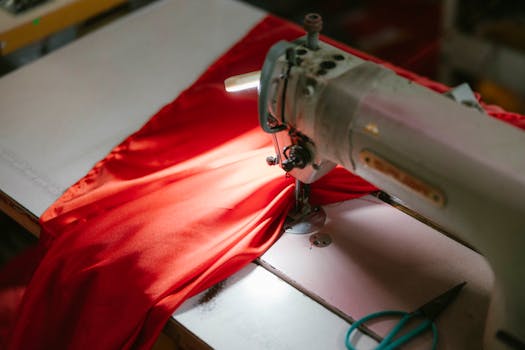
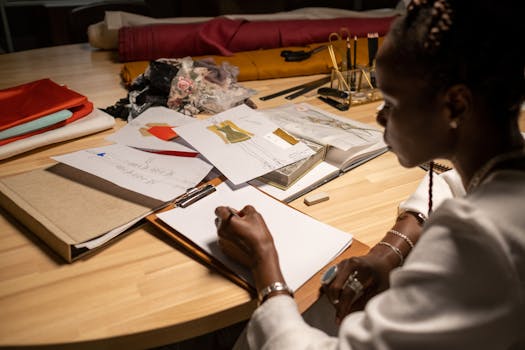
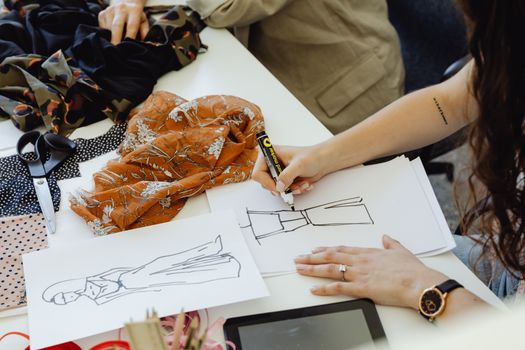
A Clothes Designer, often called a Fashion Designer, is someone who creates new ideas for clothing and accessories. This is a super creative job where you get to imagine what clothes will look like, choose colours, fabrics, and patterns, and then help bring those ideas to life. You might sketch designs, create digital drawings, or even drape fabric on a mannequin to see how it hangs. Designers work for big fashion brands, small independent labels, or even start their own businesses. They need to keep up with the latest trends, understand what people want to wear, and also think about how clothes are made. It involves a lot of teamwork, from working with pattern cutters who turn your sketches into actual patterns, to sample machinists who sew the first versions of your designs. It is a fantastic career for anyone who loves art, creativity, and seeing their ideas worn by others!

Clothes Designer

Flag Media

Please select a reason for flagging this content.

📊 Statistics

Starting Salary

For someone just starting as a Clothes Designer in the UK, you might expect to earn around 18,000 to 25,000 pounds per year.

Experienced Salary

With more experience, an experienced Clothes Designer in the UK can earn between 28,000 and 50,000 pounds annually. Very senior or well-known designers could earn even more.

Number of Jobs

The fashion industry is competitive, but there are thousands of roles across the UK for designers, pattern cutters, and fashion assistants, with new opportunities always appearing in different fashion houses and brands.

🚀 Careers in this path

Flag Media

Please select a reason for flagging this content.

Fashion Illustrator

If you love drawing and clothes, you could be a fashion illustrator! You'd draw the designs before they're made into real clothes, showing what they look like on models. It's a great way to combine your artistic skills with your interest in fashion.

Flag Media

Please select a reason for flagging this content.

Costume Designer for Theatre or Film

Instead of everyday clothes, you could design special costumes for actors in plays, movies, or TV shows. You'd research different historical periods or imagine fantasy outfits, helping to bring characters and stories to life through their clothing.

Flag Media

Please select a reason for flagging this content.

Textile Designer

A textile designer creates the patterns and textures for fabrics themselves. You'd think about what colours and designs would look good on different materials, whether it's for clothing, curtains, or even wallpaper. It's all about making fabrics look exciting and unique.

Build Your Creative Skills

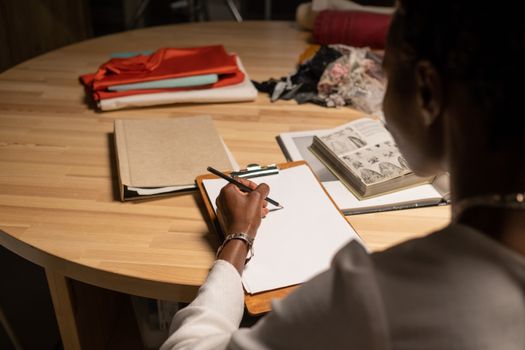
Start Sketching and Drawing

Practice drawing clothes and different body shapes. This helps you get your ideas down on paper.

Start by sketching outfits you see around you, or draw imaginary clothes from your mind. Pay attention to how different fabrics drape and fold. You can use pencils, crayons, or even digital drawing tools. The more you draw, the better you'll get at expressing your fashion ideas visually.

Learn About Fabrics and Materials

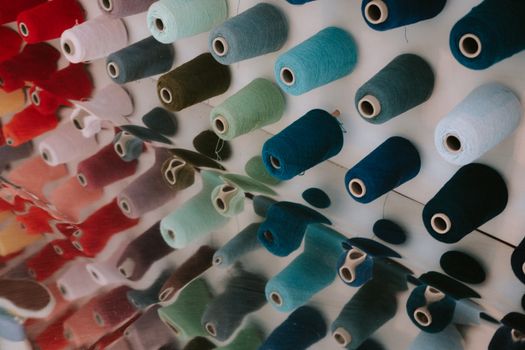
Discover different types of cloth and how they feel and behave. This is important for choosing the right materials for your designs.

Visit fabric shops with an adult or look online at different types of fabric like cotton, denim, silk, and wool. Feel them, look at their textures, and try to imagine what kind of clothes they would be good for. Think about how stretchy, soft, or stiff they are. Understanding materials helps you design clothes that are comfortable and look good.

Experiment with Sewing

Learn basic sewing skills, either by hand or using a sewing machine, to turn your designs into real clothes.

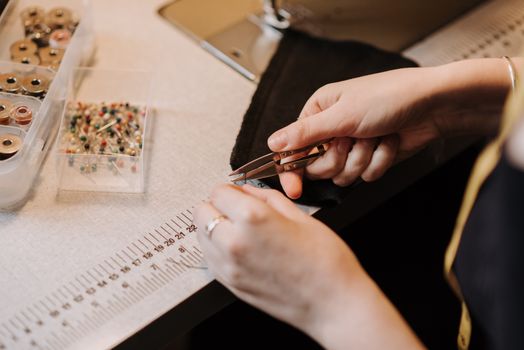
Ask a parent, guardian, or teacher if they can help you learn to sew. You could start with simple projects like making a cushion cover, a basic skirt, or even mending clothes. There are lots of easy-to-follow tutorials online too. Being able to sew helps you understand how clothes are constructed and allows you to bring your designs to life.

Explore Fashion Education

Take Art and Design Classes

Choose subjects at school like Art, Textiles, or Design & Technology to develop your creative and practical skills.

These subjects will teach you about colour theory, pattern making, different art techniques, and how to work with various materials. Textiles in particular will focus on understanding fabrics and clothing construction, which is really important for a clothes designer. Try to enjoy these classes and absorb as much as you can from them.

Research Further Education Options

Look into colleges and universities that offer courses in fashion design or related subjects after you finish school.

Many universities in the UK, like Central Saint Martins or London College of Fashion, offer excellent fashion design degrees. While you're still young, you can look at their websites and see what students create. This will give you an idea of the kind of work and learning you could do in the future. It's exciting to see what's possible!

Build a Portfolio

Start collecting your best sketches, drawings, and any garments you've made to show off your talent.

A portfolio is like a special scrapbook of your creative work. It shows off your skills and unique style. Even now, you can keep your best drawings and ideas in a folder. As you get older and apply for college or university, this portfolio will be very important for showing them what you can do and why you'd be a great fashion student.

Gain Experience and Network

Seek Work Experience or Internships

Try to get experience working with a fashion designer, a clothing brand, or even a local tailor.

Once you're a bit older, asking to shadow someone for a day or helping out for a week can give you a real insight into the fashion world. You might help with organising fabrics, assisting on photoshoots, or just observing how a design studio works. This kind of experience is really valuable and can help you make connections.

Stay Up-to-Date with Trends

Follow fashion news, magazines, and social media to understand what's popular and what's coming next.

Fashion is always changing, so it's important to know what's happening in the industry. Look at fashion shows online, read fashion blogs, and notice what people are wearing. This will help you develop your own sense of style and understand what makes a successful design. You can also visit museums with costume exhibits to see fashion from the past.

Develop Your Own Style

Experiment with different ideas and techniques to find your unique 'design voice' and what makes your creations special.

Don't just copy what others do; try to develop your own signature style. What kind of clothes do you love? What makes them unique? Is it a certain pattern, a way of cutting fabric, or a colour palette? The more you experiment and trust your own ideas, the more distinctive and successful your designs will become. This is what will make you stand out as a designer.

🎬 Useful Videos

🎯 View Apprenticeships

Explore relevant apprenticeships that can help you kickstart your career in Clothes Designer. Apprenticeships offer hands-on experience and training while earning a wage.

Career Progressions

No career progressions found for Clothes Designer

Sample Qualifications

A Clothes Designer primarily works with fabrics and materials to create garments, which directly aligns with the duties of a Textile Designer who develops designs for woven, knitted, and printed fabrics, often used in fashion.

How to become

You can get into this job through:

  • a university course
  • a college course
  • an apprenticeship
  • working towards this role

University

You could take a foundation degree, higher national diploma or degree in a subject like:

  • textile design
  • fashion and textiles
  • art and design
  • surface pattern and textiles
  • textile technology

You can also do a postgraduate course in textile design if you have a related first degree or a lot of industry experience.

When choosing a course, it's important to check that it covers the technical skills and knowledge that employers want.

Entry requirements

You'll usually need:

  • a foundation diploma in art and design
  • 1 or 2 A levels, or equivalent, for a foundation degree or higher national diploma
  • 2 to 3 A levels, or equivalent, for a degree
  • a related degree or several years' relevant experience

More Information

College

You can take a college course in textiles or art, craft and design. These courses will teach you some of the skills and knowledge you need to get an assistant’s job with a design company.

If you want to work in the development of industrial textiles, you can take a course in design and technology or product design.

Entry requirements

Entry requirements for these courses vary.

More Information

Apprenticeship

You could apply to do an apprenticeship, such as:

  • Fashion and Textiles Pattern Cutter Level 3 Advanced Apprenticeship
  • Textile Technical Specialist Level 4 Higher Apprenticeship
  • Fashion and Textiles Product Technologist Level 4 Higher Apprenticeship

These take around 2 years to complete and combine training on the job with off-site study.

Apprenticeships like these could help you to find a trainee position. This might be with a design company, or with a manufacturer, making technical textiles used in industries like healthcare, construction and aerospace.

Entry requirements

You'll usually need:

  • 5 GCSEs at grades 9 to 4 (A* to C), or equivalent, including English and maths, for an advanced apprenticeship
  • 4 or 5 GCSEs at grades 9 to 4 (A* to C) and A levels, or equivalent, for a higher or degree apprenticeship

More Information

Work

You could start work as a textile design assistant or technician. You would combine your work experience with on-the-job training and qualifications to become a textile designer.

More Information

Career tips

You'll usually need to present a design portfolio when you're looking for work or applying for courses.

Professional and industry bodies

You could join The Textile Institute and The Textile Society for professional development training and to build up your network of contacts.

Further information

You can find out more about careers and training in textiles through the:

Interested in More Career Paths?

Explore other careers or use our AI to discover personalised paths based on your interests.

Stay connected

Join our newsletter to stay up to date on features and releases

Address
Developing Experts Limited
Exchange Street Buildings
35-37 Exchange Street
Norwich
NR2 1DP
UK

Phone
01603 273515

Email
[email protected]

Copyright 2026 Developing Experts, All rights reserved.
