Creating Career Path...

Finding Further Careers...

Clothes Designer

View this career for different education levels:

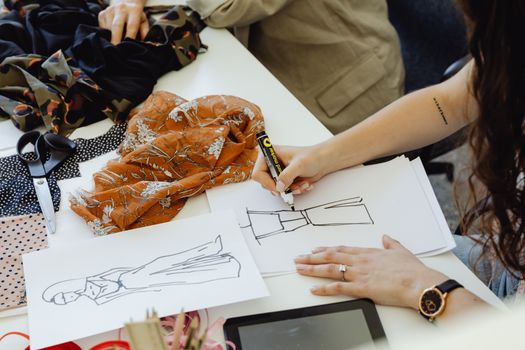
As a Clothes Designer in the UK, you'll be at the forefront of creating new fashion lines, from concept to completion. This dynamic role involves researching current trends, forecasting future styles, and translating those ideas into wearable garments. You'll often start by sketching designs and selecting fabrics, before moving on to creating technical specifications and liaising with pattern cutters and sample machinists to bring your vision to life. The job demands a strong eye for detail, an understanding of textiles, and excellent communication skills, as you'll be working collaboratively with various teams, including production, marketing, and sales. Whether you're designing for a high street brand, a luxury label, or an independent boutique, the core aim is to produce innovative and commercially viable clothing that resonates with the target market. Your day-to-day could involve anything from developing mood boards and attending fabric fairs to fitting samples on models and preparing for collection presentations. It's a highly competitive field that requires passion, resilience, and a continuous desire to learn and adapt to changing consumer tastes and industry technologies. Many designers specialise in particular areas, such as menswear, womenswear, childrenswear, sportswear, or specific categories like knitwear or outerwear. A degree in fashion design or a related subject is often a prerequisite, along with a strong portfolio showcasing your creative flair and technical abilities.

Clothes Designer

Flag Media

Please select a reason for flagging this content.

📊 Statistics

Average UK Salary

The average salary for a Clothes Designer in the UK typically ranges from £25,000 for entry-level positions to £50,000 for experienced designers. Senior or head designers in high-end fashion houses can earn upwards of £70,000 per year.

Job Outlook and Opportunities

According to recent job market analysis, there are often around 1,500-2,000 active job postings for 'Fashion Designer' or 'Clothes Designer' roles across the UK at any given time, reflecting a steady demand for creative talent within the fashion industry.

Working Hours

Standard working hours are generally 37-40 hours per week, Monday to Friday. However, deadlines and collection launches can often require longer hours, including evenings and weekends, particularly in the lead-up to fashion shows or production cycles.

🚀 Careers in this path

Flag Media

Please select a reason for flagging this content.

Fashion Designer

As a Fashion Designer, you'll focus on creating original clothing and accessory designs. This involves sketching designs, selecting fabrics and patterns, and overseeing the production of garments, often working with a team to bring collections to life for fashion shows or retail.

Flag Media

Please select a reason for flagging this content.

Costume Designer

A Costume Designer specialises in creating outfits for characters in film, television, theatre, or other performing arts productions. You'd research historical periods, interpret scripts to develop character looks, and manage the costume department through fittings and production.

Flag Media

Please select a reason for flagging this content.

Textile Designer

A Textile Designer creates patterns and prints for fabrics used in clothing, home furnishings, and other products. This role requires a strong understanding of different materials, dyeing techniques, and digital design software to produce innovative and commercially viable fabric designs.

Foundation & Education

Build a Strong Portfolio

Start developing a portfolio showcasing your creative flair, drawing skills, and understanding of design. This is crucial for university applications and future job prospects.

Your portfolio should include a range of work: sketches, mood boards, fabric choices, design development, and any finished garments you've made. Experiment with different styles and techniques. Attend local art and design workshops or take an A-Level in Art and Design or Textiles to refine your skills and gain feedback.

Gain Relevant Qualifications

Pursue higher education in fashion design to acquire theoretical knowledge and practical skills essential for the industry.

Most fashion designers in the UK hold a degree in Fashion Design, Fashion Textiles, or a related subject. Look for BA (Hons) courses at universities like Central Saint Martins, London College of Fashion, Kingston University, or Manchester Metropolitan University. Some may opt for a foundation year first to build their portfolio and explore different creative disciplines.

Master Core Design Skills

Develop proficiency in key technical and creative skills vital for a fashion designer, including sketching, pattern cutting, and garment construction.

This involves learning how to translate 2D designs into 3D garments. Focus on hand sketching as well as digital design tools (CAD software like Adobe Illustrator/Photoshop). Understanding fabric properties, draping techniques, and various sewing methods is also paramount. Many university courses will cover these extensively, but additional short courses or online tutorials can supplement your learning.

Gaining Experience

Undertake Internships

Seek out internships with fashion brands, design houses, or even individual designers to gain invaluable real-world experience and industry contacts.

Internships are incredibly competitive but offer hands-on experience in various aspects of the fashion cycle, from trend research and sample making to production and marketing. They often provide networking opportunities that can lead to future job offers. Look for opportunities during university holidays or as part of a sandwich year.

Network Within the Industry

Actively build connections with other designers, manufacturers, stylists, and industry professionals to open doors to collaborations and job opportunities.

Attend fashion shows, industry events, trade fairs, and workshops. Utilise platforms like LinkedIn to connect with professionals. Networking can provide insights into current trends, job openings, and mentorship opportunities. Don't underestimate the power of a strong professional network.

Start Your Own Projects

Work on personal design projects or freelance assignments to continue building your portfolio and demonstrate your initiative and unique design voice.

Creating your own small capsule collections or taking on bespoke commissions can show potential employers your ability to see a project through from conception to completion. This also allows you to experiment freely and develop your signature style without commercial constraints, making your portfolio stand out.

Career Advancement

Secure an Entry-Level Role

Apply for junior designer, design assistant, or similar entry-level positions to begin your professional career in the fashion industry.

These roles often involve assisting senior designers with research, sketching, technical drawings, fabric sourcing, and preparing collections. It's a fantastic way to learn the ropes of a commercial design environment and understand the full product lifecycle within a brand. Be prepared to be adaptable and learn quickly.

Specialise and Develop Expertise

Over time, consider specialising in a particular area of fashion, such as menswear, womenswear, sportswear, bridal, or accessories, and continue to refine your skills.

Specialisation can make you a more attractive candidate for specific roles and allow you to delve deeper into a niche. Continuous professional development, staying updated with industry software, sustainable practices, and new fabric technologies is crucial for long-term success. Attend workshops, masterclasses, or even pursue a Master's degree in a specialised field.

Progress to Senior Roles or Freelance

With experience, aim for senior designer roles, lead designer positions, or explore establishing your own fashion label or working as an independent freelance designer.

Senior designers typically manage teams, oversee entire collections, and have significant creative input. If entrepreneurship is your goal, starting your own label requires not just design talent but also business acumen, marketing skills, and strong networking. Freelancing offers flexibility but demands self-discipline and a strong client base.

🎬 Useful Videos

🎯 View Apprenticeships

Explore relevant apprenticeships that can help you kickstart your career in Clothes Designer. Apprenticeships offer hands-on experience and training while earning a wage.

Career Progressions

No career progressions found for Clothes Designer

Sample Qualifications

A Clothes Designer primarily works with fabrics and materials, which aligns directly with the duties of a Textile designer who designs patterns and structures for woven, knitted, and printed materials, often used in clothing.

How to become

You can get into this job through:

  • a university course
  • a college course
  • an apprenticeship
  • working towards this role

University

You could take a foundation degree, higher national diploma or degree in a subject like:

  • textile design
  • fashion and textiles
  • art and design
  • surface pattern and textiles
  • textile technology

You can also do a postgraduate course in textile design if you have a related first degree or a lot of industry experience.

When choosing a course, it's important to check that it covers the technical skills and knowledge that employers want.

Entry requirements

You'll usually need:

  • a foundation diploma in art and design
  • 1 or 2 A levels, or equivalent, for a foundation degree or higher national diploma
  • 2 to 3 A levels, or equivalent, for a degree
  • a related degree or several years' relevant experience

More Information

College

You can take a college course in textiles or art, craft and design. These courses will teach you some of the skills and knowledge you need to get an assistant’s job with a design company.

If you want to work in the development of industrial textiles, you can take a course in design and technology or product design.

Entry requirements

Entry requirements for these courses vary.

More Information

Apprenticeship

You could apply to do an apprenticeship, such as:

  • Fashion and Textiles Pattern Cutter Level 3 Advanced Apprenticeship
  • Textile Technical Specialist Level 4 Higher Apprenticeship
  • Fashion and Textiles Product Technologist Level 4 Higher Apprenticeship

These take around 2 years to complete and combine training on the job with off-site study.

Apprenticeships like these could help you to find a trainee position. This might be with a design company, or with a manufacturer, making technical textiles used in industries like healthcare, construction and aerospace.

Entry requirements

You'll usually need:

  • 5 GCSEs at grades 9 to 4 (A* to C), or equivalent, including English and maths, for an advanced apprenticeship
  • 4 or 5 GCSEs at grades 9 to 4 (A* to C) and A levels, or equivalent, for a higher or degree apprenticeship

More Information

Work

You could start work as a textile design assistant or technician. You would combine your work experience with on-the-job training and qualifications to become a textile designer.

More Information

Career tips

You'll usually need to present a design portfolio when you're looking for work or applying for courses.

Professional and industry bodies

You could join The Textile Institute and The Textile Society for professional development training and to build up your network of contacts.

Further information

You can find out more about careers and training in textiles through the:

Interested in More Career Paths?

Explore other careers or use our AI to discover personalised paths based on your interests.

Stay connected

Join our newsletter to stay up to date on features and releases

Address
Developing Experts Limited
Exchange Street Buildings
35-37 Exchange Street
Norwich
NR2 1DP
UK

Phone
01603 273515

Email
[email protected]

Copyright 2026 Developing Experts, All rights reserved.