Creating Career Path...

Finding Further Careers...

Clothes Designer

View this career for different education levels:

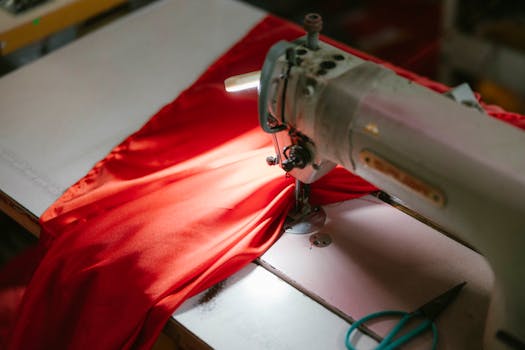
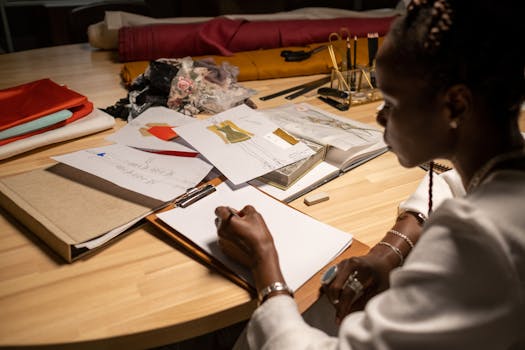
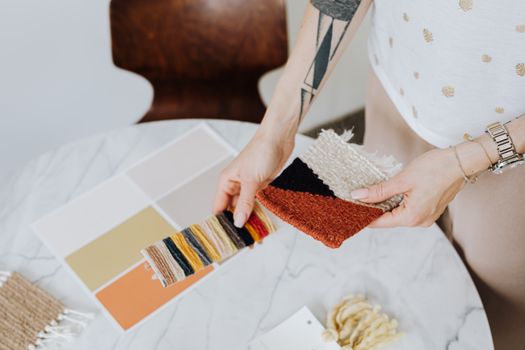
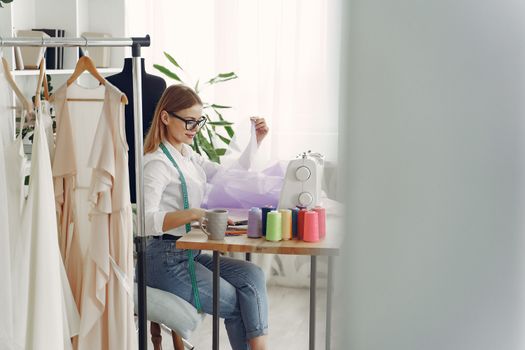
Imagine drawing beautiful clothes and then seeing them made into real outfits people can wear. That's what a Clothes Designer does! They are like artists who create clothes. They think about what will look good, what colours will match, and what materials will feel nice to wear. They draw their ideas, choose fabrics, and work with people who sew to make their designs come to life. They might design clothes for everyday wear, special parties, or even big fashion shows. It's a very creative job where you get to use your imagination to make people look stylish and feel happy in their clothes. Clothes designers need to know about different types of fabrics, how to draw well, and what styles are popular. They often work as part of a team, and sometimes they travel to find new ideas or materials. It's a fun job for someone who loves fashion and being creative!

Clothes Designer

Flag Media

Please select a reason for flagging this content.

📊 Statistics

Salary for a Clothes Designer

Starting salaries for clothes designers in the UK can be around 20,000 pounds per year. With more experience, this can go up to 45,000 pounds or even much higher for very famous designers.

Number of Clothes Designer Jobs

The fashion industry in the UK is quite big, and there are many people working in different creative roles. While an exact number for 'Clothes Designer' jobs changes all the time, thousands of people work in fashion design across the UK each year.

Weekly Working Hours

A full-time clothes designer in the UK usually works about 37 to 40 hours a week. Sometimes, close to a big fashion show, they might work longer to get everything ready.

🚀 Careers in this path

Flag Media

Please select a reason for flagging this content.

Costume Designer

Imagine making special outfits for actors in films, TV shows, or plays, like superhero capes or princess dresses. You think about what the character is like and what they need to wear.

Flag Media

Please select a reason for flagging this content.

Fashion Illustrator

Instead of making clothes with fabric, you draw beautiful pictures of clothes and outfits that don't exist yet! You use pencils, paints, or even computers to show off new designs.

Flag Media

Please select a reason for flagging this content.

Textile Designer

You get to invent the patterns and pictures that go onto fabrics! Think about all the different patterns on your clothes, curtains, or even your bedding – a textile designer made them.

Start Your Creative Journey

Draw and Sketch

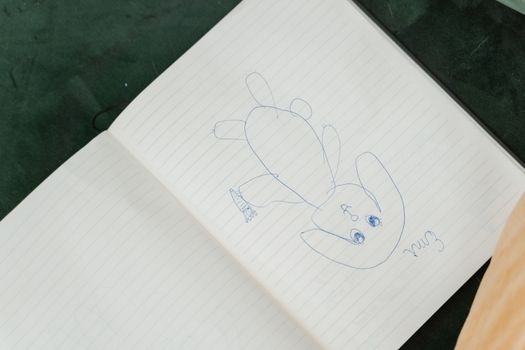
Start by drawing all sorts of clothes! Think about what you would like to wear or what your toys might wear. Use crayons, pencils, or paints.

Drawing is super important for a clothes designer. Try drawing different shapes for dresses, tops, and trousers. Don't worry if it's not perfect, just have fun letting your imagination run wild! You can even draw your favourite cartoon characters in new outfits.

Play with Fabrics

Ask a grown-up if you can look at different pieces of fabric, like old T-shirts, towels, or scarves. Feel how they are different – some are soft, some are fluffy, some are smooth!

Different fabrics feel and look different. Cotton is often soft, wool can be warm, and silk feels smooth. As a designer, you'll choose the best fabric for each piece of clothing. You can even try cutting simple shapes from fabric scraps (with grown-up help!) and seeing how they drape.

Imagine and Invent

Think about new clothes you'd like to see. Maybe trousers with pockets that glow, or a dress that changes colour! Write down or draw your amazing ideas.

Being a designer means being an inventor! Try to come up with completely new ideas for clothes. What problem could your clothes solve? Maybe raincoats that turn into umbrellas, or shoes that can jump really high. Keep an 'idea book' for all your wonderful creations.

Learn and Create

Learn to Sew Simple Stitches

Ask a grown-up to teach you how to sew a simple stitch with a needle and thread, or try using child-friendly sewing kits. You could make a small cushion or a doll's blanket.

Knowing how to sew even a little bit helps you understand how clothes are put together. You can start with very easy stitches, maybe even using big plastic needles and wool on special boards, before moving to a real needle and thread with supervision. Practising on small projects like decorating a simple piece of fabric can be a great start.

Design for Others

Draw clothes for your family, friends, or even your favourite teddy bear! Think about what they like and what colours suit them.

When you design for others, you learn to think about different people and their styles. Does your friend like bright colours or calm ones? Does your teddy bear need a warm jumper for winter? This helps you understand how to make clothes that people will really love to wear, not just what you like.

Make a Mini Fashion Show

Use your drawings or even some simple clothes you've made for your toys. Put on a pretend fashion show for your family!

A fashion show is where designers show off their new clothes. You can do this at home with your creations! Explain why you chose certain colours or patterns. This is a fun way to share your designs and get feedback, just like real designers do before their clothes go into shops.

Dream Big

Visit Shops and Learn

When you go shopping for clothes with a grown-up, look at how the clothes are made. What colours are popular? What different styles do you see?

Visiting clothes shops isn't just for buying; it's also for learning! Pay attention to the details: how are the sleeves attached? What kind of buttons are used? What types of clothes do people seem to be buying the most? This helps you understand what's in fashion and what people like.

Read Books About Fashion

Ask a grown-up to find books or magazines about clothes design and famous designers. You might find lots of cool ideas!

There are many exciting stories about clothes designers and how they create amazing outfits. Reading these books can inspire you and show you how different designers started. You'll learn about different styles from around the world and throughout history, too.

Keep Practising Your Art

Always keep drawing, sewing, and coming up with new ideas. The more you practise, the better you'll become at designing fantastic clothes!

Like any skill, designing clothes gets better with practice. Don't stop sketching your ideas, even if they seem silly. Try different art materials and techniques. The more you create, the more confident and creative you'll become, which is exactly what a brilliant clothes designer needs!

🎬 Useful Videos

🎯 View Apprenticeships

Explore relevant apprenticeships that can help you kickstart your career in Clothes Designer. Apprenticeships offer hands-on experience and training while earning a wage.

Career Progressions

This page showcases various career options and the pathways to reach them. Each career listed here shares transferable skills and knowledge, making it easier for individuals to transition between them.

Your current career is highlighted to help you see how it fits into the broader landscape of potential career choices. By clicking on any career, you can learn more about it, including the training and education required to pursue it.

Remember, progressing in your career often involves further learning and training. This page provides insights into future career options as well as those that can lead up to your current one.

These career progression decisions are informed by comparing the skills and knowledge needed for different occupations, along with data on how people move between them. Explore the possibilities and discover the exciting journey ahead in your career!

Sample Qualifications

A Clothes Designer primarily focuses on the aesthetic and functional design of garments, which involves selecting and creating fabric patterns and textures. A Textile Designer specialises in creating these very designs for fabrics, making it the closest match among the options provided.

How to become

You can get into this job through:

  • a university course
  • a college course
  • an apprenticeship
  • working towards this role

University

You could take a foundation degree, higher national diploma or degree in a subject like:

  • textile design
  • fashion and textiles
  • art and design
  • surface pattern and textiles
  • textile technology

You can also do a postgraduate course in textile design if you have a related first degree or a lot of industry experience.

When choosing a course, it's important to check that it covers the technical skills and knowledge that employers want.

Entry requirements

You'll usually need:

  • a foundation diploma in art and design
  • 1 or 2 A levels, or equivalent, for a foundation degree or higher national diploma
  • 2 to 3 A levels, or equivalent, for a degree
  • a related degree or several years' relevant experience

More Information

College

You can take a college course in textiles or art, craft and design. These courses will teach you some of the skills and knowledge you need to get an assistant’s job with a design company.

If you want to work in the development of industrial textiles, you can take a course in design and technology or product design.

Entry requirements

Entry requirements for these courses vary.

More Information

Apprenticeship

You could apply to do an apprenticeship, such as:

  • Fashion and Textiles Pattern Cutter Level 3 Advanced Apprenticeship
  • Textile Technical Specialist Level 4 Higher Apprenticeship
  • Fashion and Textiles Product Technologist Level 4 Higher Apprenticeship

These take around 2 years to complete and combine training on the job with off-site study.

Apprenticeships like these could help you to find a trainee position. This might be with a design company, or with a manufacturer, making technical textiles used in industries like healthcare, construction and aerospace.

Entry requirements

You'll usually need:

  • 5 GCSEs at grades 9 to 4 (A* to C), or equivalent, including English and maths, for an advanced apprenticeship
  • 4 or 5 GCSEs at grades 9 to 4 (A* to C) and A levels, or equivalent, for a higher or degree apprenticeship

More Information

Work

You could start work as a textile design assistant or technician. You would combine your work experience with on-the-job training and qualifications to become a textile designer.

More Information

Career tips

You'll usually need to present a design portfolio when you're looking for work or applying for courses.

Professional and industry bodies

You could join The Textile Institute and The Textile Society for professional development training and to build up your network of contacts.

Further information

You can find out more about careers and training in textiles through the:

Interested in More Career Paths?

Explore other careers or use our AI to discover personalised paths based on your interests.

Stay connected

Join our newsletter to stay up to date on features and releases

Address
Developing Experts Limited
Exchange Street Buildings
35-37 Exchange Street
Norwich
NR2 1DP
UK

Phone
01603 273515

Email
[email protected]

Copyright 2026 Developing Experts, All rights reserved.