
You can do a foundation degree or higher national diploma in electrical and electronic engineering.
Entry requirements
You'll usually need:
- 1 or 2 A levels, or equivalent, for a foundation degree or higher national diploma
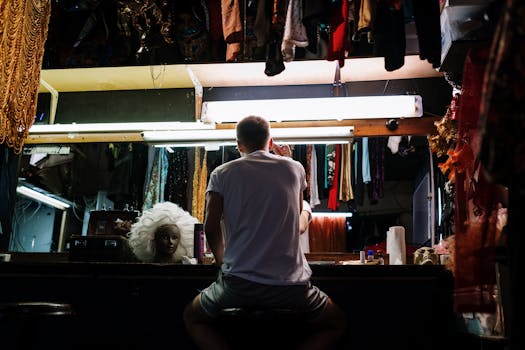
A Theatre Technician is a vital part of any live performance or event, working behind the scenes to ensure everything runs smoothly from a technical perspective. You could be involved in lighting, sound, stage management, set construction, or a combination of these areas. Your responsibilities might include setting up and operating lighting desks, mixing sound for actors and musicians, rigging scenery, maintaining equipment, and performing pre-show checks. It's a hands-on role that requires a keen eye for detail, problem-solving skills, and the ability to work effectively under pressure in a fast-paced environment. You'll work closely with directors, designers, and performers to bring a production to life, making sure the technical elements perfectly complement the creative vision. This career path demands a blend of technical expertise and creative understanding. You'll need to be proficient with various pieces of technical equipment, often requiring specific training for specialist tools and software. Health and safety are paramount in this role, as you'll often be working at height, with heavy equipment, or complex electrical systems. Many technicians specialise in one area, such as lighting or sound, as they gain experience, allowing them to become true experts in their field. Whether it's a touring musical, a local play, or a large-scale concert, the Theatre Technician is indispensable to the success of the show.
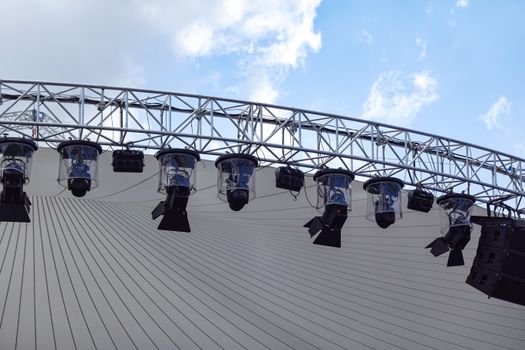
Starting salaries for a Theatre Technician in the UK typically range from 18,000 to 22,000 GBP per year. With experience, this can increase to 25,000 to 35,000 GBP, and senior or specialist roles can command 40,000 GBP or more, particularly in larger venues or productions.
The live events and theatre sector in the UK offers a steady number of opportunities, though competition can be keen for entry-level roles. There is consistent demand for skilled technicians across various venues, from small independent theatres to large West End productions and touring shows.
Working hours are often irregular and include evenings, weekends, and public holidays, especially when shows are running. During technical rehearsals or 'fit-ups' (installation periods), days can be long and intensive, sometimes exceeding 10-12 hours.
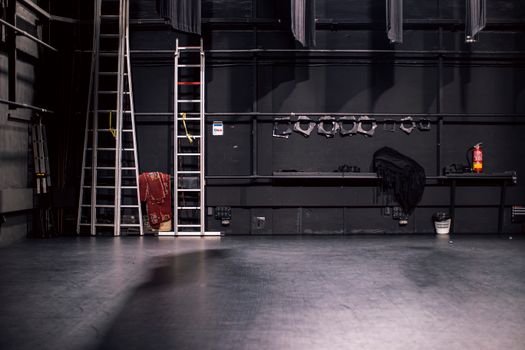
A Stage Manager oversees all aspects of a theatre production once rehearsals begin, ensuring the smooth running of shows. This includes managing schedules, coordinating technical cues, and communicating between the director and various departments like lighting and sound. It requires strong organisational skills and the ability to work under pressure.
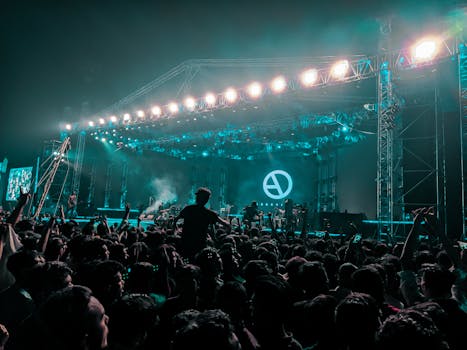
A Lighting Designer is responsible for creating and implementing the lighting plan for a theatre production. This involves interpreting the director's vision, choosing appropriate lighting fixtures, programming lighting desks, and ensuring the lighting enhances the mood and atmosphere of the performance. It combines technical expertise with creative flair.
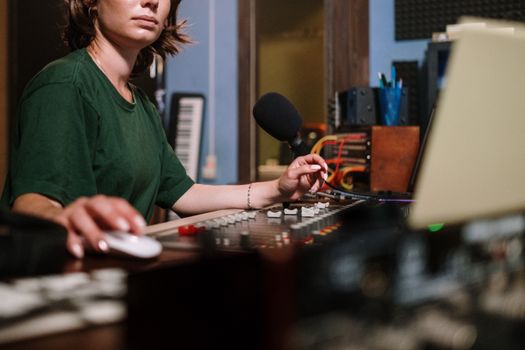
A Sound Engineer in theatre designs and operates the audio systems for productions. This includes selecting microphones, mixing live sound, creating sound effects, and ensuring all audio elements, from dialogue to music, are clear and balanced for the audience. A good ear for acoustics and technical knowledge of sound equipment are essential.
Consider courses or apprenticeships that provide a strong technical base in theatre arts, live events, or electronics.
Many universities and colleges in the UK offer degrees (e.g., BA Hons in Technical Theatre, Production Arts, or Live Event Technology) or BTEC Level 3/4 courses that cover lighting, sound, staging, and health & safety. Apprenticeships in live events or technical theatre are also excellent routes, offering hands-on training while you earn. Look into institutions like Rose Bruford College, Central School of Speech and Drama, or Northern School of Contemporary Dance, or organisations like the National College for Creative Industries for apprenticeships.
Gain practical, hands-on experience by volunteering at local theatres, school productions, or community events.
Early experience is invaluable. Contact local amateur dramatic societies, school drama departments, university theatre groups, or community arts centres. Offer to help with their technical needs. This will allow you to get familiar with equipment, observe experienced technicians, and understand the fast-paced environment of live theatre. Even unpaid roles build your CV and network.
Focus on acquiring practical skills in specific areas like lighting, sound, and stagecraft.
Learn about lighting desks (e.g., ETC, Avolites), sound consoles (e.g., Yamaha, Behringer), rigging techniques, basic electronics, and IT networking for AV. Online tutorials, workshops, and industry manuals can supplement formal training. Familiarise yourself with DMX for lighting and signal flow for sound. Health and safety protocols, especially working at height and manual handling, are critical.
While generalist skills are good, often technicians specialise in an area like lighting design, sound engineering, or stage management.
As you gain experience, you'll likely find a particular area you enjoy or excel in. Dive deeper into that specialism. For example, if it's lighting, learn advanced programming, moving lights, and visualisers. If it's sound, explore wireless microphone systems, mixing for musicals, and system design. Specialising makes you a more valuable asset to a theatre company.
Connect with other theatre professionals, attend industry events, and join relevant associations.
Networking is crucial in the theatre world. Attend trade shows like PLASA Show, industry workshops, and local theatre meet-ups. Join professional bodies like the Association of British Theatre Technicians (ABTT) or the Institute of Professional Sound (IPS). These connections can lead to job opportunities, collaborations, and mentorship.
Document your projects and contributions to showcase your skills and experience.
A portfolio can include photos of lighting plots you've designed or implemented, sound cue sheets, technical drawings, or even short videos of shows you've worked on. Clearly describe your role and contributions to each project. This is especially important if you freelance or move into more senior design-focused roles.
Obtain industry-recognised certifications in health and safety, specific equipment, or advanced techniques.
Consider certifications like the IOSH Working Safely, IPAF (for mobile elevated work platforms), PASMA (for mobile access towers), or specific training from manufacturers for advanced lighting consoles or digital sound desks. These demonstrate competence and commitment to safety, which are highly valued in the industry.
Progress into roles such as Head of Lighting, Head of Sound, Chief Electrician, or Production Manager.
With significant experience, you can move into supervisory or management roles, overseeing technical departments, budgeting, and planning. Alternatively, you might specialise further, becoming a freelance lighting designer, sound designer, or even an AV consultant for events beyond traditional theatre. Continual learning and adapting to new technologies are key to staying competitive.
The theatre industry is constantly evolving, so continuous learning is essential.
Regularly research new equipment, software, and techniques. Attend manufacturer demonstrations, read industry publications, and participate in online forums. Virtual reality, augmented reality, and increasingly sophisticated projection mapping are becoming more common in theatre, so keeping your skills sharp and up-to-date is crucial for long-term success.
Similar to a Theatre Technician, but working on a broader range of live events such as concerts, festivals, conferences, and corporate functions. The core skills in sound, lighting, and stage setup are transferable.

Involves maintaining and operating technical equipment for television, radio, or online broadcasting. While different in medium, it shares the technical problem-solving and equipment handling aspects of theatre work.
Focuses specifically on the creation, construction, and installation of physical sets for productions. This role requires strong carpentry, design, and practical construction skills, often working closely with technical teams for rigging and staging.
Explore relevant apprenticeships that can help you kickstart your career in Theatre Technician. Apprenticeships offer hands-on experience and training while earning a wage.
This page showcases various career options and the pathways to reach them. Each career listed here shares transferable skills and knowledge, making it easier for individuals to transition between them.
Your current career is highlighted to help you see how it fits into the broader landscape of potential career choices. By clicking on any career, you can learn more about it, including the training and education required to pursue it.
Remember, progressing in your career often involves further learning and training. This page provides insights into future career options as well as those that can lead up to your current one.
These career progression decisions are informed by comparing the skills and knowledge needed for different occupations, along with data on how people move between them. Explore the possibilities and discover the exciting journey ahead in your career!
A Theatre Technician's role heavily involves setting up, maintaining, and troubleshooting complex electronic equipment for lighting, sound, and visual effects, aligning closely with the duties of an Electronics engineering technician.
You can get into this job through:
You can do a foundation degree or higher national diploma in electrical and electronic engineering.
You'll usually need:
You could take a college course, which would teach you some of the skills needed in this job.
Relevant courses include:
Entry requirements for these courses vary.
4 or 5 GCSEs at grades 9 to 4 (A* to C), or equivalent, including English and maths for a T Level
You can apply for a place on an apprenticeship to start as a trainee, for example:
You might do a Mechatronics Maintenance Technician Level 3 Advanced Apprenticeship, if you want to work in the service and repair of production line machinery or robotics.
You can also train to be an electronics technician in the Army.
You can apply for a foundation apprenticeship if you're aged 16 to 21.
If you're aged 22 to 24, you can apply if you:
You'll usually need:
You'll find career opportunities in many industries, including:
You can find out more about training and careers in engineering from Tomorrow's Engineers and The Institution of Engineering and Technology.
Explore other careers or use our AI to discover personalised paths based on your interests.
Address
Developing Experts Limited
Exchange Street Buildings
35-37 Exchange Street
Norwich
NR2 1DP
UK
Phone
01603 273515
Email
[email protected]
Copyright 2026 Developing Experts, All rights reserved.

Unlock expert-designed lessons, resources, and assessments tailored for educators. No credit card required.
Claim Your Free Trial →We use cookies to enhance your browsing experience and analyze our traffic. Learn more.
