
You can do a foundation degree or higher national diploma in electrical and electronic engineering.
Entry requirements
You'll usually need:
- 1 or 2 A levels, or equivalent, for a foundation degree or higher national diploma
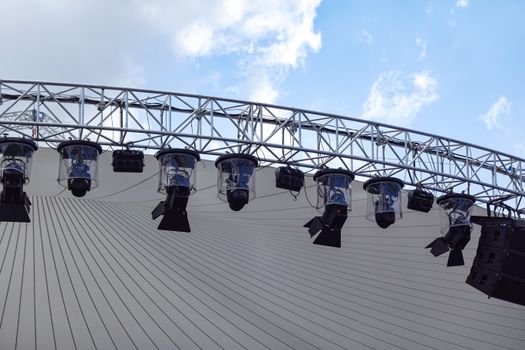
A Theatre Technician is a vital person who works behind the scenes to make sure everything looks and sounds amazing during a show. Imagine going to a play or a concert; the technician is the one who sets up all the lights to create the right mood, makes sure the microphones are working so you can hear the actors, and even helps with the scenery and special effects. They might be rigging lights high above the stage, operating sound desks, or making sure props are in the right place at the right time. It is a very hands-on job where you solve problems and work as part of a team to bring performances to life. This job requires a good eye for detail, quick thinking, and often involves working evenings and weekends when shows are on. You will learn about electricity for lighting, sound engineering, and how to use different tools and equipment safely. It is a fantastic career for someone who loves the magic of live performance but prefers to be behind the scenes rather than on stage, making sure everything runs perfectly for the audience and the performers.
Starting out as a Theatre Technician in the UK, you might expect to earn around 19,000 to 22,000 pounds per year. This can vary depending on where you work and your experience.
With more experience and skill, a Theatre Technician in the UK can earn between 25,000 and 35,000 pounds annually. Senior or specialist roles in bigger venues can earn even more.
While it can be a competitive field, there are many opportunities across the UK in theatres, live music venues, schools, and event companies, with new roles regularly advertised for various productions.
This role focuses on designing and setting up all the lights for a show, from bright spotlights to colourful effects. You would learn how to use lighting boards and make the stage look amazing.

If you love music and sound, this could be for you! You would be in charge of all the microphones, speakers, and sound effects for a performance, making sure everyone can hear clearly and the show sounds perfect.

This is a great way to learn about everything that goes on backstage. You would help the main Stage Manager with things like props, cues, and making sure the show runs smoothly from behind the scenes.
Go to plays, musicals, and concerts to see what happens on stage and how everything looks and sounds.
Attending live performances is a brilliant way to understand the magic of theatre. Pay attention not just to the actors, but also how the lights change, where sounds come from, and how the scenery looks. Think about what goes into creating the atmosphere for the show you are watching. You can often find affordable tickets or even free school performances.
Volunteer to help with the lighting, sound, or set design for school plays or assemblies.
Your school's drama club or music department will likely put on shows. Offer to help out backstage, even if it's just moving props or helping with costumes at first. This is a great way to get hands-on experience and learn from older students or teachers who know about technical theatre. Every little bit of experience counts.
Learn more about what a Theatre Technician actually does day-to-day by looking online or talking to people.
Use websites like the National Careers Service (UK) or careers resources from theatre organisations to read about the duties, skills, and qualifications needed. You might find interviews with actual Theatre Technicians describing their jobs. If possible, ask a teacher if they know anyone working in theatre you could chat to about their experiences.
Get involved in community theatre groups, youth drama clubs, or local events that need technical support.
Many local theatre groups welcome volunteers of all ages. This is an amazing opportunity to learn how to operate lighting and sound desks, build sets, or manage props in a real working environment. The more hands-on experience you gain, the more comfortable and skilled you'll become. Don't be afraid to ask questions and try new things.
Focus on subjects at school like Design and Technology, Physics, or IT that teach useful skills.
Subjects like Design and Technology can help you understand how to build things and work with different materials, which is key for set construction. Physics will teach you about electricity and sound, which is vital for lighting and audio. IT skills are becoming increasingly important for controlling modern theatre equipment. These subjects provide a great foundation.
Explore simple design software or sound editing tools that can be used in theatre.
There are many free or low-cost software programmes available that can help you learn the basics of lighting design (like CAD software), sound editing (like Audacity), or even digital stage management. Getting familiar with these tools early on will give you a head start when you encounter professional equipment later. Look for online tutorials.
Look into college courses, apprenticeships, or university degrees in technical theatre or production.
After school, there are many paths. A BTEC or similar college course in Production Arts or Technical Theatre can give you a strong practical foundation. Apprenticeships allow you to learn on the job while earning a wage. If you prefer a more academic route, a university degree in Technical Theatre or Stage Management could be an option. Research what suits you best.
Seek out work experience placements at local theatres, arts venues, or production companies.
Contact local theatres, arts centres, or even touring production companies to see if they offer work experience. Even a short placement can provide invaluable insight into a professional environment and help you make connections. You'll see how a real technical team operates and learn about safety procedures and professional standards.
Keep a record of all the projects you've worked on, including photos, videos, and descriptions.
A portfolio is like a showcase of your best work. Take photos of sets you've helped build, make notes about the lighting designs you've worked on, or describe the sound systems you've operated. This will be very useful when applying for jobs, courses, or apprenticeships, as it shows off your skills and commitment to technical theatre.
A Lighting Designer focuses specifically on creating the lighting plan for a show, deciding where lights go, what colours to use, and how they change to tell the story or set the mood. They work closely with the director.

A Sound Engineer specialises in all things audio, from making sure actors can be heard clearly to adding sound effects and music. They operate complex sound desks during performances and manage audio equipment.

A Stage Manager is like the organiser of the whole show, making sure everything backstage runs smoothly. They coordinate the actors, technicians, and props, calling cues for lights and sound during performances.
Explore relevant apprenticeships that can help you kickstart your career in Theatre Technician. Apprenticeships offer hands-on experience and training while earning a wage.
This page showcases various career options and the pathways to reach them. Each career listed here shares transferable skills and knowledge, making it easier for individuals to transition between them.
Your current career is highlighted to help you see how it fits into the broader landscape of potential career choices. By clicking on any career, you can learn more about it, including the training and education required to pursue it.
Remember, progressing in your career often involves further learning and training. This page provides insights into future career options as well as those that can lead up to your current one.
These career progression decisions are informed by comparing the skills and knowledge needed for different occupations, along with data on how people move between them. Explore the possibilities and discover the exciting journey ahead in your career!
A Theatre Technician is responsible for the setup, operation, and maintenance of lighting, sound, and other electronic equipment for performances, which closely aligns with the duties of an Electronics engineering technician who works with the assembly, maintenance, and repair of electronic systems and components.
You can get into this job through:
You can do a foundation degree or higher national diploma in electrical and electronic engineering.
You'll usually need:
You could take a college course, which would teach you some of the skills needed in this job.
Relevant courses include:
Entry requirements for these courses vary.
4 or 5 GCSEs at grades 9 to 4 (A* to C), or equivalent, including English and maths for a T Level
You can apply for a place on an apprenticeship to start as a trainee, for example:
You might do a Mechatronics Maintenance Technician Level 3 Advanced Apprenticeship, if you want to work in the service and repair of production line machinery or robotics.
You can also train to be an electronics technician in the Army.
You can apply for a foundation apprenticeship if you're aged 16 to 21.
If you're aged 22 to 24, you can apply if you:
You'll usually need:
You'll find career opportunities in many industries, including:
You can find out more about training and careers in engineering from Tomorrow's Engineers and The Institution of Engineering and Technology.
Explore other careers or use our AI to discover personalised paths based on your interests.
Address
Developing Experts Limited
Exchange Street Buildings
35-37 Exchange Street
Norwich
NR2 1DP
UK
Phone
01603 273515
Email
[email protected]
Copyright 2026 Developing Experts, All rights reserved.

Unlock expert-designed lessons, resources, and assessments tailored for educators. No credit card required.
Claim Your Free Trial →We use cookies to enhance your browsing experience and analyze our traffic. Learn more.
