
You can do a foundation degree or higher national diploma in electrical and electronic engineering.
Entry requirements
You'll usually need:
- 1 or 2 A levels, or equivalent, for a foundation degree or higher national diploma
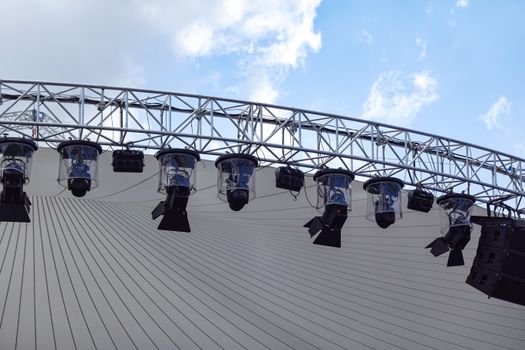
Imagine going to see a play or a concert, and everything looks amazing, the sound is just right, and all the special effects happen at the perfect moment! That is thanks to a Theatre Technician. These clever people work behind the scenes to make sure everything on stage runs smoothly. They help set up the lights to create different moods, manage the sound so everyone can hear clearly, and sometimes even help build parts of the set. They might also make sure the microphones work or get special props ready. It is a very exciting job where you get to be part of making magic happen for an audience, often working evenings and weekends when shows are on.
A new Theatre Technician in the UK might earn around 18,000 to 22,000 pounds a year.
With more experience, a Theatre Technician can earn between 25,000 and 35,000 pounds a year, sometimes more for very senior roles.
There are usually hundreds of jobs advertised each year across the UK for Theatre Technicians, in many different theatres and venues.

Helping to move scenery and props on and off the stage during a play, making sure everything is in the right place at the right time. It's like being a helper backstage!

Learning how to make the lights change colour and brightness during a show to create different moods. You might help point the lights or set up the equipment.

Creating and playing sounds for a show, like thunder, birds singing, or a door creaking open. You'd help the sound engineer make the play sound exciting!
Go and see a play or a musical at a local theatre or school to see what goes on both on stage and how the lights and sound work.
Many local theatres have special open days or tours where you can go backstage and see how all the technical equipment works. You might even meet some of the technicians! Ask grown-ups if they can take you. Seeing a show can spark your imagination and help you understand how important the behind-the-scenes team is to making the magic happen. Pay attention to how the lights change and how the sound helps tell the story.
Put your hand up to help with your school's plays or drama club. You could help with props, moving scenery, or even being a runner backstage.
Even if your school doesn't have a specific 'tech crew', there are always jobs to do! You could help gather props, paint scenery, or even just be a helpful pair of hands to move things around. This is a brilliant way to see how everyone works together and to get a feel for what it's like backstage. You'll learn about teamwork and timing, which are super important for theatre technicians.
Start to notice how lights and sounds are used in your favourite TV shows or movies. Think about why certain sounds make you feel happy or scared.
When you watch TV, movies, or even play games, pay attention to how the lights change to set a mood (bright for happy, dark for scary) and how different sounds make you feel. Is the music exciting or calm? Does a certain sound effect make you jump? This helps you understand how lighting and sound can tell a story and create emotions for an audience. You could even try making your own sound effects with things around the house!
Look for special workshops or summer camps that teach about theatre, especially the backstage parts like lighting or sound.
Some theatres or drama schools offer holiday workshops where you can learn specific skills like how to use a spotlight, set up a microphone, or even build a small piece of scenery. These camps are often designed for young people and are a great way to meet others who love theatre and learn from grown-ups who are experts. It's a fun way to get hands-on experience and try out different technical jobs.
Learn about why it's super important to be safe when working with equipment and around a stage. Grown-ups will always show you how.
Theatre equipment, like lights and sound gear, can be quite big and needs to be handled carefully. You'll learn about things like not tripping over wires, lifting heavy things safely (always with a grown-up's help!), and making sure everything is plugged in correctly. Safety is the most important rule in theatre to make sure everyone stays safe and the show can go on without any accidents.
Try making your own simple 'special effects' at home, like making shadows with a torch or creating funny sounds with different objects.
You can be a mini theatre technician right at home! Grab a torch and try making shadows on a wall to tell a story. Use different objects like tin cans, paper, or even your voice to make silly or scary sound effects. This helps you understand how simple things can create big effects and gets your creative juices flowing for future theatre projects. It's all about experimenting and having fun with light and sound!
Keep helping out with plays and shows as you get older, whether it's at school, a youth theatre, or a local community group.
The more you help, the more you'll learn! As you grow, you'll be given more responsibility and learn how to use more complex equipment. You might even get to operate the lighting desk or the sound mixer for a show. This practical experience is incredibly valuable and helps you build a 'portfolio' of what you can do, showing everyone you're a capable and enthusiastic technician.
When you're older, you could look into colleges or universities that have courses specifically for theatre technicians.
Once you finish school, there are special courses you can take at colleges and universities that teach you all about theatre technology in much more detail. These courses can help you become an expert in lighting, sound, stage management, or set design. They often include lots of practical work and even opportunities to work on professional shows. This can lead to a really exciting career backstage!
Meet and talk to other people who love theatre, especially those who work backstage. They can teach you lots of new things!
Going to theatre events, helping out on shows, and attending workshops will help you meet lots of different people who work in theatre. They can give you advice, tell you about job opportunities, and even become mentors. These connections are super important in the theatre world and can open many doors for your future career as a theatre technician. Don't be shy to ask questions and show your enthusiasm!
Someone who plans all the lights for a show, deciding where they go and what colours to use to tell the story.

This person is an expert in making sure all the music and talking in a show sound perfect, making sure it is not too loud or too quiet.

The Stage Manager makes sure everything on stage happens at the right time during a show, like props being in place or actors entering.
Explore relevant apprenticeships that can help you kickstart your career in Theatre Technician. Apprenticeships offer hands-on experience and training while earning a wage.
This page showcases various career options and the pathways to reach them. Each career listed here shares transferable skills and knowledge, making it easier for individuals to transition between them.
Your current career is highlighted to help you see how it fits into the broader landscape of potential career choices. By clicking on any career, you can learn more about it, including the training and education required to pursue it.
Remember, progressing in your career often involves further learning and training. This page provides insights into future career options as well as those that can lead up to your current one.
These career progression decisions are informed by comparing the skills and knowledge needed for different occupations, along with data on how people move between them. Explore the possibilities and discover the exciting journey ahead in your career!
A Theatre Technician's role heavily involves setting up, maintaining, and troubleshooting complex electronic equipment for lighting, sound, and visual effects, which aligns closely with the duties of an Electronics engineering technician.
You can get into this job through:
You can do a foundation degree or higher national diploma in electrical and electronic engineering.
You'll usually need:
You could take a college course, which would teach you some of the skills needed in this job.
Relevant courses include:
Entry requirements for these courses vary.
4 or 5 GCSEs at grades 9 to 4 (A* to C), or equivalent, including English and maths for a T Level
You can apply for a place on an apprenticeship to start as a trainee, for example:
You might do a Mechatronics Maintenance Technician Level 3 Advanced Apprenticeship, if you want to work in the service and repair of production line machinery or robotics.
You can also train to be an electronics technician in the Army.
You can apply for a foundation apprenticeship if you're aged 16 to 21.
If you're aged 22 to 24, you can apply if you:
You'll usually need:
You'll find career opportunities in many industries, including:
You can find out more about training and careers in engineering from Tomorrow's Engineers and The Institution of Engineering and Technology.
Explore other careers or use our AI to discover personalised paths based on your interests.
Address
Developing Experts Limited
Exchange Street Buildings
35-37 Exchange Street
Norwich
NR2 1DP
UK
Phone
01603 273515
Email
[email protected]
Copyright 2026 Developing Experts, All rights reserved.

Unlock expert-designed lessons, resources, and assessments tailored for educators. No credit card required.
Claim Your Free Trial →We use cookies to enhance your browsing experience and analyze our traffic. Learn more.
