
Creating Career Path...

Finding Further Careers...

Forest Ranger

View this career for different education levels:

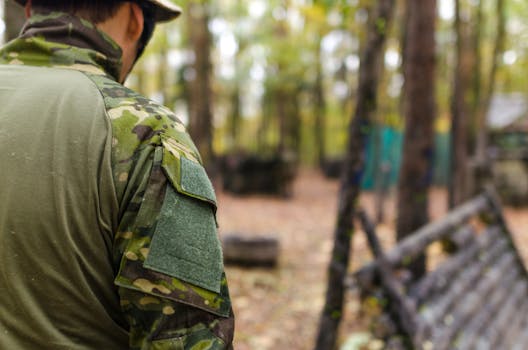
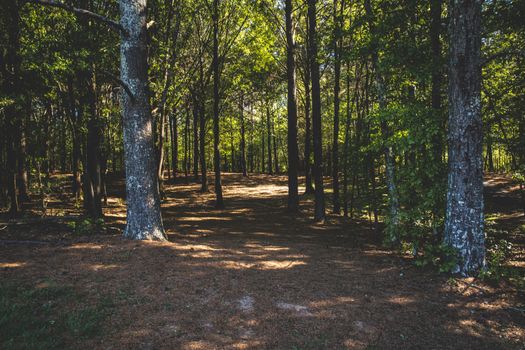
Imagine spending your days surrounded by tall trees, listening to birds sing, and helping to look after amazing wildlife! That's a bit like what a Forest Ranger does. They are like guardians of our forests and woodlands here in the UK. A Forest Ranger makes sure that our forests are healthy and safe for everyone, including the plants and animals that live there. They might help plant new trees, clear paths so people can walk through the woods, and check on wild animals to make sure they are okay. They also help teach people about nature and why it's important to look after our green spaces. It's a job that involves being outdoors a lot, using tools, and being friendly to people who visit the forests.

Forest Ranger

Flag Media

Please select a reason for flagging this content.

📊 Statistics

Salary for a Forest Ranger

A Forest Ranger in the UK might start by earning around 18,000 to 22,000 pounds a year. As they get more experienced, this can go up to 28,000 to 35,000 pounds or even more.

Number of Jobs

While exact numbers change, there are hundreds of Forest Ranger type jobs across the UK, especially with organisations like Forestry England, National Parks, and various wildlife trusts.

Working Hours

Forest Rangers often work about 37 to 40 hours a week. Sometimes they need to work on weekends or holidays, especially when looking after animals or helping visitors.

🚀 Careers in this path

Flag Media

Please select a reason for flagging this content.

Woodland Warden

A Woodland Warden looks after small woods and forests, making sure the trees are healthy and the paths are safe for people and animals to use. They might help plant new trees too.

Flag Media

Please select a reason for flagging this content.

Nature Reserve Officer

A Nature Reserve Officer takes care of special places where wild animals and plants live. They help protect the creatures and make sure their homes are safe from harm.

Flag Media

Please select a reason for flagging this content.

Park Ranger

A Park Ranger works in a local park, helping to keep it tidy, looking after the flowers and trees, and making sure everyone enjoys their visit safely. They might organise fun activities too.

Learning About Nature

Explore Your Local Park or Woods

Spend time outside in a park or a small wooded area near your home. Look at the different trees, leaves, and flowers. Try to spot birds or squirrels and listen to the sounds of nature.

When you visit a park or woods, try to use your senses! What can you smell? What sounds can you hear? Can you feel the rough bark of a tree or the soft grass? You could even draw pictures of the plants and animals you see. Remember to always go with a grown-up and stay on the paths to keep yourself and the forest safe.

Read Books About Forests and Animals

Find exciting books at the library or at home that teach you about forests, trees, birds, and other animals. Learn their names and how they live.

There are so many wonderful books that can tell you all about the natural world! Look for books with colourful pictures of different trees, flowers, and forest creatures like foxes, badgers, and deer. You can learn about how different animals build their homes, what they eat, and how they help the forest. The more you read, the more you'll know!

Join a Nature Club or Group

Ask a grown-up if there's a nature club or a Cub Scout group you can join. These groups often go on nature walks and do fun activities to learn about the environment.

Nature clubs are brilliant because you get to meet other children who also love nature! You might go on scavenger hunts to find different leaves, learn how to identify bird calls, or even help plant a small tree. These activities are not only fun but also teach you important skills for understanding and protecting our natural spaces. It's a great way to make friends and learn more about being a mini-ranger.

Helping Our Planet

Help Keep Your Area Clean

Pick up litter in your garden, park, or school playground. Remember to always put rubbish in the bin or recycle it properly.

Picking up litter might seem like a small thing, but it makes a huge difference! Rubbish can be dangerous for animals if they try to eat it or get tangled in it. When you throw your rubbish in the bin, you're helping to keep the environment safe and clean for everyone, including wildlife. Always ask a grown-up for help and use gloves if you're picking up litter outside.

Learn About Recycling

Understand what things can be recycled at home, like plastic bottles, paper, and cardboard, and help your grown-ups sort them out.

Recycling is super important because it helps save trees and other natural resources. When we recycle paper, we don't have to cut down as many new trees. When we recycle plastic, we use less oil. Learning what goes into which recycling bin is a fantastic way to protect our planet. You could even be the recycling expert in your family!

Grow a Plant or a Small Tree

Plant a seed and watch it grow into a plant, or help plant a small tree. Learn how to look after it by giving it water and sunlight.

Growing your own plant or tree is a wonderful way to understand how plants work and how important they are. You'll see how they need sun, water, and soil to grow big and strong, just like we need food and drink. Trees are especially amazing because they give us fresh air to breathe and homes for many animals. It's like having your own mini-forest project!

Skills for a Future Ranger

Learn How to Follow Maps (Simple Ones)

Practice following simple maps, like a treasure map in the garden or a map of a fun park. This helps you learn about directions and finding your way.

Forest Rangers need to know their way around big forests, so learning to read maps is a great skill! You can start with simple maps, like drawing a map of your house and showing where different rooms are, or a map of your garden to find a hidden 'treasure'. Understanding how maps work helps you think about directions like 'north' or 'south' and how to get from one place to another. It's like being a detective!

Practice Being Helpful and Kind

Always try to be helpful to others and kind to animals. Forest Rangers are friendly people who look after everyone and everything in the forest.

Being a good Forest Ranger isn't just about knowing facts about nature; it's also about being a kind and helpful person. You might need to help someone who is lost, explain something about nature to a visitor, or even help an animal that's in trouble. Practising kindness and helpfulness now will make you a wonderful helper in the future, whether it's for people or animals.

Stay Active and Strong

Play outside, run around, and do lots of fun activities that keep your body moving and strong. Forest Rangers often walk long distances!

Forest Rangers spend a lot of time walking, hiking, and exploring different parts of the forest. Sometimes they have to climb hills or carry equipment. Staying active now by playing sports, riding your bike, or just running around in the park will help you build the strength and energy you'll need for such an exciting job. Remember to drink lots of water and eat healthy food to keep your body ready for adventures!

🎬 Useful Videos

🎯 View Apprenticeships

Explore relevant apprenticeships that can help you kickstart your career in Forest Ranger. Apprenticeships offer hands-on experience and training while earning a wage.

Career Progressions

This page showcases various career options and the pathways to reach them. Each career listed here shares transferable skills and knowledge, making it easier for individuals to transition between them.

Your current career is highlighted to help you see how it fits into the broader landscape of potential career choices. By clicking on any career, you can learn more about it, including the training and education required to pursue it.

Remember, progressing in your career often involves further learning and training. This page provides insights into future career options as well as those that can lead up to your current one.

These career progression decisions are informed by comparing the skills and knowledge needed for different occupations, along with data on how people move between them. Explore the possibilities and discover the exciting journey ahead in your career!

Sample Qualifications

A Forest Ranger's duties often involve patrolling, conservation, and public engagement within natural areas, which aligns closely with the role of a Countryside Ranger in the UK, focusing on managing and protecting rural landscapes and engaging with visitors.

How to become

You can get into this job through:

  • a university course
  • a college course
  • an apprenticeship
  • applying directly

University

You could take a foundation degree, higher national diploma or degree before applying for a countryside ranger job.

Relevant courses include:

  • environmental studies
  • rural resource management
  • countryside management
  • conservation

Entry requirements

You'll usually need:

  • 1 or 2 A levels, or equivalent, for a foundation degree or higher national diploma
  • 2 to 3 A levels, or equivalent, for a degree

More Information

College

You may be able to get into this job after doing a course at an agricultural or land based college.

Courses include:

  • environmental and conservation skills
  • countryside management
  • T Level in Agriculture, Land Management and Production

Entry requirements

Entry requirements for these courses vary.

  • 4 or 5 GCSEs at grades 9 to 4 (A* to C), or equivalent, including English and maths for a T Level

More Information

Apprenticeship

You could apply to do an apprenticeship, for example:

  • Countryside Worker Level 2 Intermediate Apprenticeship
  • Forest Craftsperson Level 3 Advanced Apprenticeship
  • Countryside Ranger Level 4 Higher Apprenticeship

These take between 1 and 3 years to complete.

Entry requirements

You'll usually need:

  • some GCSEs, usually including English and maths, or equivalent, for an intermediate apprenticeship
  • 5 GCSEs at grades 9 to 4 (A* to C), or equivalent, including English and maths, for an advanced apprenticeship
  • 4 or 5 GCSEs at grades 9 to 4 (A* to C) and A levels, or equivalent, for a higher or degree apprenticeship

More Information

Volunteering

You could get useful experience by volunteering through:

This may give you an advantage when looking for work.

Direct Application

You could apply for a position as an assistant ranger in a national park or with an organisation like the National Trust. Once working, you may be offered the opportunity to do further training to become a ranger.

You'll be expected to have some paid or voluntary experience of working in the countryside or conservation, and a love of working outdoors.

More Information

Career tips

A first aid qualification may help when applying for jobs.

Professional and industry bodies

You could join the Countryside Management Association for professional development training and to build up your contacts.

Further information

You can find more details about working in the countryside from The National Trust and Green Jobs for Nature.

Interested in More Career Paths?

Explore other careers or use our AI to discover personalised paths based on your interests.

Stay connected

Join our newsletter to stay up to date on features and releases

Address
Developing Experts Limited
Exchange Street Buildings
35-37 Exchange Street
Norwich
NR2 1DP
UK

Phone
01603 273515

Email
[email protected]

Copyright 2026 Developing Experts, All rights reserved.
