

Creating Career Path...

Finding Further Careers...

Forest Ranger

View this career for different education levels:

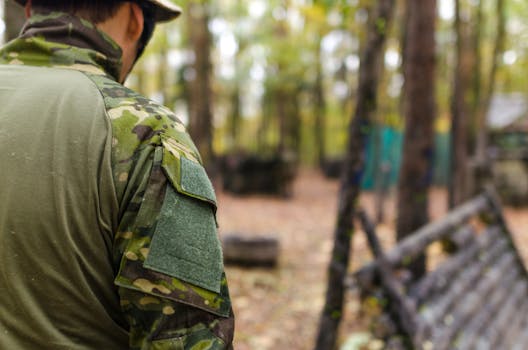
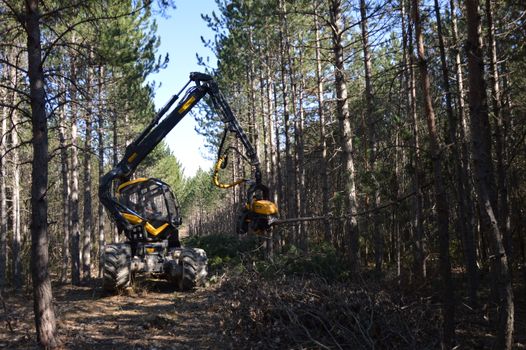
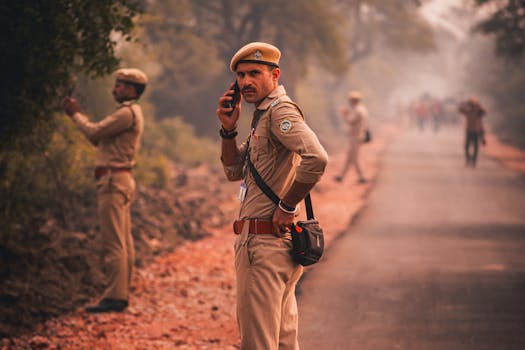
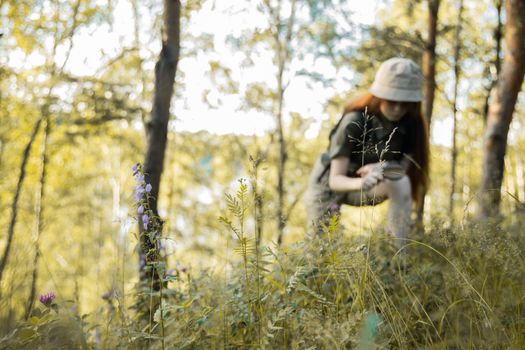
A Forest Ranger in the UK plays a crucial role in managing, protecting, and promoting the health and accessibility of forests, woodlands, and other natural spaces. This isn't just about patrolling; it's a dynamic job that involves a mix of practical outdoor work, public engagement, and ecological management. Daily tasks might include maintaining footpaths and trails, monitoring wildlife and plant health, managing invasive species, and helping to prevent forest fires. You'd also be responsible for engaging with the public, providing information to visitors, organising educational programmes, and enforcing regulations to ensure responsible use of the forest. Much of the work is physically demanding and requires a good level of fitness, an ability to work outdoors in all weather conditions, and a deep passion for nature and conservation.

Forest Ranger

Flag Media

Please select a reason for flagging this content.

📊 Statistics

Salary Range (UK)

Starting salaries for a Forest Ranger in the UK can typically range from around 18,000 to 24,000 GBP per year. With experience, this can rise to 25,000 to 35,000 GBP, and senior roles or specialist positions might offer more.

Number of Positions / Job Market

While exact figures for 'Forest Ranger' are specific, related roles such as 'Ranger', 'Countryside Officer', or 'Woodland Officer' often have a moderately competitive job market in the UK. Many positions are with organisations like the Forestry Commission, National Parks, National Trust, and local councils.

Typical Working Hours

Most Forest Rangers work standard full-time hours (around 37-40 hours per week), but flexibility is often required. This can include early mornings, evenings, weekends, and public holidays, especially during peak seasons or for specific events and emergencies.

🚀 Careers in this path

Flag Media

Please select a reason for flagging this content.

Arboricultural Officer

An Arboricultural Officer specialises in the management, care, and protection of trees within urban and rural settings. This role involves tree health assessments, planning for new tree planting, and advising on tree preservation orders. It often requires a strong understanding of tree biology, forestry practices, and relevant environmental legislation, making it a more focused path than a general ranger.

Flag Media

Please select a reason for flagging this content.

Woodland Officer

A Woodland Officer focuses on the sustainable management of forests and woodlands, often with an emphasis on timber production, biodiversity conservation, and public access. This role might involve surveying woodlands, creating management plans, overseeing felling and planting operations, and engaging with landowners and local communities. It's a progression from a general ranger, with a deeper dive into forest management.

Flag Media

Please select a reason for flagging this content.

Conservation Ranger

While 'Forest Ranger' is broad, a Conservation Ranger often has a more specific focus on ecological conservation within a designated area, which could include forests, but also wetlands, coasts, or moors. This involves wildlife monitoring, habitat management, leading conservation projects, and educating the public on biodiversity and environmental protection. It's an excellent pathway for someone passionate about ecological preservation within a ranger role.

Build a Foundational Skillset

Gain Relevant Education

Pursue academic qualifications that provide a strong understanding of environmental science, conservation, and land management.

Consider a college diploma (e.g., BTEC Level 3 in Countryside Management) or a university degree (Bachelor's or Master's) in subjects like Forestry, Countryside Management, Environmental Conservation, Ecology, or similar fields. These programmes will equip you with theoretical knowledge and practical skills essential for the role. Look for courses that include modules on wildlife identification, habitat restoration, land surveying, and sustainable management practices.

Volunteer and Work Experience

Actively seek out volunteer placements or entry-level roles in conservation or outdoor settings to gain hands-on experience.

Volunteering with organisations like the National Trust, Woodland Trust, local wildlife trusts, or community woodland groups is invaluable. This provides practical experience in tasks such as trail maintenance, tree planting, habitat monitoring, and engaging with the public. Even short-term placements can demonstrate your commitment and build a network within the sector. Look for 'Assistant Ranger' or 'Conservation Volunteer' roles.

Develop Practical Skills

Acquire practical outdoor skills and certifications necessary for working safely and effectively in natural environments.

Key practical skills include first aid, basic navigation (map and compass), chainsaw operation (NPTC certification), brushcutter use, and off-road driving. Look into qualifications like Lantra or NPTC certifications for machinery operation. Strong communication skills, problem-solving, and the ability to work independently or as part of a team are also crucial. Physical fitness is important due to the demanding nature of the work.

Secure Entry-Level Roles

Apply for Assistant Ranger Positions

Begin by applying for assistant or trainee ranger roles to get your foot in the door and learn on the job.

These positions are often advertised by local councils, national parks, wildlife trusts, and large landowners. They provide an excellent opportunity to gain direct experience under the supervision of experienced rangers. Responsibilities might include assisting with visitor management, maintenance tasks, and small conservation projects. Highlight your volunteer experience and practical skills in your applications.

Network Professionally

Connect with professionals in the forestry and conservation sector to learn about opportunities and gain insights.

Attend industry events, conferences, and workshops related to conservation, ecology, and land management. Join professional bodies or online forums. Networking can lead to direct job opportunities, mentorship, and valuable advice. Organisations like the Institute of Chartered Foresters (ICF) or the Ranger Service provide excellent platforms for networking and professional development.

Undertake Specialised Training

Pursue additional certifications or training relevant to specific aspects of forest ranger work.

Depending on your interests and local needs, consider training in areas such as wildlife monitoring techniques, tree climbing and aerial rescue, ecological surveying, or environmental education. These specialised skills can make you a more attractive candidate for specific roles and open up opportunities for career progression. Look for courses offered by reputable environmental training providers.

Advance Your Career

Seek Ranger or Senior Ranger Roles

With experience, apply for full Ranger positions and eventually aim for Senior Ranger or Wardening roles.

As you gain several years of experience and develop a comprehensive skill set, you will be well-placed to apply for full Forest Ranger or Countryside Ranger positions. These roles often involve greater responsibility, including leading projects, managing volunteers, and engaging more extensively with the community and stakeholders. Senior roles may involve site management and strategic planning.

Continue Professional Development

Stay current with best practices and new developments in conservation and land management through ongoing learning.

The field of conservation is constantly evolving. Attend workshops, seminars, and short courses on topics like GIS mapping, advanced ecological surveying, biodiversity management, or climate change adaptation. Continuing professional development (CPD) demonstrates your commitment to the profession and enhances your expertise, making you a stronger candidate for leadership roles. Keep an eye on publications from organisations like Natural England.

Specialise or Manage

Choose to specialise in a particular area or move into management within the ranger service.

Depending on your career aspirations, you might choose to specialise in a particular area such as wildlife management, visitor experience, education and engagement, or ecological restoration. Alternatively, you could pursue management roles like Head Ranger, Estate Manager, or Area Manager, which involve overseeing teams, budgets, and strategic planning for larger sites or multiple locations. Leadership skills and project management become increasingly important here.

🎬 Useful Videos

🎯 View Apprenticeships

Explore relevant apprenticeships that can help you kickstart your career in Forest Ranger. Apprenticeships offer hands-on experience and training while earning a wage.

Career Progressions

This page showcases various career options and the pathways to reach them. Each career listed here shares transferable skills and knowledge, making it easier for individuals to transition between them.

Your current career is highlighted to help you see how it fits into the broader landscape of potential career choices. By clicking on any career, you can learn more about it, including the training and education required to pursue it.

Remember, progressing in your career often involves further learning and training. This page provides insights into future career options as well as those that can lead up to your current one.

These career progression decisions are informed by comparing the skills and knowledge needed for different occupations, along with data on how people move between them. Explore the possibilities and discover the exciting journey ahead in your career!

Sample Qualifications

A Forest Ranger's duties primarily involve patrolling and maintaining natural areas, often engaging with the public and managing visitor activities, which closely aligns with the role of a Countryside Ranger.

How to become

You can get into this job through:

  • a university course
  • a college course
  • an apprenticeship
  • applying directly

University

You could take a foundation degree, higher national diploma or degree before applying for a countryside ranger job.

Relevant courses include:

  • environmental studies
  • rural resource management
  • countryside management
  • conservation

Entry requirements

You'll usually need:

  • 1 or 2 A levels, or equivalent, for a foundation degree or higher national diploma
  • 2 to 3 A levels, or equivalent, for a degree

More Information

College

You may be able to get into this job after doing a course at an agricultural or land based college.

Courses include:

  • environmental and conservation skills
  • countryside management
  • T Level in Agriculture, Land Management and Production

Entry requirements

Entry requirements for these courses vary.

  • 4 or 5 GCSEs at grades 9 to 4 (A* to C), or equivalent, including English and maths for a T Level

More Information

Apprenticeship

You could apply to do an apprenticeship, for example:

  • Countryside Worker Level 2 Intermediate Apprenticeship
  • Forest Craftsperson Level 3 Advanced Apprenticeship
  • Countryside Ranger Level 4 Higher Apprenticeship

These take between 1 and 3 years to complete.

Entry requirements

You'll usually need:

  • some GCSEs, usually including English and maths, or equivalent, for an intermediate apprenticeship
  • 5 GCSEs at grades 9 to 4 (A* to C), or equivalent, including English and maths, for an advanced apprenticeship
  • 4 or 5 GCSEs at grades 9 to 4 (A* to C) and A levels, or equivalent, for a higher or degree apprenticeship

More Information

Volunteering

You could get useful experience by volunteering through:

This may give you an advantage when looking for work.

Direct Application

You could apply for a position as an assistant ranger in a national park or with an organisation like the National Trust. Once working, you may be offered the opportunity to do further training to become a ranger.

You'll be expected to have some paid or voluntary experience of working in the countryside or conservation, and a love of working outdoors.

More Information

Career tips

A first aid qualification may help when applying for jobs.

Professional and industry bodies

You could join the Countryside Management Association for professional development training and to build up your contacts.

Further information

You can find more details about working in the countryside from The National Trust and Green Jobs for Nature.

Interested in More Career Paths?

Explore other careers or use our AI to discover personalised paths based on your interests.

Stay connected

Join our newsletter to stay up to date on features and releases

Address
Developing Experts Limited
Exchange Street Buildings
35-37 Exchange Street
Norwich
NR2 1DP
UK

Phone
01603 273515

Email
[email protected]

Copyright 2026 Developing Experts, All rights reserved.
