
Creating Career Path...

Finding Further Careers...

Wildlife Biologist

View this career for different education levels:

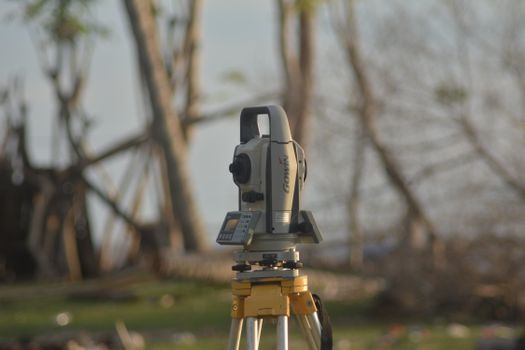
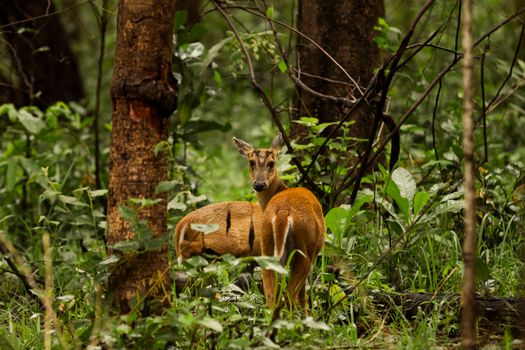
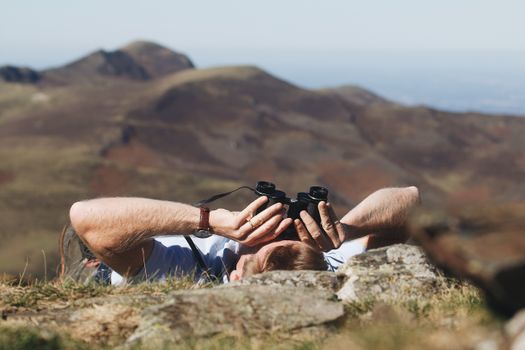
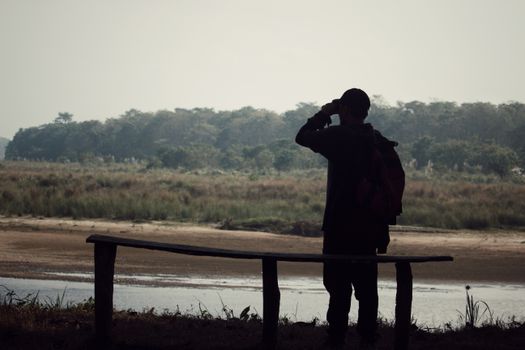
A Wildlife Biologist in the UK is deeply involved in studying animals and their habitats to understand their behaviour, population dynamics, and interactions within ecosystems. This career often involves a mix of fieldwork and laboratory or office-based tasks. Fieldwork might include conducting surveys to monitor wildlife populations, collecting samples for analysis, tracking animals, and assessing the impact of human activities on natural environments. You could find yourself working in diverse locations, from national parks and nature reserves to urban green spaces. Beyond data collection, a key aspect of the role is analysing findings to inform conservation strategies and policy. Wildlife Biologists often contribute to environmental impact assessments, design habitat restoration projects, and educate the public about wildlife protection. Strong analytical skills, a meticulous approach to research, and excellent communication abilities are crucial, as you will frequently collaborate with other scientists, government bodies, conservation organisations, and local communities.

Wildlife Biologist

Flag Media

Please select a reason for flagging this content.

📊 Statistics

Average Starting Salary

For entry-level positions in the UK, a Wildlife Biologist can typically expect to earn between 18,000 to 25,000 GBP per year.

Experienced Professional Salary

With several years of experience, a Wildlife Biologist in the UK can earn between 28,000 to 45,000 GBP annually, with senior roles or specialist positions potentially exceeding 50,000 GBP.

Number of Job Postings

While exact real-time figures fluctuate, job boards in the UK typically show hundreds of roles related to wildlife, ecology, and conservation available at any given time, reflecting a competitive but active job market.

🚀 Careers in this path

Flag Media

Please select a reason for flagging this content.

Ecologist

An Ecologist studies the relationships between living organisms and their environment, often focusing on conservation and habitat management. This role involves fieldwork, data analysis, and developing strategies to protect biodiversity, suitable for a 21-year-old with a passion for wildlife science.

Flag Media

Please select a reason for flagging this content.

Conservation Scientist

A Conservation Scientist works to protect and manage natural resources, including wildlife populations and their habitats. This could involve research, policy development, and practical conservation projects, offering a tangible impact for a young professional keen on practical application of biology.

Flag Media

Please select a reason for flagging this content.

Zoo or Wildlife Park Biologist

This role focuses on the welfare, breeding, and conservation of animals within a zoo or wildlife park setting. It involves direct animal care, behavioural observation, research, and educating the public, providing a hands-on experience for a 21-year-old interested in specific animal species and public engagement.

Educational Foundation

Attain a Relevant Undergraduate Degree

Secure a Bachelor's degree in a relevant scientific field to build foundational knowledge.

Start by pursuing a Bachelor's degree (BSc) in a subject such as Biology, Zoology, Ecology, Environmental Science, or Conservation Biology. Look for programmes accredited by professional bodies or those with strong practical fieldwork components. Research universities that have good reputations for biological sciences and offer modules specifically related to wildlife, such as animal behaviour, population genetics, or ecosystem management.

Gain Practical Experience through Volunteering

Volunteer with wildlife organisations to get hands-on experience and develop practical skills.

While studying, actively seek volunteering opportunities with local wildlife trusts, conservation charities (e.g., RSPB, National Trust, Wildlife Trusts), zoos, or environmental consultancies. This will provide invaluable experience in survey techniques, habitat management, animal care, and data collection. It also helps you network with professionals in the field and understand the day-to-day realities of the job.

Consider a Postgraduate Qualification

Evaluate if a Master's or PhD is necessary for your desired specialisation or career progression.

Many wildlife biologist roles, particularly those involving research, specialised fieldwork, or project management, prefer or require a Master's (MSc) or even a PhD. An MSc allows for deeper specialisation in areas like conservation science, wildlife management, or ecological research. A PhD is typically pursued if you aim for a career in academic research, high-level scientific roles, or policy development within governmental bodies or international organisations. This also enhances your research methodology and analytical skills.

Skill Development and Specialisation

Develop Fieldwork and Technical Skills

Master essential fieldwork techniques and gain proficiency in relevant software.

Focus on developing skills crucial for wildlife biology, such as species identification (flora and fauna), survey methodologies (e.g., transects, camera trapping, bioacoustics), GIS mapping, statistical analysis (using software like R or SPSS), and report writing. Attend workshops or short courses offered by organisations like the Field Studies Council (FSC) or professional ecological consultancies. Practical experience in these areas is highly valued by employers.

Network and Build Professional Connections

Connect with professionals in the field through events and professional bodies.

Attend conferences, seminars, and networking events organised by professional bodies such as the Chartered Institute of Ecology and Environmental Management (CIEEM) or the British Ecological Society (BES). These events are excellent opportunities to meet potential employers, learn about current research, and discover job opportunities that might not be publicly advertised. Building a strong professional network can be vital for career progression and mentorship.

Specialise in an Area of Interest

Identify and focus on a specific aspect of wildlife biology that aligns with your passions.

Wildlife biology is a broad field. Consider specialising in areas like ornithology (birds), mammalogy, herpetology (reptiles and amphibians), marine biology, behavioural ecology, conservation genetics, or ecological restoration. This specialisation can make you a more attractive candidate for particular roles and allows you to become an expert in a niche area. Your postgraduate studies, thesis, or volunteering experiences can help you refine this specialisation.

Career Entry and Advancement

Seek Entry-Level Positions

Apply for relevant junior or assistant roles to begin your professional journey.

Look for roles such as Ecological Assistant, Field Ecologist, Research Assistant, or Conservation Officer with environmental consultancies, government agencies (e.g., Natural England, Environment Agency), NGOs, or research institutions. Be prepared for roles that may be fixed-term contracts or project-based initially. Ensure your CV highlights your fieldwork experience, technical skills, and any relevant project work or publications.

Pursue Continuing Professional Development (CPD)

Continuously update your skills and knowledge throughout your career.

The field of wildlife biology is constantly evolving with new research, technologies, and policy changes. Engage in regular CPD by attending workshops, conferences, online courses, and gaining professional certifications (e.g., in specific survey licenses like bat or great crested newt licenses). This demonstrates your commitment to the profession and keeps your skills current, which is essential for advancement. Joining professional bodies like CIEEM can also support your CPD.

Advance to Senior or Specialised Roles

Progress to more senior positions with greater responsibility and leadership opportunities.

With experience, you can advance to roles like Senior Ecologist, Project Manager, Lead Conservation Scientist, or policy advisor. These roles often involve managing teams, leading complex projects, securing funding, and influencing conservation strategies. You might also move into academic research or educational roles at universities. Developing strong leadership, project management, and communication skills will be key for this stage of your career.

🎬 Useful Videos

🎯 View Apprenticeships

Explore relevant apprenticeships that can help you kickstart your career in Wildlife Biologist. Apprenticeships offer hands-on experience and training while earning a wage.

Career Progressions

This page showcases various career options and the pathways to reach them. Each career listed here shares transferable skills and knowledge, making it easier for individuals to transition between them.

Your current career is highlighted to help you see how it fits into the broader landscape of potential career choices. By clicking on any career, you can learn more about it, including the training and education required to pursue it.

Remember, progressing in your career often involves further learning and training. This page provides insights into future career options as well as those that can lead up to your current one.

These career progression decisions are informed by comparing the skills and knowledge needed for different occupations, along with data on how people move between them. Explore the possibilities and discover the exciting journey ahead in your career!

Sample Qualifications

A Wildlife Biologist is a specialist in the study of animals and their habitats, which aligns directly with the broad scientific discipline encompassed by a Biologist.

How to become

You can get into this job through:

  • a university course
  • an apprenticeship
  • working towards this role

University

You'll usually need a relevant degree and often a postgraduate master's qualification in a life science subject like:

  • biology
  • biological science
  • ecology
  • marine biology

Employers may also want you to have experience in your area of interest and possibly a PhD.

Entry requirements

You'll usually need:

  • 4 or 5 GCSEs at grades 9 to 4 (A* to C), or equivalent, including English, maths and science
  • 2 or 3 A levels, or equivalent, including biology for a degree
  • a degree in a relevant subject for postgraduate study

More Information

Apprenticeship

You could begin by doing a degree apprenticeship.

For example:

  • Laboratory Scientist Level 6
  • Research Scientist Level 7
  • Bioinformatics Scientist Level 7

The Level 6 apprenticeship takes around 5 years to complete.

The Level 7 apprenticeships are likely to have a higher entry criteria and typically take 2 to 3 years.

Entry requirements

You'll usually need:

  • 4 or 5 GCSEs at grades 9 to 4 (A* to C) and A levels, or equivalent, for a degree apprenticeship

More Information

Work

You could start as a laboratory technician and train as a biologist by working and studying for a relevant qualification at the same time.

More Information

Career tips

You can learn more about the latest biological research projects from the Biotechnology and Biological Sciences Research Council.

This can be useful to talk about when it comes to course and job interviews.

Professional and industry bodies

You could join the Royal Society of Biology for your professional development.

Further information

You can find more details about careers, courses and training in biology from the Royal Society of Biology.

Interested in More Career Paths?

Explore other careers or use our AI to discover personalised paths based on your interests.

Stay connected

Join our newsletter to stay up to date on features and releases

Address
Developing Experts Limited
Exchange Street Buildings
35-37 Exchange Street
Norwich
NR2 1DP
UK

Phone
01603 273515

Email
[email protected]

Copyright 2026 Developing Experts, All rights reserved.
