
Creating Career Path...

Finding Further Careers...

Wildlife Biologist

View this career for different education levels:

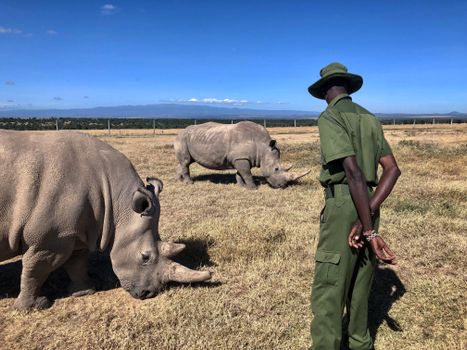
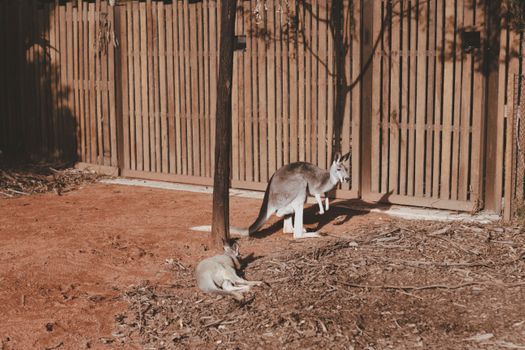
Imagine spending your time studying amazing animals and their homes! That is what a Wildlife Biologist does. These scientists work to understand how animals live, what they eat, where they like to be, and how they interact with each other and their environment. They might study tiny insects, colourful birds, or magnificent deer. Their job often involves spending time outdoors in different habitats, from forests and wetlands to coasts and mountains, observing animals, collecting data, and sometimes even helping to rescue or rehabilitate wildlife. They use their findings to help protect endangered species, manage natural parks, and ensure that wildlife can thrive alongside humans. Being a Wildlife Biologist means you will often be involved in practical work like tracking animals, setting up cameras to watch them, or taking samples from their habitats. You might also spend time in a lab analysing data or writing reports about what you have discovered. It is a really important job because by understanding wildlife better, we can make sure that our natural world stays healthy and full of life for future generations. It is perfect for someone who loves animals, enjoys being outside, and is curious about how the natural world works.

Wildlife Biologist

Flag Media

Please select a reason for flagging this content.

📊 Statistics

Starting Salary

For someone just starting out as a Wildlife Biologist in the UK, you might expect to earn around 20,000 to 25,000 pounds per year.

Experienced Salary

With more experience, a Wildlife Biologist in the UK could earn between 28,000 and 40,000 pounds annually. Senior roles might even reach 45,000 pounds or more.

Job Opportunities

While it's a competitive field, there are regular opportunities in the UK, especially with conservation charities, government bodies like Natural England, and environmental consultancies.

🚀 Careers in this path

Flag Media

Please select a reason for flagging this content.

Wildlife Conservation Officer

Imagine being a park ranger, but focusing on protecting animals and their homes. You'd help make sure wild animals are safe, keep an eye on their populations, and teach people about looking after nature.

Flag Media

Please select a reason for flagging this content.

Zoo Keeper Assistant

If you love animals, you could help look after them in a zoo. This involves feeding them, cleaning their enclosures, and making sure they are happy and healthy. It's a hands-on way to work with many different species.

Flag Media

Please select a reason for flagging this content.

Environmental Educator

Do you enjoy sharing your knowledge? You could work for a wildlife charity or nature park, teaching children and adults about local wildlife and why it's important to protect our environment through fun activities and talks.

Build Your Knowledge Base

Study Science at School

Focus on science subjects like biology, chemistry, and environmental science during your secondary school years (GCSEs and A-Levels). These subjects will give you a strong foundation for understanding the natural world.

At school, try to choose GCSEs that include Biology and Chemistry. When you move on to A-Levels, aim for Biology and potentially another science like Environmental Science, Chemistry, or even Geography. These subjects teach you about living things, ecosystems, and how the environment works, which are all crucial for a Wildlife Biologist. Participating in science clubs or competitions can also be a great way to deepen your understanding and show your passion.

Read About Wildlife

Get your hands on books, magazines, and documentaries about different animals, ecosystems, and conservation efforts. The more you learn, the more exciting it becomes!

There are so many amazing resources out there! Look for books from authors like David Attenborough or magazines such as BBC Wildlife. Watch nature documentaries on TV or streaming services. Learning about different habitats, animal behaviours, and the challenges wildlife faces will not only teach you a lot but also help you discover which specific areas of wildlife biology you find most interesting. This self-learning shows dedication and curiosity.

Join Wildlife Clubs or Groups

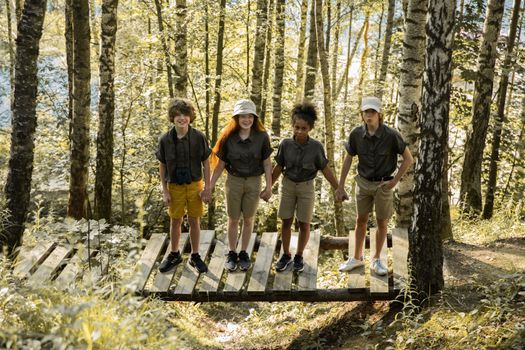
Look for local wildlife groups, nature clubs, or youth conservation projects in your area. This is a great way to meet people who share your passion and learn practical skills.

Many local wildlife trusts, RSPB (Royal Society for the Protection of Birds) groups, or even school clubs offer opportunities for young people to get involved. You might go on nature walks, learn about local species, help with habitat restoration, or take part in wildlife surveys. These experiences are brilliant for seeing what a wildlife biologist does day-to-day and can give you a real sense of whether this career is right for you. Plus, you'll make new friends who love nature too!

Gain Practical Experience

Volunteer with Wildlife Organisations

Offer your time to places like nature reserves, zoos, wildlife rescue centres, or local conservation projects. This will give you hands-on experience working with animals and their environments.

Volunteering is super important! You could help with things like habitat management (clearing invasive plants, planting trees), monitoring wildlife (counting birds, tracking mammals), or assisting with animal care. This type of experience not only looks great on a CV but also helps you learn practical skills that you can't get from a textbook, such as animal handling, data collection, and working as part of a team. It also helps you understand the realities and challenges of conservation work.

Participate in Citizen Science Projects

Join projects where regular people help scientists collect data. You could count birds in your garden or track insects in a park. Your observations help real research!

Citizen science projects are a fantastic way to contribute to real scientific research, often without leaving your local area. Organisations like the British Trust for Ornithology (BTO) often have projects where you can record bird sightings, or you might find local surveys for butterflies, bees, or even hedgehogs. This helps you practise careful observation, data recording, and understanding scientific methods, all while making a valuable contribution to wildlife conservation.

Learn Field Skills

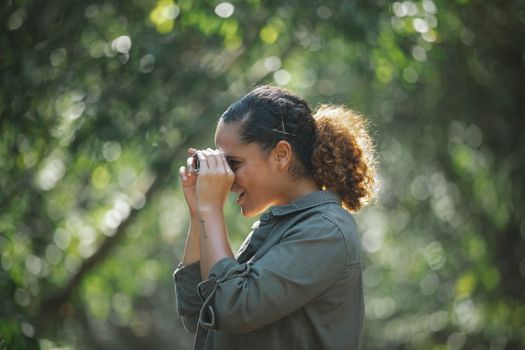
Try to learn basic outdoor skills like identifying plants and animals, using binoculars, taking good notes, and maybe even basic first aid for outdoor activities.

Being able to identify different species of plants, birds, or insects in your local area is a key skill for a wildlife biologist. Use field guides (books or apps) to help you. Practising how to use binoculars effectively for observing animals from a distance, or learning how to take clear and detailed notes about what you see, are all valuable skills. If you plan on spending lots of time outdoors, knowing basic first aid can also be really useful for your safety.

Higher Education and Career Start

Go to University

After A-Levels, you'll likely need a university degree. Look for courses in Biology, Zoology, Ecology, Conservation Biology, or Wildlife Management.

Most Wildlife Biologist roles require a degree. A Bachelor's degree (BSc) is usually the starting point. When choosing a university, look at the specific modules offered within your chosen course. Do they include fieldwork, animal behaviour, genetics, or conservation techniques? Some universities even offer placements as part of the degree, which can be incredibly beneficial for gaining more professional experience. A good degree will give you the theoretical knowledge and research skills you need.

Consider a Master's or PhD

For more specialised or research-focused roles, a Master's (MSc) or even a PhD might be helpful after your first degree.

While a Bachelor's degree can get you started, many higher-level or research-intensive positions in wildlife biology prefer candidates with a Master's or even a PhD. A Master's degree allows you to specialise in a particular area, like marine biology or avian ecology, and often involves conducting your own research project. A PhD is for those who want to become leading experts in a specific field and conduct in-depth, original research, often within academia or government research institutions.

Apply for Entry-Level Jobs or Internships

Once you have your degree, start applying for jobs like Field Assistant, Junior Ecologist, or Conservation Officer roles. Internships can also be a great way to get your foot in the door.

Your first job after university might be an entry-level position where you'll continue to learn on the job. Look for opportunities with environmental consultancies, government agencies (like Natural England or DEFRA), wildlife charities, or even zoos and aquariums. Be prepared to be flexible, as some roles might involve travel or working outdoors in various conditions. Networking during your degree and volunteering experiences can also open doors to these first career opportunities.

🎬 Useful Videos

🎯 View Apprenticeships

Explore relevant apprenticeships that can help you kickstart your career in Wildlife Biologist. Apprenticeships offer hands-on experience and training while earning a wage.

Career Progressions

This page showcases various career options and the pathways to reach them. Each career listed here shares transferable skills and knowledge, making it easier for individuals to transition between them.

Your current career is highlighted to help you see how it fits into the broader landscape of potential career choices. By clicking on any career, you can learn more about it, including the training and education required to pursue it.

Remember, progressing in your career often involves further learning and training. This page provides insights into future career options as well as those that can lead up to your current one.

These career progression decisions are informed by comparing the skills and knowledge needed for different occupations, along with data on how people move between them. Explore the possibilities and discover the exciting journey ahead in your career!

Sample Qualifications

A Wildlife Biologist is a specialist focused on the study of wildlife. 'Biologist' is the most encompassing and direct match from the list, as it covers the scientific study of living organisms, which includes wildlife.

How to become

You can get into this job through:

  • a university course
  • an apprenticeship
  • working towards this role

University

You'll usually need a relevant degree and often a postgraduate master's qualification in a life science subject like:

  • biology
  • biological science
  • ecology
  • marine biology

Employers may also want you to have experience in your area of interest and possibly a PhD.

Entry requirements

You'll usually need:

  • 4 or 5 GCSEs at grades 9 to 4 (A* to C), or equivalent, including English, maths and science
  • 2 or 3 A levels, or equivalent, including biology for a degree
  • a degree in a relevant subject for postgraduate study

More Information

Apprenticeship

You could begin by doing a degree apprenticeship.

For example:

  • Laboratory Scientist Level 6
  • Research Scientist Level 7
  • Bioinformatics Scientist Level 7

The Level 6 apprenticeship takes around 5 years to complete.

The Level 7 apprenticeships are likely to have a higher entry criteria and typically take 2 to 3 years.

Entry requirements

You'll usually need:

  • 4 or 5 GCSEs at grades 9 to 4 (A* to C) and A levels, or equivalent, for a degree apprenticeship

More Information

Work

You could start as a laboratory technician and train as a biologist by working and studying for a relevant qualification at the same time.

More Information

Career tips

You can learn more about the latest biological research projects from the Biotechnology and Biological Sciences Research Council.

This can be useful to talk about when it comes to course and job interviews.

Professional and industry bodies

You could join the Royal Society of Biology for your professional development.

Further information

You can find more details about careers, courses and training in biology from the Royal Society of Biology.

Interested in More Career Paths?

Explore other careers or use our AI to discover personalised paths based on your interests.

Stay connected

Join our newsletter to stay up to date on features and releases

Address
Developing Experts Limited
Exchange Street Buildings
35-37 Exchange Street
Norwich
NR2 1DP
UK

Phone
01603 273515

Email
[email protected]

Copyright 2026 Developing Experts, All rights reserved.
