

Creating Career Path...

Finding Further Careers...

Wildlife Biologist

View this career for different education levels:

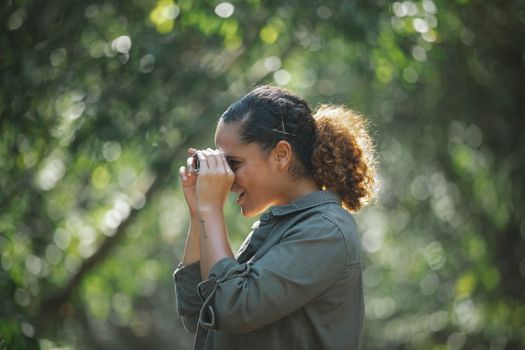
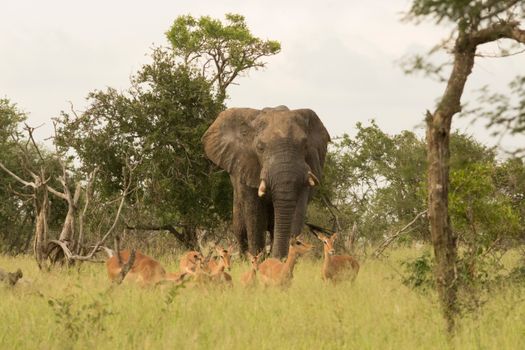
Imagine spending your days exploring forests, rivers, or even the sea, all to help animals! That is what a Wildlife Biologist does. They are like detectives for nature, trying to understand how wild animals live, what they eat, where they sleep, and how we can best protect them and their homes. They might count birds, track deer, or study tiny insects. They use special tools like cameras, binoculars, and sometimes even drones to watch animals without disturbing them. Their work helps make sure that amazing creatures like badgers, otters, and even tiny beetles can continue to thrive in the UK. A Wildlife Biologist often spends a lot of time outdoors in different weather conditions, sometimes in muddy or remote places. They might collect samples like water or plants to see what is happening in an animal's environment. When they are not outside, they might be in an office or a lab, looking at the information they collected, writing reports, or planning their next adventure. They work to solve problems that might be affecting animals, like if a new road is planned, they might check to see if it would hurt any special animal homes. It is a very important job that helps us look after all the wonderful wildlife in our country.

Wildlife Biologist

Flag Media

Please select a reason for flagging this content.

📊 Statistics

Salary Range

A new Wildlife Biologist in the UK might earn around 20,000 to 25,000 pounds a year. With more experience, they could earn 30,000 to 40,000 pounds or even more.

Number of Positions

There are usually hundreds of jobs for wildlife and conservation professionals in the UK at any one time, but they can be popular jobs, so lots of people want them!

Average Work Week

Most Wildlife Biologists work about 37 to 40 hours a week, but sometimes they might work evenings or weekends to watch animals when they are most active.

🚀 Careers in this path

Flag Media

Please select a reason for flagging this content.

Animal Keeper

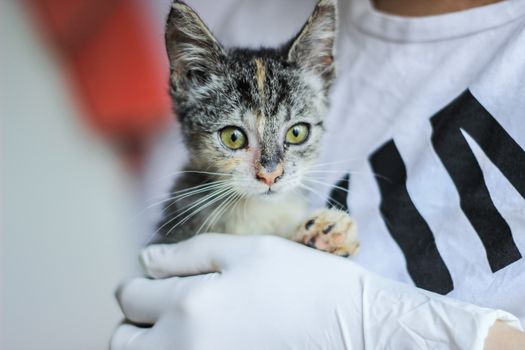
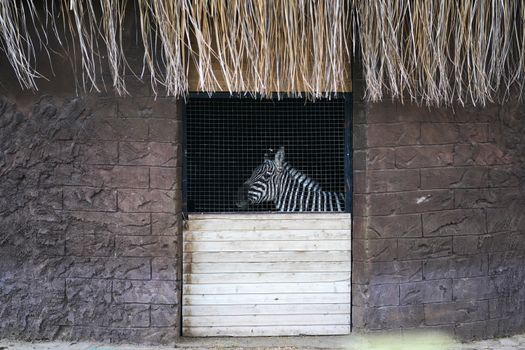
If you love animals, you could help look after them at a zoo or wildlife park. You'd make sure they have food, clean homes, and are healthy and happy.

Flag Media

Please select a reason for flagging this content.

Nature Park Ranger

Imagine exploring big parks and forests every day! A ranger helps protect nature and the animals living there. They also teach visitors about the wildlife.

Flag Media

Please select a reason for flagging this content.

Wildlife Photographer

Do you like taking pictures? A wildlife photographer takes amazing photos of animals in their natural homes. This helps people learn about them and want to protect them.

Learning About Animals

Read Animal Books

Start by reading lots of books about different animals, where they live, and what they do. This will help you learn their names and amazing facts!

Visit your local library or bookshop and look for children's books about animals, nature, and the environment. You could read about big animals like elephants, small ones like ladybirds, or animals from different parts of the world. Look for books with colourful pictures and easy-to-understand information to make learning fun.

Watch Nature Programmes

Watch TV shows and documentaries about wild animals. You'll see them in their natural homes and learn how they survive.

Many TV channels and streaming services have fantastic programmes about wildlife, like 'Blue Planet' or 'Planet Earth'. Watch with a grown-up and ask questions about what you see. You might see animals hunting, playing, or building nests. It's a great way to explore the world from your sofa!

Visit a Zoo or Wildlife Park

Go to a zoo or a wildlife park to see real animals up close. You can learn from the experts who look after them.

When you visit a zoo, pay attention to the different types of animals and how they are cared for. Read the signs to learn about their diet, habitat, and how old they are. You might even get to see a zookeeper feeding the animals or giving a talk about them, which is a brilliant way to learn even more.

Exploring Nature

Go on Nature Walks

Take walks in parks, woods, or even your garden. Look for birds, insects, and animal tracks. What can you spot?

Grab a grown-up and head outside! Look closely at the trees, bushes, and ground. Can you see any birds in the branches, or busy ants marching on the pavement? You might find feathers, interesting leaves, or even tiny paw prints. Always remember to look, but not to touch too much, so you don't disturb the animals.

Learn About Plants

Animals often depend on plants for food and shelter. Learning about plants helps you understand the whole natural world.

Learn the names of common trees and flowers in your area. Understand that many animals eat plants, and some even build their homes in them. For example, birds build nests in trees, and some insects eat leaves. Knowing about plants helps you see how everything in nature is connected, like a big puzzle.

Start a Nature Journal

Draw or write down what you see in nature. This helps you remember and notice more details about animals and plants.

Get a special notebook and some pencils. When you're outside, draw pictures of the birds you see, the flowers, or even an interesting leaf. You can also write down what the weather was like, where you were, and anything interesting you heard or saw. Over time, your journal will become a wonderful record of your nature adventures!

Thinking Like a Scientist

Ask Questions

Always wonder 'why' and 'how'. Why do birds sing? How do spiders build webs? Being curious is important for a scientist!

When you see something in nature, don't just look at it – think about it! Ask questions like: 'Why is that bird hopping like that?', 'What does that insect eat?', or 'Where does that river go?' Asking questions is the first step to finding answers and understanding the world around you, just like a real scientist would.

Learn to Observe Carefully

Scientists look very closely at things. Try to spot small details when you're watching animals or plants.

Practice watching animals without disturbing them. What colours are they? How do they move? What sounds do they make? If you watch a bird at a feeder, notice how it picks up seeds, or if it chases other birds away. Observing carefully means using all your senses (your eyes, ears, and sometimes even your nose!) to gather information.

Share What You Learn

Talk to your friends, family, or teachers about the amazing animal facts you've discovered. Sharing helps everyone learn!

When you learn something new and exciting about a squirrel burying nuts or a butterfly drinking nectar, tell someone about it! You can explain what you saw or read. Sharing your discoveries not only helps others learn but also helps you remember the information better. You might even inspire someone else to become a wildlife enthusiast!

🎬 Useful Videos

🎯 View Apprenticeships

Explore relevant apprenticeships that can help you kickstart your career in Wildlife Biologist. Apprenticeships offer hands-on experience and training while earning a wage.

Career Progressions

This page showcases various career options and the pathways to reach them. Each career listed here shares transferable skills and knowledge, making it easier for individuals to transition between them.

Your current career is highlighted to help you see how it fits into the broader landscape of potential career choices. By clicking on any career, you can learn more about it, including the training and education required to pursue it.

Remember, progressing in your career often involves further learning and training. This page provides insights into future career options as well as those that can lead up to your current one.

These career progression decisions are informed by comparing the skills and knowledge needed for different occupations, along with data on how people move between them. Explore the possibilities and discover the exciting journey ahead in your career!

Sample Qualifications

A Wildlife Biologist studies wildlife and ecosystems, which aligns directly with the broader scientific duties and qualifications of a Biologist who studies living organisms and their environments.

How to become

You can get into this job through:

  • a university course
  • an apprenticeship
  • working towards this role

University

You'll usually need a relevant degree and often a postgraduate master's qualification in a life science subject like:

  • biology
  • biological science
  • ecology
  • marine biology

Employers may also want you to have experience in your area of interest and possibly a PhD.

Entry requirements

You'll usually need:

  • 4 or 5 GCSEs at grades 9 to 4 (A* to C), or equivalent, including English, maths and science
  • 2 or 3 A levels, or equivalent, including biology for a degree
  • a degree in a relevant subject for postgraduate study

More Information

Apprenticeship

You could begin by doing a degree apprenticeship.

For example:

  • Laboratory Scientist Level 6
  • Research Scientist Level 7
  • Bioinformatics Scientist Level 7

The Level 6 apprenticeship takes around 5 years to complete.

The Level 7 apprenticeships are likely to have a higher entry criteria and typically take 2 to 3 years.

Entry requirements

You'll usually need:

  • 4 or 5 GCSEs at grades 9 to 4 (A* to C) and A levels, or equivalent, for a degree apprenticeship

More Information

Work

You could start as a laboratory technician and train as a biologist by working and studying for a relevant qualification at the same time.

More Information

Career tips

You can learn more about the latest biological research projects from the Biotechnology and Biological Sciences Research Council.

This can be useful to talk about when it comes to course and job interviews.

Professional and industry bodies

You could join the Royal Society of Biology for your professional development.

Further information

You can find more details about careers, courses and training in biology from the Royal Society of Biology.

Interested in More Career Paths?

Explore other careers or use our AI to discover personalised paths based on your interests.

Stay connected

Join our newsletter to stay up to date on features and releases

Address
Developing Experts Limited
Exchange Street Buildings
35-37 Exchange Street
Norwich
NR2 1DP
UK

Phone
01603 273515

Email
[email protected]

Copyright 2026 Developing Experts, All rights reserved.