

Creating Career Path...

Finding Further Careers...

Water Treatment Engineer

View this career for different education levels:

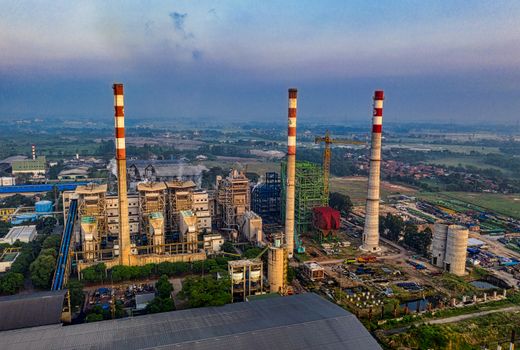
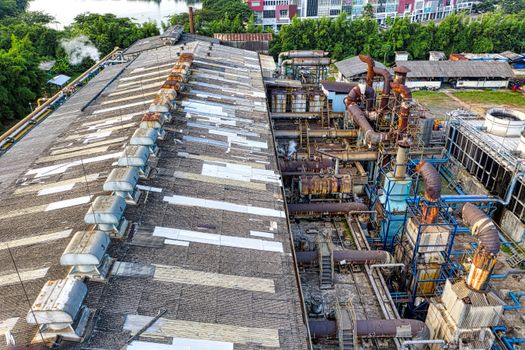
A Water Treatment Engineer in the UK plays a crucial role in ensuring the safety and quality of our water supply, as well as managing wastewater. This career involves designing, implementing, and managing systems and processes that purify water for drinking, industrial use, and environmental discharge. You'd be responsible for anything from large-scale municipal water treatment plants to smaller industrial systems, ensuring they meet stringent regulatory standards set by bodies like the Drinking Water Inspectorate (DWI) and the Environment Agency. Day-to-day tasks can be quite varied, encompassing site investigations, analysing water samples, designing new treatment facilities, optimising existing processes, troubleshooting plant issues, and ensuring compliance with health and safety regulations. It's a field that blends aspects of chemical engineering, environmental science, and civil engineering, requiring a strong analytical mind, problem-solving skills, and a commitment to public health and environmental protection.

Water Treatment Engineer

Flag Media

Please select a reason for flagging this content.

📊 Statistics

Average UK Salary

Starting salaries for Water Treatment Engineers in the UK typically range from 25,000 to 35,000 pounds. With experience, this can rise to 35,000 to 50,000 pounds, and senior roles or specialised positions can command over 60,000 pounds annually.

Job Outlook and Opportunities

The water industry in the UK is stable and continuously evolving, driven by regulatory compliance and environmental concerns. While not a sector with explosive growth, there's a steady demand for qualified engineers, particularly in areas like sustainable water management, wastewater treatment, and process optimisation. Apprenticeships and graduate schemes are common entry points.

Typical Working Hours

Water Treatment Engineers typically work standard full-time hours, around 37-40 hours per week, Monday to Friday. However, project deadlines, plant emergencies, or on-call duties might occasionally require flexibility, including working outside normal hours.

🚀 Careers in this path

Flag Media

Please select a reason for flagging this content.

Wastewater Treatment Plant Operator

Operates and maintains the machinery and equipment used to treat wastewater, ensuring it meets environmental standards before discharge. This involves monitoring processes, adjusting controls, and carrying out routine maintenance and fault-finding.

Flag Media

Please select a reason for flagging this content.

Water Quality Scientist

Focuses on analysing water samples from various sources to ensure they meet safety and regulatory standards. This role involves laboratory work, data interpretation, and often field investigations to identify and resolve contamination issues.

Flag Media

Please select a reason for flagging this content.

Process Engineer Water Industry

Designs, implements, and optimises the processes and systems used in water and wastewater treatment plants. This involves applying chemical, physical, and biological principles to improve efficiency, reduce costs, and enhance water quality outcomes.

Educational Foundations

Achieve Strong A-Levels or Equivalent

Focus on STEM subjects during your college or sixth form studies to build a solid academic base.

For a career in water treatment engineering, universities typically require strong grades in A-Levels or equivalent qualifications (e.g., Scottish Highers, BTEC Level 3 Extended Diploma). Essential subjects usually include Maths and at least one science subject, such as Physics, Chemistry, or Biology. Some universities may prefer two science subjects. Aim for grades that meet university entry requirements for engineering degrees.

Complete an Engineering Degree

Undertake a relevant undergraduate degree in engineering to gain foundational knowledge.

Most Water Treatment Engineers hold a Bachelor's degree (BEng or MEng) in a relevant engineering discipline. Highly recommended degrees include Chemical Engineering, Civil Engineering, Environmental Engineering, or Mechanical Engineering with an environmental focus. These programmes provide the theoretical knowledge in fluid mechanics, thermodynamics, material science, and process design crucial for water treatment. An MEng degree often includes a year of integrated master's study, which can accelerate chartered engineer status.

Consider a Master's Specialisation

Pursue a postgraduate degree to specialise in water or environmental engineering.

While not always mandatory, a Master's degree (MSc) in Water Engineering, Environmental Engineering, or Water and Wastewater Treatment can significantly enhance your expertise and career prospects. This level of study allows for deeper dives into advanced treatment technologies, water resource management, and sustainability, which are increasingly important in the sector. It can also be beneficial for roles in research, development, or higher-level consultancy.

Gaining Experience and Skills

Seek Internships or Work Placements

Gain practical, hands-on experience in the water industry during your studies.

Many engineering firms, water utility companies, and environmental consultancies offer internships or summer placements for university students. These opportunities are invaluable for understanding the day-to-day operations of water treatment plants, working alongside experienced engineers, and applying your academic knowledge in a real-world setting. They also help build your professional network and make you a more attractive candidate for graduate roles. Look for placements during your second or third year of university.

Undertake Relevant Graduate Schemes

Apply for graduate programmes that offer structured training and exposure to different aspects of water engineering.

Many large water companies (e.g., Thames Water, Severn Trent, Scottish Water), engineering consultancies (e.g., Arup, Atkins), and environmental agencies offer highly competitive graduate schemes. These programmes typically last 2-3 years and involve rotations through various departments, project work, and mentorship. They are designed to develop your technical skills, professional competencies, and provide a clear path towards chartership.

Develop Key Technical and Soft Skills

Continuously refine both your engineering expertise and your interpersonal abilities.

Beyond academic knowledge, employers look for a blend of technical and soft skills. Technical skills include data analysis, process modelling, CAD software proficiency, and understanding of regulatory compliance. Soft skills such as problem-solving, critical thinking, communication, teamwork, and project management are equally crucial. Actively seek opportunities to develop these through projects, volunteering, or workshops.

Professional Development & Chartership

Join Professional Engineering Institutions

Become a member of relevant professional bodies to access resources and networking opportunities.

Joining institutions like the Institution of Civil Engineers (ICE), the Institution of Chemical Engineers (IChemE), or the Chartered Institution of Water and Environmental Management (CIWEM) is a crucial step. These bodies provide valuable resources, training, continuing professional development (CPD) opportunities, and networking events. Membership demonstrates your commitment to the profession and helps in working towards chartered status.

Work Towards Chartered Engineer (CEng) Status

Gain professional recognition by achieving Chartered Engineer status.

Chartered Engineer (CEng) status is a mark of high professional competence and commitment. It requires several years of structured professional development (typically 4-5 years post-graduation) under the guidance of a mentor, demonstrating competence across a range of areas specified by the Engineering Council. This involves submitting a professional review report and attending an interview. CEng status significantly enhances career progression, earning potential, and professional standing.

Specialise and Continuously Learn

Focus on a niche area within water treatment and commit to ongoing learning.

The water industry is constantly evolving with new technologies and environmental challenges. Consider specialising in areas like membrane technology, advanced oxidation processes, digital water management, or sustainable water resources. Attend conferences, workshops, and undertake further training to stay updated with industry trends, regulatory changes, and technological advancements. This continuous learning ensures your expertise remains current and valuable throughout your career.

🎬 Useful Videos

🎯 View Apprenticeships

Explore relevant apprenticeships that can help you kickstart your career in Water Treatment Engineer. Apprenticeships offer hands-on experience and training while earning a wage.

Career Progressions

This page showcases various career options and the pathways to reach them. Each career listed here shares transferable skills and knowledge, making it easier for individuals to transition between them.

Your current career is highlighted to help you see how it fits into the broader landscape of potential career choices. By clicking on any career, you can learn more about it, including the training and education required to pursue it.

Remember, progressing in your career often involves further learning and training. This page provides insights into future career options as well as those that can lead up to your current one.

These career progression decisions are informed by comparing the skills and knowledge needed for different occupations, along with data on how people move between them. Explore the possibilities and discover the exciting journey ahead in your career!

Sample Qualifications

A Hydrologist studies the movement, distribution, and quality of water. This role aligns best with a Water Treatment Engineer's focus on water quality and processes, often involving the design and management of water treatment systems, which requires a deep understanding of water science.

How to become

You can get into this job through:

  • a university course
  • an apprenticeship
  • working towards this role

University

You'll need a first degree, and often postgraduate training, to get into hydrology. Degrees include:

  • environmental science
  • geography
  • civil engineering
  • environmental engineering
  • Earth sciences
  • ecology

Postgraduate courses

After finishing your degree, you could complete a postgraduate course. You can find postgraduate courses through the British Hydrological Society.

Entry requirements

You'll usually need:

  • 2 to 3 A levels, or equivalent, for a degree
  • a degree in a relevant subject for postgraduate study

More Information

Apprenticeship

You could apply for an Environmental Practitioner or Geoscientist Level 6 Degree Apprenticeship before specialising in hydrology.

These can take up to 5 years to complete and are a mix of learning on the job and studying at an approved university.

Entry requirements

Employers will set their own entry requirements.

More Information

Work

You could start as an assistant hydrologist or technical officer, if you have a degree in a science or environmental subject.

Your employer may encourage you to take a postgraduate qualification while you're working, like a master's degree in hydrology.

More Information

Career tips

The UK Centre for Ecology and Hydrology has information about hydrology, including work on water pollution, flooding and drought.

Professional and industry bodies

You can join the British Hydrological Society or Chartered Institution of Water and Environmental Management.

This could help you find:

  • industry news
  • advice on professional development
  • networking opportunities

Further information

You can learn about different types of hydrology work through the British Hydrological Society.

You can also find out more about being a hydrologist from The Geological Society.

Interested in More Career Paths?

Explore other careers or use our AI to discover personalised paths based on your interests.

Stay connected

Join our newsletter to stay up to date on features and releases

Address
Developing Experts Limited
Exchange Street Buildings
35-37 Exchange Street
Norwich
NR2 1DP
UK

Phone
01603 273515

Email
[email protected]

Copyright 2026 Developing Experts, All rights reserved.
