

Creating Career Path...

Finding Further Careers...

Water Treatment Engineer

View this career for different education levels:

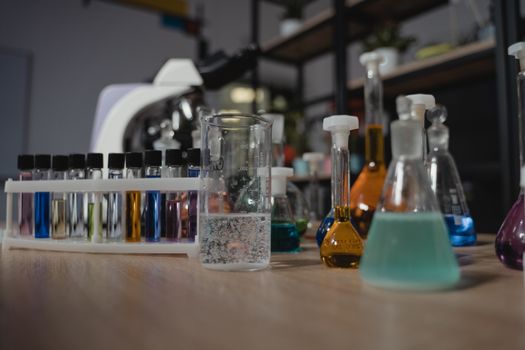
Imagine you have a magic wand that makes dirty water sparkling clean and safe to drink or use in our homes and factories. That's a bit like what a Water Treatment Engineer does! These special engineers work to make sure the water we use every day is clean and healthy. They design and look after big machines and systems that clean water, taking out all the yucky bits like dirt and germs. They might work at a water treatment plant, which is like a big factory for cleaning water, or they might help make sure water from rivers and lakes is safe before it even gets to our taps. It's a very important job because clean water helps everyone stay healthy and happy. Water Treatment Engineers also think about how to be kind to our planet. They make sure that when water is cleaned, it doesn't harm the environment. They might use science to test the water to see what's in it, and then use their engineering skills to figure out the best way to clean it. They also help to make sure there's enough clean water for everyone, which is super important for all of us.

Water Treatment Engineer

Flag Media

Please select a reason for flagging this content.

📊 Statistics

Starting Salary

New water treatment engineers in the UK might earn around 25,000 to 30,000 pounds a year.

Experienced Salary

With more experience, a water treatment engineer could earn between 35,000 and 50,000 pounds a year, or even more for senior roles.

Job Openings

Each year, there are usually hundreds of jobs available across the UK for water treatment engineers, as keeping our water clean is a very important job.

🚀 Careers in this path

Flag Media

Please select a reason for flagging this content.

Water Scientist for Rivers

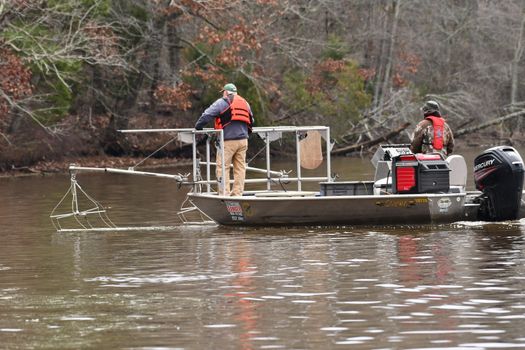
Imagine being a detective for rivers! You would visit rivers and streams, take samples of the water, and look at little creatures to make sure the water is clean and safe for fish and other animals to live in. You'd help protect our beautiful UK waterways.

Flag Media

Please select a reason for flagging this content.

Drinking Water Quality Tester

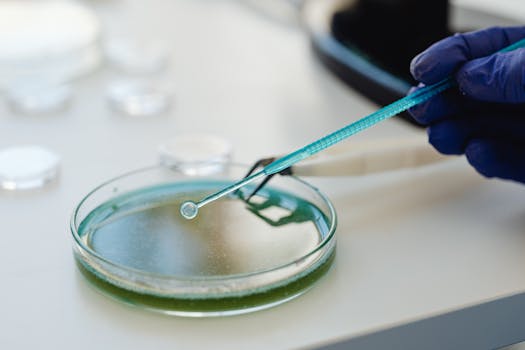
This job is all about making sure the water that comes out of our taps at home is super clean and yummy to drink! You'd get to visit water treatment plants and special labs to check that the water has no yucky bits in it and is perfectly safe for everyone.

Flag Media

Please select a reason for flagging this content.

Pond and Lake Caretaker

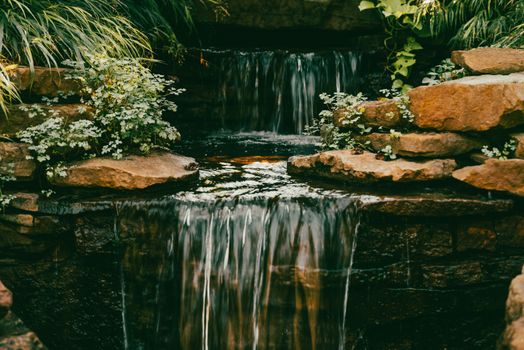
Do you love ponds and lakes? As a caretaker, you'd help look after them, making sure the water is healthy for ducks, frogs, and fish. You might check the plants, gently remove rubbish, and learn how to keep the water sparkling clean for all the creatures that live there.

Learning About Water

Explore How Water Works

Find out where our water comes from, like rain and rivers, and how it gets to our homes. Watch how water flows and learn about the different ways it can be used.

Start by observing water around you. See how puddles form, how water runs down a drain, or how it fills a cup. Ask grown-ups about the water cycle – how water goes from the sky to the ground and back again. You could even visit a local stream or river to see water in its natural state. Learning about where water comes from is the first step to understanding how to clean it.

Fun Water Science

Do simple experiments with water. Try making a mini water filter with sand and pebbles, or see what happens when you mix different things with water.

Gather some simple materials like sand, gravel, cotton wool, and an empty plastic bottle. Try to build your own mini water filter to see if you can make cloudy water a bit clearer. You could also experiment with dissolving things in water, like sugar or salt, and see what happens. These experiments help you understand how things can be taken out of water or mixed into it, which is exactly what a Water Treatment Engineer does on a bigger scale.

Visit a Water Place

Ask a grown-up if you can visit a place where water is cleaned, like a local water treatment works or even a big aquarium.

While it might not always be possible to visit a full-scale water treatment works right now, you might be able to visit a smaller facility like an aquarium or a garden centre with a pond filtration system. Even seeing how a swimming pool is kept clean can be really helpful. These visits will give you a little peek into how water is managed and kept clean in different environments, showing you real-life examples of water treatment.

Building Strong Foundations

Do Well in Science and Maths

Pay attention in your science and maths lessons at school. These subjects will teach you how the world works and how to solve problems.

When you're at school, try your best in science lessons, especially when you learn about chemistry and physics, as these explain how water reacts and moves. Maths is also super important for calculating things like how much water needs to be cleaned or how big a pipe should be. Doing well in these subjects now will make it much easier to understand the more complicated things you'll learn later about water engineering.

Join a Science Club

If your school has a science club or an eco-club, join it! You'll get to do more fun experiments and learn about the environment.

Joining a science club is a fantastic way to explore your interests beyond regular lessons. You might get to do extra experiments with water, learn about environmental protection, or even build small projects that involve cleaning or moving liquids. An eco-club could teach you about saving water and keeping our planet healthy, which is a big part of a Water Treatment Engineer's job.

Read About Engineering

Find books or websites that talk about different types of engineering, especially environmental or civil engineering. See how engineers build things.

Look for books in your library that show how bridges are built, how buildings stand up, or how cities get their water. You can also ask grown-ups to help you find child-friendly websites or documentaries about engineering marvels. Seeing how engineers solve big problems and create amazing structures will inspire you and help you understand the kind of work a Water Treatment Engineer does every day.

Future Steps

Think About University

When you get older, you'll need to go to university to study engineering, perhaps civil or chemical engineering, with a focus on water.

After finishing school, most Water Treatment Engineers go to university to get a special degree. You might study 'Civil Engineering' which teaches you about building big structures like water plants, or 'Chemical Engineering' which focuses on the science of cleaning water. Some universities even have specific 'Environmental Engineering' courses that are perfect for this job. This degree gives you all the scientific and technical knowledge you need.

Do Work Experience

Try to get some work experience with a water company or an engineering firm when you're a bit older. It helps you see the job in real life!

When you're old enough, often during school holidays or after university, try to find opportunities for work experience. You could try contacting local water companies, environmental consultancies, or engineering firms that work on water projects. Even a few days or weeks helping out and observing can give you a much clearer idea of what the job is really like and help you make connections for the future.

Join a Professional Group

As you become a professional, you can join groups like the Institution of Civil Engineers or the Institute of Water to keep learning and meet other engineers.

Once you have your degree and some work experience, joining a professional engineering institution is a great idea. Organisations like the Institution of Civil Engineers (ICE) or the Institute of Water offer resources, training, and opportunities to meet other engineers. They help you stay updated with the latest advancements in water treatment and can offer mentoring, which is like having an experienced guide to help you in your career.

🎬 Useful Videos

🎯 View Apprenticeships

Explore relevant apprenticeships that can help you kickstart your career in Water Treatment Engineer. Apprenticeships offer hands-on experience and training while earning a wage.

Career Progressions

This page showcases various career options and the pathways to reach them. Each career listed here shares transferable skills and knowledge, making it easier for individuals to transition between them.

Your current career is highlighted to help you see how it fits into the broader landscape of potential career choices. By clicking on any career, you can learn more about it, including the training and education required to pursue it.

Remember, progressing in your career often involves further learning and training. This page provides insights into future career options as well as those that can lead up to your current one.

These career progression decisions are informed by comparing the skills and knowledge needed for different occupations, along with data on how people move between them. Explore the possibilities and discover the exciting journey ahead in your career!

Sample Qualifications

A Hydrologist specialises in water systems, including quality, quantity, and distribution, which directly aligns with the work of a Water Treatment Engineer in managing and improving water for consumption or other uses.

How to become

You can get into this job through:

  • a university course
  • an apprenticeship
  • working towards this role

University

You'll need a first degree, and often postgraduate training, to get into hydrology. Degrees include:

  • environmental science
  • geography
  • civil engineering
  • environmental engineering
  • Earth sciences
  • ecology

Postgraduate courses

After finishing your degree, you could complete a postgraduate course. You can find postgraduate courses through the British Hydrological Society.

Entry requirements

You'll usually need:

  • 2 to 3 A levels, or equivalent, for a degree
  • a degree in a relevant subject for postgraduate study

More Information

Apprenticeship

You could apply for an Environmental Practitioner or Geoscientist Level 6 Degree Apprenticeship before specialising in hydrology.

These can take up to 5 years to complete and are a mix of learning on the job and studying at an approved university.

Entry requirements

Employers will set their own entry requirements.

More Information

Work

You could start as an assistant hydrologist or technical officer, if you have a degree in a science or environmental subject.

Your employer may encourage you to take a postgraduate qualification while you're working, like a master's degree in hydrology.

More Information

Career tips

The UK Centre for Ecology and Hydrology has information about hydrology, including work on water pollution, flooding and drought.

Professional and industry bodies

You can join the British Hydrological Society or Chartered Institution of Water and Environmental Management.

This could help you find:

  • industry news
  • advice on professional development
  • networking opportunities

Further information

You can learn about different types of hydrology work through the British Hydrological Society.

You can also find out more about being a hydrologist from The Geological Society.

Interested in More Career Paths?

Explore other careers or use our AI to discover personalised paths based on your interests.

Stay connected

Join our newsletter to stay up to date on features and releases

Address
Developing Experts Limited
Exchange Street Buildings
35-37 Exchange Street
Norwich
NR2 1DP
UK

Phone
01603 273515

Email
[email protected]

Copyright 2026 Developing Experts, All rights reserved.
