


Creating Career Path...

Finding Further Careers...

Water Treatment Engineer

View this career for different education levels:

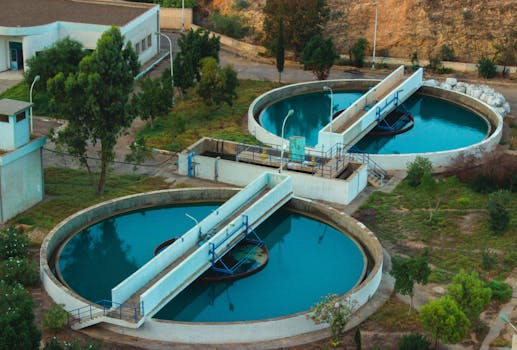
A Water Treatment Engineer plays a super important role in making sure we have clean and safe water to drink and use every day! Imagine all the water that comes from rivers, lakes, or underground sources; it usually needs a lot of cleaning before it's ready for our taps. That's where these engineers come in. They design, build, and look after the special systems and equipment at water treatment plants that remove all the dirt, germs, and unwanted stuff from the water. They use science and clever engineering to make sure the water is sparkling clean and meets all the strict health standards. Their job isn't just about cleaning drinking water. They also work on treating wastewater, which is the water that goes down our drains from homes and businesses. This wastewater needs to be cleaned before it's safely returned to rivers or the sea, so it doesn't harm the environment. A Water Treatment Engineer might spend their time in an office designing new systems, out in the field inspecting plants, or even in a lab testing water samples. It's a job that helps protect our health and our planet!

Water Treatment Engineer

Flag Media

Please select a reason for flagging this content.

📊 Statistics

Average Salary (UK)

A Water Treatment Engineer in the UK can expect to earn an average salary ranging from 30,000 to 50,000 pounds per year, depending on their experience and location. For someone starting out, it might be a bit lower, and for very experienced engineers, it could be higher.

Number of Positions (Estimated UK)

While exact real-time figures are hard to pin down, there are thousands of professionals working in various water-related engineering roles across the UK. The water industry is essential, meaning there's a steady demand for skilled engineers.

Entry Level Salary (UK)

For someone just starting their career as a graduate or junior Water Treatment Engineer in the UK, the salary typically ranges from 22,000 to 28,000 pounds annually.

🚀 Careers in this path

Flag Media

Please select a reason for flagging this content.

Water Quality Tester

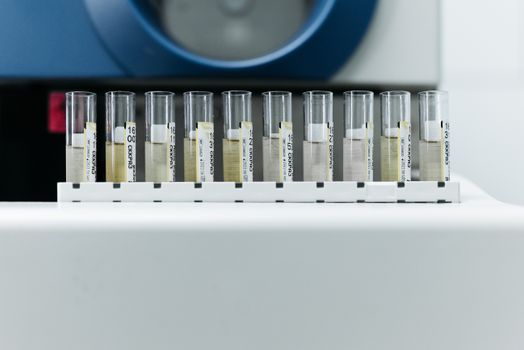
Imagine being a detective for water! You would take samples of water from different places, like rivers or taps, and test them in a lab to make sure they are clean and safe for everyone to drink and use. It's like being a scientist who protects our health by checking the water.

Flag Media

Please select a reason for flagging this content.

Environmental Scientist for Water

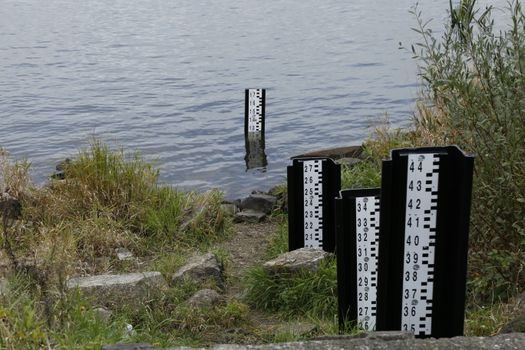
This job is about understanding how water systems work and keeping them healthy. You might study how pollution affects rivers and lakes, or find ways to protect water sources for wildlife and people. You could work outdoors collecting data or in an office analysing information to help make important decisions about water.

Flag Media

Please select a reason for flagging this content.

Wastewater Treatment Plant Operator

When water goes down the drain, it needs to be cleaned before it can go back into the environment. A Wastewater Treatment Plant Operator manages the machinery and processes that remove dirt and bad stuff from used water. It's a really important job that helps keep our environment clean and healthy for everyone.

Build a Strong Foundation

Excel in Science and Maths

Focus on your science subjects like Chemistry, Biology, and Physics, and make sure your Maths skills are strong. These subjects are really important for understanding how water treatment works.

At school, pay extra attention in your science lessons. You'll learn about things like chemicals, how living things work (which is important for treating wastewater), and the physics of how water moves. Maths is essential for calculations, designing systems, and understanding data. Aim for good grades in these subjects to open doors for future studies.

Explore STEM Clubs and Activities

Join school clubs or activities related to Science, Technology, Engineering, and Maths (STEM). This can be a fun way to learn more and see if engineering is for you.

Look out for STEM clubs at your school or in your local area. These clubs often do exciting projects, experiments, and challenges that can spark your interest in engineering. You might build simple models, conduct experiments with water, or even visit engineering sites. This hands-on experience can be really valuable and help you understand what engineers do.

Research Water and Environment

Start learning about water – where it comes from, how it gets dirty, and why it's so important to clean it. Watch documentaries or read books about water and environmental issues.

There are many fantastic resources online and in libraries about water cycles, pollution, and conservation. Understanding the 'why' behind water treatment is just as important as the 'how'. Learning about environmental challenges and how engineers contribute to solutions can inspire you and confirm your interest in this career path.

Further Your Education

Choose A-Levels or Equivalent

When you're choosing your A-levels (or Scottish Highers/BTECs), pick subjects that will help you get into a good engineering degree at university.

Typically, you'll want to choose Maths, Physics, and Chemistry. Biology can also be very useful, especially for understanding biological processes in wastewater treatment. Some universities might also accept subjects like Engineering or Environmental Science. Always check the specific entry requirements for the university courses you're interested in.

University Degree in Engineering

The most common path is to study for a university degree in a relevant engineering subject.

Look for degrees like Civil Engineering, Chemical Engineering, Environmental Engineering, or Water Engineering. These courses will teach you all the in-depth knowledge and skills needed for water treatment. Many degrees offer placements or internships, which are fantastic for getting real-world experience and making connections in the industry.

Consider Apprenticeships

Another great way to become an engineer is through an apprenticeship, where you learn on the job and get a qualification at the same time.

Higher and degree apprenticeships in engineering are becoming more popular. They allow you to work for a company in the water industry, earn a salary, and study for a university-level qualification simultaneously. This combines practical experience with academic learning, and you'll often have a job waiting for you at the end.

Gain Experience and Specialise

Seek Work Experience and Internships

Try to get some work experience during your studies, either through summer internships or placements. This gives you a real feel for the job.

Many water companies and engineering firms offer internships or placements for students. This is an invaluable opportunity to see how water treatment plants operate, meet engineers, and apply what you've learned in a practical setting. It also looks great on your CV when you apply for your first proper job after graduating.

Start as a Graduate Engineer

After university, you'll likely start in an entry-level position, often as a Graduate Engineer, to learn the ropes.

Many large engineering companies and water utilities have graduate schemes. These structured programmes usually last 1-3 years and involve working in different departments or on various projects, giving you a broad understanding of the company and industry. It's a great way to gain diverse experience and develop your professional skills.

Work Towards Professional Registration

Once you have enough experience, you can work towards becoming a professionally registered engineer, like a Chartered Engineer (CEng).

Professional registration with an engineering institution (like the Institution of Civil Engineers or the Institution of Chemical Engineers) shows you are highly skilled and committed to your profession. It involves demonstrating your competence and experience, often through a professional review process. This is a key step for career progression and becoming a recognised expert in your field.

🎬 Useful Videos

🎯 View Apprenticeships

Explore relevant apprenticeships that can help you kickstart your career in Water Treatment Engineer. Apprenticeships offer hands-on experience and training while earning a wage.

Career Progressions

This page showcases various career options and the pathways to reach them. Each career listed here shares transferable skills and knowledge, making it easier for individuals to transition between them.

Your current career is highlighted to help you see how it fits into the broader landscape of potential career choices. By clicking on any career, you can learn more about it, including the training and education required to pursue it.

Remember, progressing in your career often involves further learning and training. This page provides insights into future career options as well as those that can lead up to your current one.

These career progression decisions are informed by comparing the skills and knowledge needed for different occupations, along with data on how people move between them. Explore the possibilities and discover the exciting journey ahead in your career!

Sample Qualifications

A Water Treatment Engineer designs and manages systems for water purification, often requiring a strong understanding of water resources, quality, and environmental impact, which aligns closely with the expertise of a Hydrologist.

How to become

You can get into this job through:

  • a university course
  • an apprenticeship
  • working towards this role

University

You'll need a first degree, and often postgraduate training, to get into hydrology. Degrees include:

  • environmental science
  • geography
  • civil engineering
  • environmental engineering
  • Earth sciences
  • ecology

Postgraduate courses

After finishing your degree, you could complete a postgraduate course. You can find postgraduate courses through the British Hydrological Society.

Entry requirements

You'll usually need:

  • 2 to 3 A levels, or equivalent, for a degree
  • a degree in a relevant subject for postgraduate study

More Information

Apprenticeship

You could apply for an Environmental Practitioner or Geoscientist Level 6 Degree Apprenticeship before specialising in hydrology.

These can take up to 5 years to complete and are a mix of learning on the job and studying at an approved university.

Entry requirements

Employers will set their own entry requirements.

More Information

Work

You could start as an assistant hydrologist or technical officer, if you have a degree in a science or environmental subject.

Your employer may encourage you to take a postgraduate qualification while you're working, like a master's degree in hydrology.

More Information

Career tips

The UK Centre for Ecology and Hydrology has information about hydrology, including work on water pollution, flooding and drought.

Professional and industry bodies

You can join the British Hydrological Society or Chartered Institution of Water and Environmental Management.

This could help you find:

  • industry news
  • advice on professional development
  • networking opportunities

Further information

You can learn about different types of hydrology work through the British Hydrological Society.

You can also find out more about being a hydrologist from The Geological Society.

Interested in More Career Paths?

Explore other careers or use our AI to discover personalised paths based on your interests.

Stay connected

Join our newsletter to stay up to date on features and releases

Address
Developing Experts Limited
Exchange Street Buildings
35-37 Exchange Street
Norwich
NR2 1DP
UK

Phone
01603 273515

Email
[email protected]

Copyright 2026 Developing Experts, All rights reserved.
