
Creating Career Path...

Finding Further Careers...

Wildlife Filmmaker

View this career for different education levels:

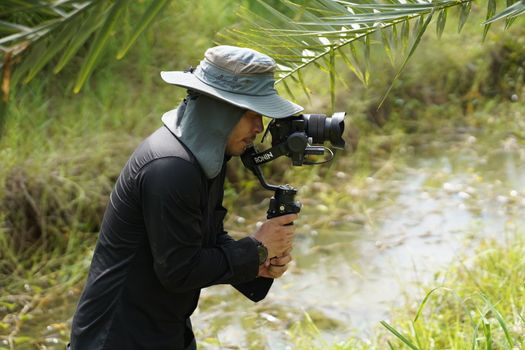
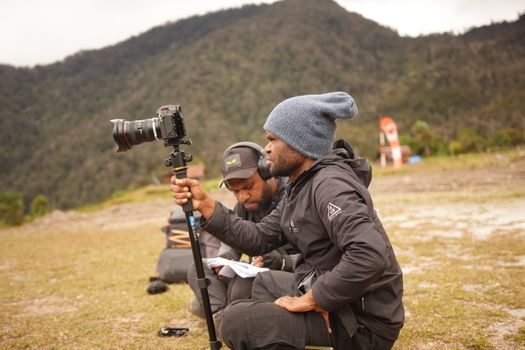
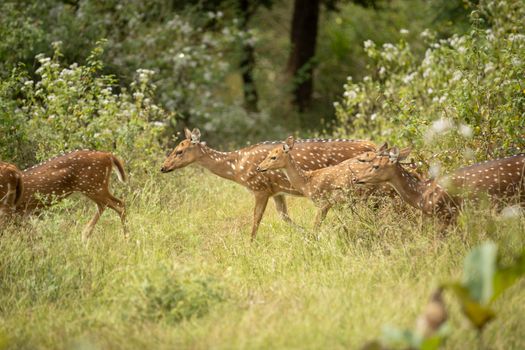
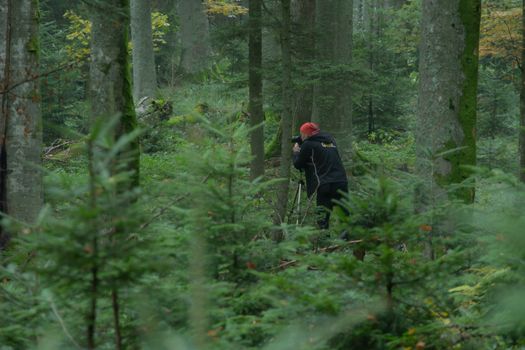
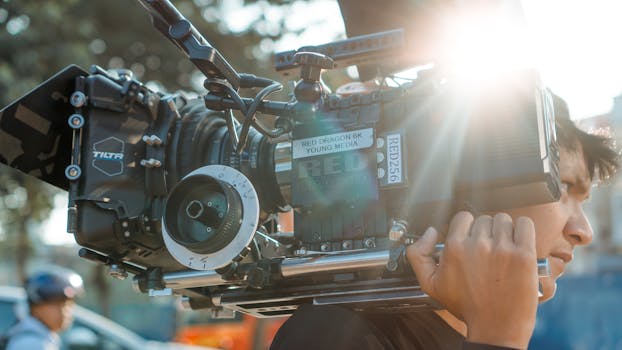
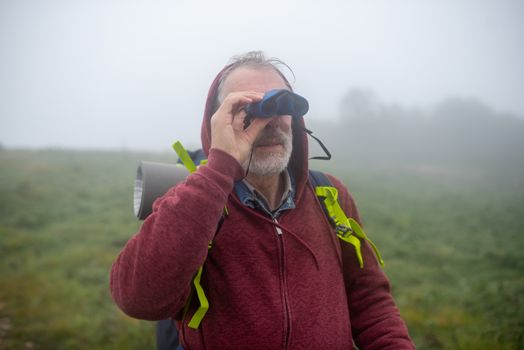
A Wildlife Filmmaker in the UK captures compelling footage of animals and their habitats for documentaries, television series, and educational content. This career blends a passion for nature with technical filmmaking expertise. It involves extensive research, planning expeditions, often spending long periods in challenging environments, and possessing a deep understanding of animal behaviour to anticipate and capture natural events ethically and safely. The role requires proficiency with various camera equipment, sound recording gear, and often drone operation, alongside strong storytelling abilities to craft engaging narratives from raw footage. Post-production skills, including editing and colour grading, are also frequently part of the job, especially for independent filmmakers or smaller production teams. Working as a Wildlife Filmmaker is far from a typical 9-to-5 job; it demands immense dedication, adaptability, and often involves unsociable hours, travel, and extended periods away from home. Filmmakers might specialise in areas such as cinematography, directing, producing, or research. Many start in entry-level roles like production runners, researchers, or assistant camera operators, gaining hands-on experience and building a portfolio. Networking within the UK's robust natural history filmmaking sector, particularly in Bristol, is crucial for securing opportunities and advancing in this highly sought-after field.

Wildlife Filmmaker

Flag Media

Please select a reason for flagging this content.

📊 Statistics

Salary Range (UK)

Starting salaries for wildlife filmmakers can be around £18,000 to £25,000 per year for entry-level production assistant or researcher roles. Experienced filmmakers, producers, or directors can earn significantly more, often ranging from £35,000 to over £60,000 annually, depending on their specialism, project scope, and freelance rates.

Job Outlook (UK)

The wildlife filmmaking industry in the UK is competitive but vibrant, largely concentrated around hubs like Bristol. While precise figures for 'wildlife filmmakers' specifically are hard to isolate, the broader film and TV production sector consistently creates thousands of jobs annually. Opportunities often arise on a project-by-project basis, making networking and building a portfolio crucial.

Key Skills Needed

Beyond technical camera and editing skills, successful wildlife filmmakers in the UK often possess strong research abilities, storytelling prowess, resilience, patience, and a deep understanding of animal behaviour and conservation issues. Excellent communication and teamwork skills are also vital for collaborating with crews and experts.

🚀 Careers in this path

Flag Media

Please select a reason for flagging this content.

Wildlife Camera Operator

Focuses primarily on operating cameras to capture footage of wildlife in natural habitats, often for documentaries, TV programmes, or scientific research. This role involves strong technical skills in camerawork and an understanding of animal behaviour, frequently working as part of a larger production crew.

Flag Media

Please select a reason for flagging this content.

Wildlife Researcher and Field Assistant

Works in the field to collect data, monitor animal populations, and assist scientists or conservationists. While not a filmmaking role directly, it offers invaluable hands-on experience with wildlife and environments, which can be a strong foundation for later transitioning into filmmaking or specialising in a specific species for documentary work.

Flag Media

Please select a reason for flagging this content.

Conservation Documentary Producer

Combines a passion for wildlife with strong storytelling and project management skills. This role involves developing concepts for documentaries, securing funding, managing production teams, and overseeing the entire filmmaking process with a focus on conservation messages and impact. It requires a blend of creative and organisational abilities.

Build Foundational Skills & Knowledge

Study Relevant Subjects

Gain a strong academic foundation in subjects that will be crucial for wildlife filmmaking.

Consider pursuing a degree in subjects such as zoology, biology, environmental science, marine biology, or a related field. This will provide you with in-depth knowledge of animal behaviour, ecology, and conservation issues, which is vital for understanding and interpreting the subjects you'll film. Alternatively, a degree in film production, cinematography, or media studies can provide the technical skills, though you'd then need to self-study or gain experience in natural sciences. Some universities even offer specialist courses in wildlife media.

Develop Practical Filming Skills

Learn the technical aspects of camera operation, sound recording, and editing.

This is hands-on work. Start by experimenting with any camera you have – your phone, a DSLR, or a camcorder. Learn about shot composition, lighting, audio recording, and editing software (e.g., Adobe Premiere Pro, DaVinci Resolve). Online tutorials, workshops, and short courses can be incredibly helpful. Practice filming local wildlife, pets, or even inanimate objects to hone your skills before tackling more complex subjects.

Understand the Industry

Familiarise yourself with the wildlife film industry, its trends, and key players.

Research production companies, major broadcasters (e.g., BBC Natural History Unit, National Geographic), and influential filmmakers. Attend industry events, watch wildlife documentaries critically, and read trade publications. Understanding the types of stories being told, the technical standards, and the ethical considerations involved will give you a significant advantage and help you network effectively.

Gain Experience & Network

Create a Showreel

Compile your best work into a professional showreel to demonstrate your capabilities.

Your showreel is your visual CV. It should be short, impactful, and highlight your most compelling shots and editing skills. Include a variety of footage if possible, showcasing different techniques and subject matter. Even if it's amateur footage from your local park or garden, focus on strong narratives, good quality audio, and sharp visuals. Keep it updated as your skills develop.

Seek Internships or Volunteer Roles

Gain practical, on-the-job experience with established organisations or projects.

Look for opportunities with wildlife charities, conservation projects, local film production companies, or even university film projects. These roles, even if unpaid, can offer invaluable experience in fieldwork, camera assisting, research, or post-production. They provide a chance to learn from experienced professionals, understand workflow, and start building your professional network within the industry.

Network Actively

Connect with professionals in the wildlife filmmaking and conservation communities.

Attend film festivals, industry conferences (like Wildscreen Festival in Bristol), workshops, and online forums. Join professional associations. Use platforms like LinkedIn to connect with filmmakers, producers, and researchers. Informational interviews can be highly beneficial – reaching out to ask about their career paths and advice. Building relationships is crucial for discovering opportunities and gaining mentorship.

Specialise & Advance

Develop a Niche

Identify an area of expertise or a unique storytelling approach to stand out.

The wildlife filmmaking world is competitive. Consider specialising in a particular type of animal (e.g., birds, marine life), a specific ecosystem (e.g., rainforests, arctic), or a particular technique (e.g., drone filming, macro photography, time-lapse). Developing a unique perspective or a distinctive visual style can help you get noticed and establish your reputation as an expert in that domain.

Continuous Learning & Adaptation

Stay updated with new technologies, techniques, and conservation issues.

The field of filmmaking and wildlife conservation is constantly evolving. Keep learning about new camera equipment, editing software, drone technology, remote sensing, and storytelling techniques. Attend advanced workshops, read up on the latest scientific discoveries, and be aware of emerging conservation challenges. This commitment to ongoing development ensures your skills remain cutting-edge and relevant.

Pitch Your Own Projects

Develop and pitch original documentary ideas to production companies or broadcasters.

Once you have a solid portfolio and some experience, start thinking about stories you want to tell. Research potential subjects, develop a compelling narrative, outline your proposed approach, and create a strong pitch document or sizzle reel. This demonstrates initiative and creative vision, potentially leading to commissions or collaborations on your own projects, moving you from crew member to director/producer.

🎯 View Apprenticeships

Explore relevant apprenticeships that can help you kickstart your career in Wildlife Filmmaker. Apprenticeships offer hands-on experience and training while earning a wage.

Career Progressions

This page showcases various career options and the pathways to reach them. Each career listed here shares transferable skills and knowledge, making it easier for individuals to transition between them.

Your current career is highlighted to help you see how it fits into the broader landscape of potential career choices. By clicking on any career, you can learn more about it, including the training and education required to pursue it.

Remember, progressing in your career often involves further learning and training. This page provides insights into future career options as well as those that can lead up to your current one.

These career progression decisions are informed by comparing the skills and knowledge needed for different occupations, along with data on how people move between them. Explore the possibilities and discover the exciting journey ahead in your career!

Sample Qualifications

A Wildlife Filmmaker's primary role involves operating cameras to capture footage in natural environments, which aligns closely with the core duties of a TV or film camera operator, albeit with a specialised subject matter.

How to become

You can get into this job through:

  • a university course
  • a college course
  • an apprenticeship
  • volunteering
  • industry training

University

You can take a university course to develop your camera skills. Relevant courses include:

  • media production
  • media and moving image
  • photography
  • digital film technology

It may give you an advantage if you can find a course that offers practical and work experience opportunities like shadowing, internships or a placement.

Entry requirements

You'll usually need:

  • 2 to 3 A levels, or equivalent, for a degree

More Information

College

You can take a college course to learn some of the skills needed to get a trainee position, such as:

  • creative media production
  • film and television production
  • photography
  • art and design
  • T Level in Media, Broadcast and Production

Entry requirements

Entry requirements for these courses vary.

  • 4 or 5 GCSEs at grades 9 to 4 (A* to C), or equivalent, including English and maths for a T Level

More Information

Apprenticeship

You could apply to do a Camera Prep Technician Level 3 Advanced Apprenticeship, which may help you to secure a trainee operator role with a production company.

This takes around 2 years to complete.

Entry requirements

You'll usually need:

  • 5 GCSEs at grades 9 to 4 (A* to C), or equivalent, including English and maths, for an advanced apprenticeship

More Information

Work

You might be able to find work as a production runner or camera assistant with a production company. As your experience and contact list grows, you may be able to do training on the job in camera work.

Volunteering

It's useful to get as much practical experience as you can, which can help when applying for jobs. This can include:

  • student film or TV productions
  • community film projects
  • working for a camera equipment rental company

Other Routes

You may be able to do short courses through the National Film and Television School to get familiar with camera technology and film and TV production.

More Information

Career tips

As a trainee, you must be prepared to be flexible and to take on different tasks in a camera department. You might also have to work long hours at times. A keen interest in cinematography is essential.

Further information

You can find advice about how to become a trainee camera operator from ScreenSkills.

You can get more information about careers in the film industry from My First Job in Film and Get Into Film.

Interested in More Career Paths?

Explore other careers or use our AI to discover personalised paths based on your interests.

Stay connected

Join our newsletter to stay up to date on features and releases

Address
Developing Experts Limited
Exchange Street Buildings
35-37 Exchange Street
Norwich
NR2 1DP
UK

Phone
01603 273515

Email
[email protected]

Copyright 2026 Developing Experts, All rights reserved.
