
Creating Career Path...

Finding Further Careers...

Wildlife Filmmaker

View this career for different education levels:

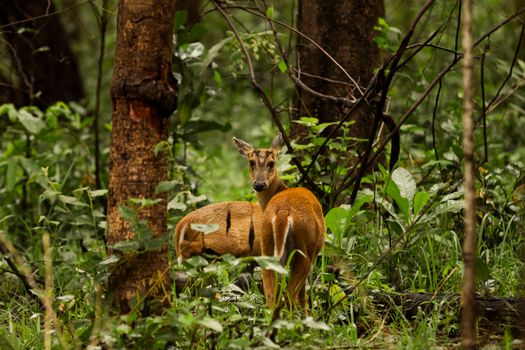
Imagine spending your days hidden in a forest, patiently waiting for a badger to appear, or diving deep into the ocean to film colourful fish. That's a bit like what a wildlife filmmaker does! Their main job is to film animals and nature in their natural homes, capturing amazing moments and stories to share with the world. They use cameras, microphones, and other equipment to record footage, often in very remote or wild places, both in the UK and around the globe. This isn't just about pressing 'record'; it involves lots of planning, understanding animal behaviour, and being very patient. They might spend weeks, months, or even years on a single project, trying to get just the right shot. A wildlife filmmaker also needs to be a bit of a storyteller. After capturing all that footage, they work with editors to turn it into documentaries or TV programmes. This means choosing the best clips, adding music and narration, and making sure the story is exciting and teaches people something new about the natural world. It's a job that combines a love for animals and nature with a passion for creative filmmaking and technology. You need to be resilient, good at problem-solving, and not mind spending a lot of time outdoors, sometimes in challenging weather!

Wildlife Filmmaker

Flag Media

Please select a reason for flagging this content.

📊 Statistics

Starting Salary

Early career or assistant roles might see salaries from around 18,000 to 25,000 pounds per year in the UK, especially for entry-level positions or production assistants.

Experienced Salary

With experience, a wildlife filmmaker in the UK can expect to earn between 30,000 and 50,000 pounds annually. Highly experienced directors or producers working on major productions can earn significantly more, sometimes exceeding 60,000 pounds.

Job Market Note

This is a competitive field in the UK, often with fewer permanent positions available. Many roles are project-based or freelance, meaning income can vary depending on work availability and reputation.

🚀 Careers in this path

Flag Media

Please select a reason for flagging this content.

Wildlife Cameraman or Camerawoman

This involves filming animals and their habitats in natural environments for documentaries, TV shows, or educational content. It often means spending time outdoors, being patient, and learning how to use specialist camera equipment.

Flag Media

Please select a reason for flagging this content.

Nature Documentary Presenter

This role is about appearing on camera to introduce and explain wildlife topics, often from exciting locations. You would research animals, write scripts, and talk clearly and engagingly to help viewers understand the natural world.

Flag Media

Please select a reason for flagging this content.

Wildlife Researcher or Field Assistant

Before filming begins, someone needs to find out where the animals are, what they do, and the best way to film them without disturbing them. This role involves observing animals, taking notes, and helping the film crew plan their shoots.

Build Your Knowledge & Skills

Watch and Learn

Start by watching lots of nature documentaries and wildlife programmes to see how they are made and the types of stories they tell.

Pay attention to how the filmmakers capture different animals, the camera angles they use, and how they build excitement or emotion. Notice the narration and music. Think about what makes a wildlife film really engaging. You can find these on TV, streaming services, or online video platforms. Some famous examples include Planet Earth, Blue Planet, and Springwatch.

Study Wildlife

Learn as much as you can about different animals, their behaviours, and their habitats. This will help you know what to look for when filming.

Read books, visit zoos or wildlife parks, and spend time outdoors observing local wildlife, even in your garden or a local park. Understanding animal behaviour is crucial for predicting their movements and capturing natural moments. Knowing about different ecosystems will also help you understand where to find specific animals and how to film ethically without disturbing them.

Practise with a Camera

Get your hands on any camera you can – even a phone camera – and start filming things around you. Learn how it works.

Experiment with different camera settings like zoom, focus, and lighting. Try filming your pets, birds in your garden, or even just objects around your house from different angles. The more you practise, the more comfortable you'll become with operating a camera and understanding how to get the shots you want. This hands-on experience is incredibly valuable for developing your technical skills.

Gain Experience & Education

Join Clubs or Volunteer

Look for wildlife clubs, nature groups, or volunteering opportunities with local conservation charities. You might even find school clubs for media.

These activities can give you practical experience working with animals or using media equipment. Volunteering at a nature reserve or animal sanctuary will teach you about animal care and conservation, which is a huge part of understanding the world you want to film. Joining a media club could help you learn about video editing and storytelling. These experiences look great on your future applications.

Consider Your Studies

When you're older, think about studying subjects like Biology, Zoology, Media Studies, Film Production, or Photography at college or university.

These subjects will give you a strong foundation in either the scientific understanding of wildlife or the technical skills needed for filmmaking. Some universities even offer specific degrees in Wildlife Filmmaking or Natural History Media, which are perfect for this career. If a full degree isn't for you, there are also vocational courses and apprenticeships in media production or conservation that can provide valuable skills and pathways.

Create Your Own Projects

Start making your own short wildlife films, even if they're just about squirrels in the park. This builds your portfolio.

Use the camera skills you've developed to tell short stories about local wildlife. Experiment with different filming techniques, sound recording, and editing software. Share your work with friends and family to get feedback. Every film you make, no matter how small, adds to your experience and gives you something to show potential employers or universities later on. This is called building a 'showreel' or 'portfolio'.

Launch Your Career

Seek Internships or Entry-Level Roles

Look for internships, work experience, or entry-level jobs in film production companies, especially those that make documentaries.

Many wildlife filmmakers start as production assistants, researchers, or runners. These roles might not involve filming immediately, but they are fantastic for learning how the industry works from the inside, making connections, and getting your foot in the door. You'll learn about planning, logistics, equipment, and the post-production process, all of which are vital for a successful filmmaking career.

Network and Collaborate

Meet other filmmakers, scientists, and wildlife enthusiasts. Share your ideas and skills, and work together on projects.

Attending industry events, film festivals, or even joining online communities can help you meet people who share your passion. Collaborating on projects, even small ones, can lead to bigger opportunities and help you learn from others. The filmmaking world often relies on connections, and building a good network can open doors to new roles and exciting projects.

Keep Learning and Adapting

The world of filmmaking and technology is always changing. Keep learning new camera techniques, editing software, and conservation knowledge.

New cameras, drones, and editing software are constantly being developed. Staying up-to-date with these technologies will make you more valuable as a filmmaker. Also, continue to learn about conservation issues and new scientific discoveries to keep your stories fresh and relevant. The best wildlife filmmakers are always curious and committed to improving their craft.

🎯 View Apprenticeships

Explore relevant apprenticeships that can help you kickstart your career in Wildlife Filmmaker. Apprenticeships offer hands-on experience and training while earning a wage.

Career Progressions

This page showcases various career options and the pathways to reach them. Each career listed here shares transferable skills and knowledge, making it easier for individuals to transition between them.

Your current career is highlighted to help you see how it fits into the broader landscape of potential career choices. By clicking on any career, you can learn more about it, including the training and education required to pursue it.

Remember, progressing in your career often involves further learning and training. This page provides insights into future career options as well as those that can lead up to your current one.

These career progression decisions are informed by comparing the skills and knowledge needed for different occupations, along with data on how people move between them. Explore the possibilities and discover the exciting journey ahead in your career!

Sample Qualifications

A Wildlife Filmmaker's primary role involves operating cameras to capture footage, which directly aligns with the duties of a TV or film camera operator, albeit with a specialised focus on wildlife and natural environments.

How to become

You can get into this job through:

  • a university course
  • a college course
  • an apprenticeship
  • volunteering
  • industry training

University

You can take a university course to develop your camera skills. Relevant courses include:

  • media production
  • media and moving image
  • photography
  • digital film technology

It may give you an advantage if you can find a course that offers practical and work experience opportunities like shadowing, internships or a placement.

Entry requirements

You'll usually need:

  • 2 to 3 A levels, or equivalent, for a degree

More Information

College

You can take a college course to learn some of the skills needed to get a trainee position, such as:

  • creative media production
  • film and television production
  • photography
  • art and design
  • T Level in Media, Broadcast and Production

Entry requirements

Entry requirements for these courses vary.

  • 4 or 5 GCSEs at grades 9 to 4 (A* to C), or equivalent, including English and maths for a T Level

More Information

Apprenticeship

You could apply to do a Camera Prep Technician Level 3 Advanced Apprenticeship, which may help you to secure a trainee operator role with a production company.

This takes around 2 years to complete.

Entry requirements

You'll usually need:

  • 5 GCSEs at grades 9 to 4 (A* to C), or equivalent, including English and maths, for an advanced apprenticeship

More Information

Work

You might be able to find work as a production runner or camera assistant with a production company. As your experience and contact list grows, you may be able to do training on the job in camera work.

Volunteering

It's useful to get as much practical experience as you can, which can help when applying for jobs. This can include:

  • student film or TV productions
  • community film projects
  • working for a camera equipment rental company

Other Routes

You may be able to do short courses through the National Film and Television School to get familiar with camera technology and film and TV production.

More Information

Career tips

As a trainee, you must be prepared to be flexible and to take on different tasks in a camera department. You might also have to work long hours at times. A keen interest in cinematography is essential.

Further information

You can find advice about how to become a trainee camera operator from ScreenSkills.

You can get more information about careers in the film industry from My First Job in Film and Get Into Film.

Interested in More Career Paths?

Explore other careers or use our AI to discover personalised paths based on your interests.

Stay connected

Join our newsletter to stay up to date on features and releases

Address
Developing Experts Limited
Exchange Street Buildings
35-37 Exchange Street
Norwich
NR2 1DP
UK

Phone
01603 273515

Email
[email protected]

Copyright 2026 Developing Experts, All rights reserved.
