Creating Career Path...

Finding Further Careers...

Wildlife Filmmaker

View this career for different education levels:

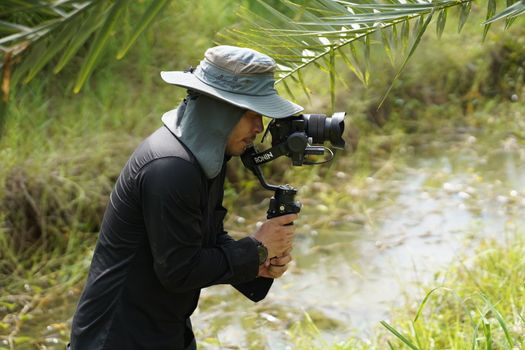
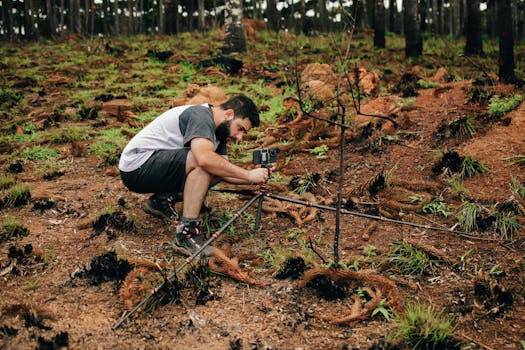
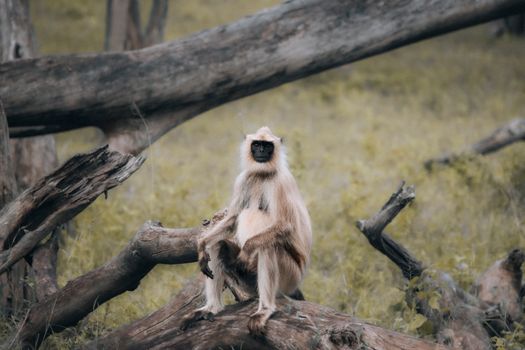
Imagine spending your days watching amazing animals and beautiful nature, then using a special camera to capture all their secrets! That is what a Wildlife Filmmaker does. They travel to different places, sometimes far away, to film animals like lions, elephants, or even tiny insects, in their natural homes. They need to be very patient, sometimes waiting for many hours to get the perfect shot. They learn how animals behave so they know the best time to film them. They also use special equipment, like long lenses or even drones, to get close without disturbing the animals. It is a job that helps everyone learn more about our planet and how important it is to protect its wild inhabitants. Being a Wildlife Filmmaker is not just about pressing a button on a camera. They also plan the film, decide what story they want to tell, and sometimes even help edit the footage afterwards. They might work with a team of people, including producers, sound engineers, and researchers, to make a fantastic nature documentary. It is a job for people who love nature, are good at solving problems, and do not mind getting a bit muddy or having to wait a long time to see something special!

Wildlife Filmmaker

Flag Media

Please select a reason for flagging this content.

📊 Statistics

Starting Salary

For someone just starting out as a Wildlife Filmmaker in the UK, they might earn around 18,000 to 25,000 pounds a year. This can vary a lot depending on the project and if they are freelance or work for a company.

Experienced Salary

With more experience and working on bigger shows, a Wildlife Filmmaker in the UK could earn between 30,000 and 50,000 pounds a year or even more for very senior roles or big projects.

Job Openings

It is quite a competitive job, meaning lots of people want to do it! There are not hundreds of new jobs every year, but opportunities do come up for those who work hard and learn lots of skills. Many roles are project-based or freelance.

🚀 Careers in this path

Flag Media

Please select a reason for flagging this content.

Nature Documentary Presenter

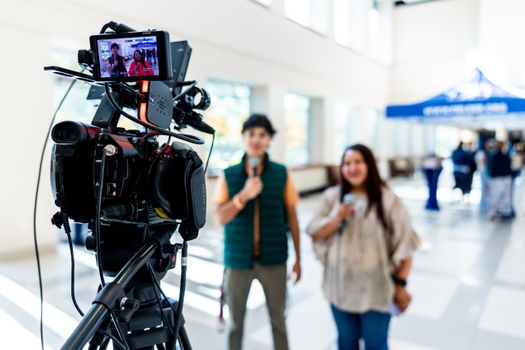
Imagine being on TV and teaching everyone about amazing animals and plants in the wild. You would travel to exciting places, meet cool creatures, and tell their stories to the world!

Flag Media

Please select a reason for flagging this content.

Animal Cameraman or Camerawoman

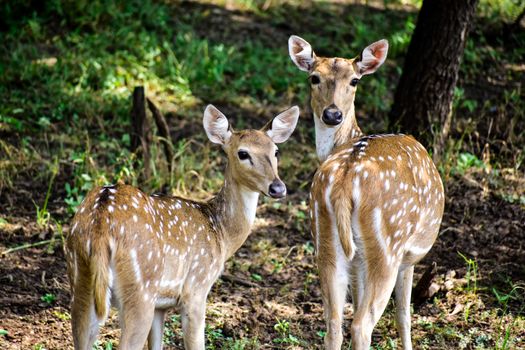
This is like being a detective with a camera! You would hide quietly and film animals doing their everyday things, like a fox playing with its cubs or a bird building its nest. You need to be super patient!

Flag Media

Please select a reason for flagging this content.

Wildlife Storyteller

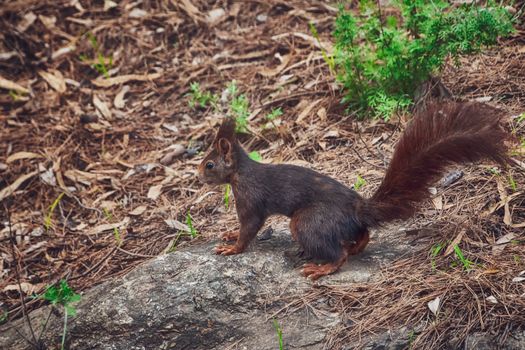
You get to write the exciting scripts and ideas for wildlife films. You would research different animals and their habitats, then come up with the best ways to show their lives and adventures to people watching at home.

Stage 1: Discovering Your Inner Animal Lover

Watch Nature Programmes

Watch exciting nature programmes on TV, like 'Planet Earth' or 'Blue Planet'. See how the filmmakers capture amazing shots of animals.

Start by watching lots of wildlife documentaries! Notice how the camera moves, what kind of animals they show, and how the story is told. Think about what makes a scene exciting or sad. This will help you understand what a wildlife filmmaker does and what makes a good animal story.

Read Animal Books

Pick up books about different animals and their habitats. The more you know, the better you'll understand them when you film!

Go to your local library or bookshop and find books about different types of animals, from tiny insects to giant whales. Learn about where they live, what they eat, and how they behave. Knowing these facts will make you a super smart wildlife filmmaker later on!

Explore Your Local Nature

Go to a park, garden, or local woods with a grown-up. Look for birds, squirrels, or insects and quietly observe what they do.

You don't need to travel far to see wildlife! Look for birds in your garden, squirrels in the park, or even ladybirds and spiders. Try to watch them without disturbing them. You could even draw what you see in a nature diary. This helps you practise being patient and observant, just like a real wildlife filmmaker.

Stage 2: Becoming a Mini Filmmaker

Practise with a Camera

Use a phone or a simple camera to film your pets, toys, or even your family doing funny things. Experiment with different angles!

Ask a grown-up if you can use their phone or a simple camera to film things around you. You could make a mini-movie about your pet cat playing, your favourite toy's adventure, or even how you make your favourite snack. Try holding the camera still, moving it slowly, or filming from high up or low down. This is all about playing and learning what the camera can do.

Tell a Story

Think about what story you want to tell with your mini-films. Even a short film about a squirrel can have a beginning, middle, and end!

When you're filming, think about what you want people to feel or learn. If you're filming a bird, maybe the story is about it finding food for its chicks. If it's a toy, maybe it's on a big adventure! Planning a simple story helps your film make sense and keeps people watching.

Share Your Films

Show your mini-films to your family and friends. Ask them what they liked and what could be even better next time.

Sharing your films is exciting! Your family and friends can give you ideas for how to make your next film even more amazing. Don't worry if it's not perfect; every filmmaker starts somewhere, and getting feedback helps you learn and grow. You could even create a special 'film festival' at home!

Stage 3: Looking to the Future

Learn About Animals and the World

Keep learning about animals, science, and geography in school. These subjects are super important for a wildlife filmmaker.

Pay attention in your science lessons, especially when you learn about animals, plants, and ecosystems. Geography will teach you about different parts of the world and their climates. Learning these things in school gives you a strong foundation for understanding the natural world you'll want to film.

Join a Nature Club

If there's a nature club or wildlife group near you, join it! You'll meet other animal lovers and learn more about nature.

Ask a grown-up if there are any local nature clubs, wildlife trusts, or junior conservation groups. These clubs often organise fun activities like nature walks, pond dipping, or birdwatching. It's a fantastic way to spend time outdoors, meet new friends who love animals too, and discover even more about the amazing creatures around us.

Dream Big

Keep dreaming about the amazing animals and places you want to film one day. Imagine the stories you'll tell!

Hold onto your dreams! Picture yourself travelling to far-off lands, spotting a rare animal, and capturing it beautifully on camera. Think about what kind of stories you'd want to tell the world. This keeps your passion alive and helps you stay focused on your exciting goal of becoming a wildlife filmmaker.

🎬 Useful Videos

🎯 View Apprenticeships

Explore relevant apprenticeships that can help you kickstart your career in Wildlife Filmmaker. Apprenticeships offer hands-on experience and training while earning a wage.

Career Progressions

This page showcases various career options and the pathways to reach them. Each career listed here shares transferable skills and knowledge, making it easier for individuals to transition between them.

Your current career is highlighted to help you see how it fits into the broader landscape of potential career choices. By clicking on any career, you can learn more about it, including the training and education required to pursue it.

Remember, progressing in your career often involves further learning and training. This page provides insights into future career options as well as those that can lead up to your current one.

These career progression decisions are informed by comparing the skills and knowledge needed for different occupations, along with data on how people move between them. Explore the possibilities and discover the exciting journey ahead in your career!

Sample Qualifications

A Wildlife Filmmaker primarily operates cameras to capture footage of wildlife, which aligns directly with the core duties of a TV or film camera operator, albeit with a specialised subject matter.

How to become

You can get into this job through:

  • a university course
  • a college course
  • an apprenticeship
  • volunteering
  • industry training

University

You can take a university course to develop your camera skills. Relevant courses include:

  • media production
  • media and moving image
  • photography
  • digital film technology

It may give you an advantage if you can find a course that offers practical and work experience opportunities like shadowing, internships or a placement.

Entry requirements

You'll usually need:

  • 2 to 3 A levels, or equivalent, for a degree

More Information

College

You can take a college course to learn some of the skills needed to get a trainee position, such as:

  • creative media production
  • film and television production
  • photography
  • art and design
  • T Level in Media, Broadcast and Production

Entry requirements

Entry requirements for these courses vary.

  • 4 or 5 GCSEs at grades 9 to 4 (A* to C), or equivalent, including English and maths for a T Level

More Information

Apprenticeship

You could apply to do a Camera Prep Technician Level 3 Advanced Apprenticeship, which may help you to secure a trainee operator role with a production company.

This takes around 2 years to complete.

Entry requirements

You'll usually need:

  • 5 GCSEs at grades 9 to 4 (A* to C), or equivalent, including English and maths, for an advanced apprenticeship

More Information

Work

You might be able to find work as a production runner or camera assistant with a production company. As your experience and contact list grows, you may be able to do training on the job in camera work.

Volunteering

It's useful to get as much practical experience as you can, which can help when applying for jobs. This can include:

  • student film or TV productions
  • community film projects
  • working for a camera equipment rental company

Other Routes

You may be able to do short courses through the National Film and Television School to get familiar with camera technology and film and TV production.

More Information

Career tips

As a trainee, you must be prepared to be flexible and to take on different tasks in a camera department. You might also have to work long hours at times. A keen interest in cinematography is essential.

Further information

You can find advice about how to become a trainee camera operator from ScreenSkills.

You can get more information about careers in the film industry from My First Job in Film and Get Into Film.

Interested in More Career Paths?

Explore other careers or use our AI to discover personalised paths based on your interests.

Stay connected

Join our newsletter to stay up to date on features and releases

Address
Developing Experts Limited
Exchange Street Buildings
35-37 Exchange Street
Norwich
NR2 1DP
UK

Phone
01603 273515

Email
[email protected]

Copyright 2026 Developing Experts, All rights reserved.