

Creating Career Path...

Finding Further Careers...

Photographer

View this career for different education levels:

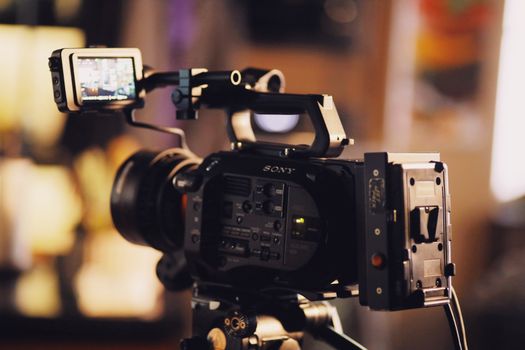
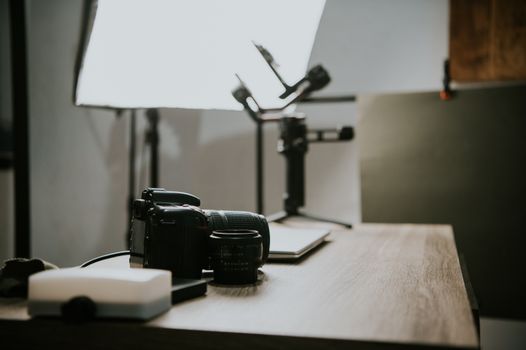
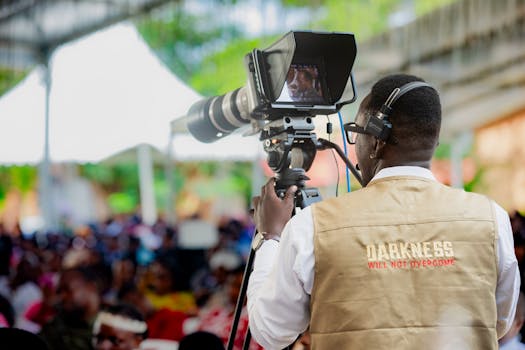
A photographer captures images using cameras and lighting equipment for a wide range of purposes, from artistic expression to commercial advertising. This career is incredibly diverse, encompassing various specialisms such as portraiture, fashion, documentary, photojournalism, commercial, architectural, and fine art photography. A significant part of the role involves not just taking the picture, but also the post-production work – editing, retouching, and colour grading – using software like Adobe Photoshop or Lightroom to enhance and refine images. Beyond the technical skills, a successful photographer needs a keen artistic eye, strong communication skills to direct subjects or understand client briefs, and often business acumen if working freelance. They might work in a studio, on location, or travel extensively, adapting their equipment and techniques to different environments and lighting conditions. Building a compelling portfolio is crucial for showcasing one's style and attracting clients, making continuous learning and adaptation to new technologies vital in this dynamic field.

Photographer

Flag Media

Please select a reason for flagging this content.

📊 Statistics

Average UK Salary

The average salary for a photographer in the UK typically ranges from £20,000 for those starting out or with less experience, up to £45,000 for experienced professionals, with top-tier or highly specialised photographers potentially earning £70,000 or more annually, particularly within commercial or fashion sectors. Income can vary significantly based on specialism, client base, and whether one is employed or self-employed.

Job Outlook and Opportunities

While precise 'number of positions' is hard to quantify due to the high proportion of self-employed photographers, the industry is competitive. Growth areas include digital content creation, e-commerce photography, and videography. Success often hinges on building a strong portfolio, networking, and effective marketing. Online platforms have also expanded the reach for photographers.

Typical Working Hours

Working hours for photographers are highly variable. For employed roles, it might be a standard 37-40 hour week. However, many photographers, especially freelancers, work irregular hours, often including evenings and weekends, particularly for events, weddings, or shoots requiring specific lighting conditions. Flexibility is key, and hours are often project-dependent.

🚀 Careers in this path

Flag Media

Please select a reason for flagging this content.

Commercial Photographer

Specialises in creating images for businesses and brands, often for advertising, marketing, or product catalogues. This could involve shooting products, corporate headshots, or imagery for websites and social media campaigns.

Flag Media

Please select a reason for flagging this content.

Photojournalist

Focuses on capturing newsworthy events and stories through photography, often working for newspapers, magazines, or online news outlets. This role requires a strong sense of storytelling and the ability to work in fast-paced environments.

Flag Media

Please select a reason for flagging this content.

Fashion Photographer

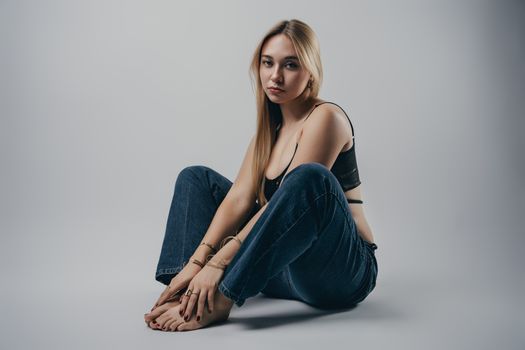
Works within the fashion industry, photographing models, clothing, and accessories for magazines, designers, and fashion brands. This often involves working on location or in studios with creative teams, including stylists and make-up artists.

Build Your Foundational Knowledge & Skills

Master Camera Basics and Techniques

Understand the fundamental principles of photography, including aperture, shutter speed, ISO, and composition, using various camera types.

Start by getting to grips with your camera's manual settings. Learn how changing aperture affects depth of field, how shutter speed controls motion blur, and how ISO impacts image noise. Experiment with different lenses to understand their effects. Practice the rules of composition like the rule of thirds, leading lines, and framing. There are numerous free online tutorials, photography books, and courses available to guide you.

Develop Post-Production Skills

Learn to use photo editing software to enhance your images, correct flaws, and apply your unique artistic style.

Proficiency in software like Adobe Lightroom and Photoshop is essential for most photographers. Begin by understanding basic adjustments such as exposure, contrast, white balance, and cropping. Progress to more advanced techniques like retouching, colour grading, and compositing. Many free or trial versions of software are available, alongside countless online tutorials on platforms like YouTube and Udemy.

Understand Light and Lighting Techniques

Acquire a solid understanding of how light works, both natural and artificial, and how to manipulate it effectively.

Light is the essence of photography. Learn to identify good natural light, understand its direction and quality (hard vs. soft). Experiment with artificial lighting sources such as flashguns, strobes, and continuous lights. Understand how modifiers like softboxes, umbrellas, and reflectors can shape light. This knowledge will dramatically improve the quality and mood of your photographs.

Gain Experience and Build Your Portfolio

Shoot Regularly and Experiment

Consistently practice your photography skills across different genres and conditions to find your niche and refine your style.

The best way to improve is to shoot constantly. Challenge yourself with personal projects, photograph friends and family, capture local events, or explore different locations. Don't be afraid to experiment with new techniques, lenses, and subjects. This active practice will help you discover what you enjoy most and where your talents lie, which is crucial for building a unique portfolio.

Create a Strong Online Portfolio

Showcase your best work on a professional website or online platform to attract potential clients and collaborators.

Your portfolio is your visual CV. Select only your strongest and most relevant images that demonstrate your technical skills and artistic vision. Consider platforms like Squarespace, WordPress, Adobe Portfolio, or even Instagram for initial exposure. Organise your work clearly by genre if you have multiple specialisms. Ensure your contact information is easily accessible.

Seek Feedback and Network

Share your work with peers and experienced photographers for constructive criticism and connect with others in the industry.

Join local photography clubs, online forums, or workshops. Ask for honest feedback on your work and be open to criticism – it's vital for growth. Attend industry events, art fairs, or photography exhibitions to meet other creatives. Networking can lead to mentorship opportunities, collaborations, and even paid work, helping you build a professional presence.

Professional Development and Career Launch

Specialise and Define Your Niche

Identify a specific area of photography that you are passionate about and want to pursue professionally.

Once you've experimented, you'll likely find certain genres resonate more with you. This could be wedding photography, commercial product photography, photojournalism, portraiture, fashion, or landscape. Specialising allows you to focus your efforts, build expertise, and market yourself more effectively to a specific client base. Tailor your portfolio to reflect your chosen niche.

Understand the Business of Photography

Learn about pricing, contracts, marketing, and managing your finances as a freelance or employed photographer.

Photography is also a business. Research standard rates for your chosen specialism, understand how to draw up client contracts, and learn about copyright law. Develop a marketing plan, which might include social media, SEO for your website, or local advertising. Manage your finances, including invoicing, taxes, and budgeting for equipment and business expenses. Many online resources and courses specifically cover the business side of photography.

Market Yourself and Secure Work

Actively promote your services, reach out to potential clients, and apply for relevant job opportunities.

Use your polished portfolio and networking contacts to proactively seek work. This could involve direct outreach to businesses, event organisers, or individuals, applying for assistant photographer roles, or looking for jobs on creative industry job boards. Consistency in marketing and persistence in seeking opportunities are key to building a sustainable career as a photographer. Start small, build your client base, and always deliver high-quality work and excellent service.

🎬 Useful Videos

🎯 View Apprenticeships

Explore relevant apprenticeships that can help you kickstart your career in Photographer. Apprenticeships offer hands-on experience and training while earning a wage.

Career Progressions

This page showcases various career options and the pathways to reach them. Each career listed here shares transferable skills and knowledge, making it easier for individuals to transition between them.

Your current career is highlighted to help you see how it fits into the broader landscape of potential career choices. By clicking on any career, you can learn more about it, including the training and education required to pursue it.

Remember, progressing in your career often involves further learning and training. This page provides insights into future career options as well as those that can lead up to your current one.

These career progression decisions are informed by comparing the skills and knowledge needed for different occupations, along with data on how people move between them. Explore the possibilities and discover the exciting journey ahead in your career!

Sample Qualifications

How to become

You can get into this job through:

  • a university course
  • a college course
  • an apprenticeship
  • working towards this role

University

You could do a foundation degree, higher national diploma or degree in:

  • photography
  • visual arts
  • commercial photography
  • art and design

Entry requirements

You'll usually need:

  • 1 or 2 A levels, or equivalent, for a foundation degree or higher national diploma
  • 2 to 3 A levels, or equivalent, for a degree

More Information

College

You could take a college course in photography. This might help you to find a job as a photographer's assistant in a studio.

Entry requirements

Entry requirements for these courses vary.

More Information

Apprenticeship

You could apply to do an apprenticeship to get into this role, for example, a Photographer Level 4 Higher Apprenticeship.

This apprenticeship takes around 1 year and 6 months to complete, and is a mix of training in the workplace and off-the-job study.

Entry requirements

You'll usually need:

  • 4 or 5 GCSEs at grades 9 to 4 (A* to C) and A levels, or equivalent, for a higher or degree apprenticeship

More Information

Work

You could start as a photographer's assistant and work your way up. It's normal to specialise in one kind of photography, like fashion, advertising, wildlife or photojournalism.

More Information

Career tips

You'll need a portfolio of your work to show your skills, interests and experience in photography. It will also help you to get noticed if you post examples of your work online.

Professional and industry bodies

The Association of Photographers offers membership for anyone with an interest in professional photography.

You can also apply to join the British Institute of Professional Photography.

Further information

You can get more details about a career in photography from The Association of Photographers.

Interested in More Career Paths?

Explore other careers or use our AI to discover personalised paths based on your interests.

Stay connected

Join our newsletter to stay up to date on features and releases

Address
Developing Experts Limited
Exchange Street Buildings
35-37 Exchange Street
Norwich
NR2 1DP
UK

Phone
01603 273515

Email
[email protected]

Copyright 2026 Developing Experts, All rights reserved.