

Creating Career Path...

Finding Further Careers...

Photographer

View this career for different education levels:

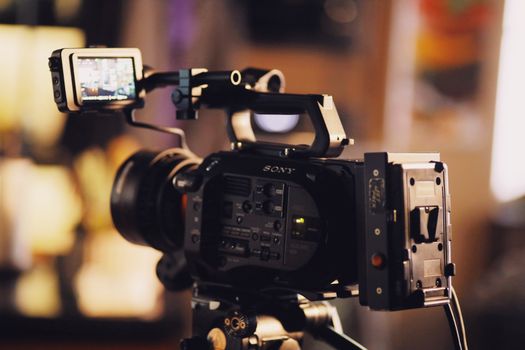
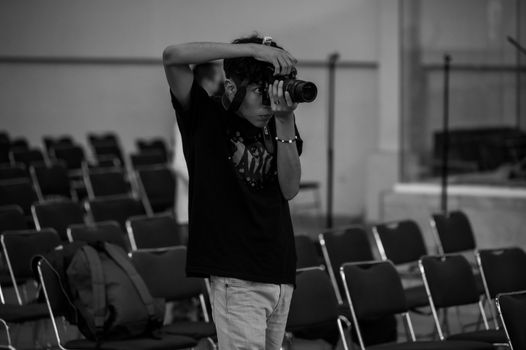
A photographer uses cameras and other equipment to capture images. This can be for lots of different reasons, like taking pictures of people, places, or products. They might work in a studio, outdoors, or at special events. Being a photographer is not just about pressing a button though; it involves understanding light, composition (how things are arranged in a picture), and often using computer software to edit and improve photos after they are taken. Photographers need to be creative, have a good eye for detail, and often be good at talking to people, especially if they are taking portraits or working at events. It is a career where you can really express yourself through your art.

Photographer

Flag Media

Please select a reason for flagging this content.

📊 Statistics

Average UK Salary

Starting photographers might earn around 18,000 to 22,000 pounds a year. Experienced photographers, especially those who are well-known or specialise in high-demand areas, could earn 40,000 pounds or more annually. Many photographers work freelance, meaning their income can vary a lot.

Number of Positions

The photography industry in the UK is very dynamic, with many people working as self-employed photographers. While exact figures for employed positions are harder to pinpoint due to the freelance nature, estimates suggest there are tens of thousands of working photographers across the UK. It is a competitive field.

Typical Working Hours

Working hours for a photographer can be very flexible and often depend on the projects they are working on. They might work regular office hours for studio shoots, but could also work evenings and weekends for events like weddings, concerts, or sports. Sometimes travel is involved, too.

🚀 Careers in this path

Flag Media

Please select a reason for flagging this content.

School Photographer

Imagine taking photos for your school's yearbook, sports day, or even class portraits. You'd learn to set up lighting, pose people, and capture fun memories for everyone to keep.

Flag Media

Please select a reason for flagging this content.

Nature Photographer

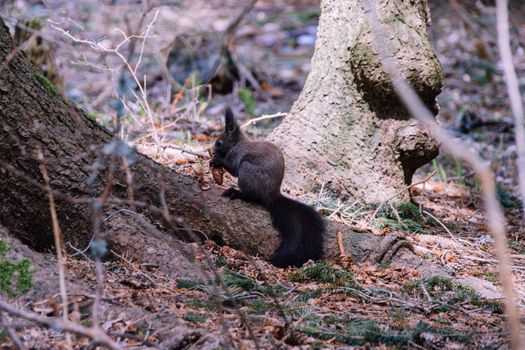
If you love animals and the outdoors, you could take pictures of birds, plants, and landscapes in your local park or garden. You'd learn about patience and how to get amazing shots of nature.

Flag Media

Please select a reason for flagging this content.

Event Photographer

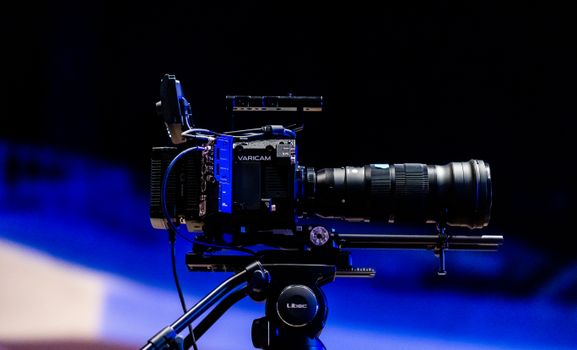
Think about taking photos at school plays, local fêtes, or birthday parties for friends and family. You'd be capturing exciting moments and helping people remember special occasions.

Exploring Your Passion

Get to Know Your Camera

Start by using any camera you have, even a phone camera. Experiment with different settings and see what happens.

Many smartphones now have excellent cameras with features like portrait mode, wide-angle lenses, and manual controls. Spend time playing with these, taking photos of everyday things around you. Try to take pictures in different lights – bright sunshine, cloudy days, and indoors. This will help you understand how light affects your photos.

Take Photos of Everything!

Practise taking photos of different subjects: people, pets, landscapes, food, or close-ups of interesting objects.

The more you photograph, the more you'll learn about what you enjoy shooting and what looks good. Look for interesting angles, colours, and textures. Don't be afraid to take lots of pictures – digital cameras mean you can delete the ones you don't like! You could even try setting yourself little photo challenges each week, like 'capture something red' or 'show movement'.

Learn from Others

Look at photos online or in books that you really like. Think about why you like them and how they were taken.

Websites like Instagram, Flickr, and even art galleries online are full of amazing photographs. When you see a picture you love, try to figure out what makes it special. Is it the light, the colours, the subject, or the way it's composed? You can also watch videos about photography on platforms like YouTube, where many photographers share tips and tricks for beginners.

Developing Your Skills

Understand the Basics

Learn about important photography terms like aperture, shutter speed, and ISO. These control how your photos look.

Aperture controls how much of your photo is in focus, shutter speed controls how movement is captured (fast for freezing action, slow for blurry movement), and ISO controls how sensitive your camera is to light. Understanding these three things, often called the 'exposure triangle', is key to taking control of your camera and moving beyond automatic settings. There are lots of easy-to-understand guides and videos online that explain these concepts in simple terms for young learners.

Try Different Styles

Experiment with different types of photography, like portraits, nature, sports, or still life, to find what you enjoy most.

Each type of photography has its own challenges and rewards. For example, portrait photography focuses on people and requires understanding expressions and lighting faces. Nature photography might involve early mornings and patience to capture wildlife or stunning landscapes. By trying various styles, you'll discover your strengths and what truly excites you. This will help you decide what kind of photographer you might want to be in the future.

Learn Photo Editing

Discover free editing apps or software to improve your pictures, adjusting colours, brightness, and cropping.

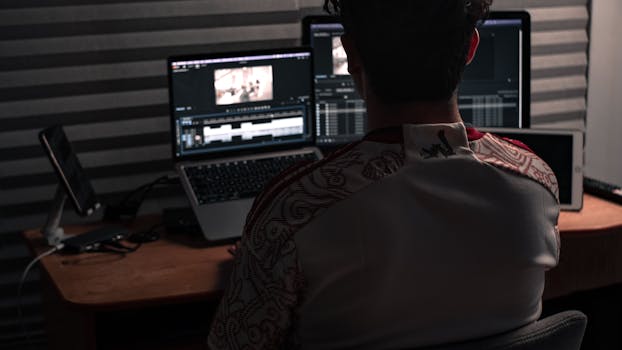
Editing is a big part of photography. It's where you can make your good photos even better! Apps like Snapseed (for phones), GIMP, or even basic editing tools on your computer can help you enhance your images. You can crop photos to improve their composition, adjust the brightness to make them clearer, or tweak the colours to make them more vibrant. It's like putting the finishing touches on your artwork.

Sharing Your Work

Create a Photo Collection

Start putting your best photos together in a digital album or a small printed book.

This collection, sometimes called a portfolio, is a way to show off your best work. You could use an online platform, create a simple blog, or even just save them in a special folder on your computer. Choosing your favourite photos helps you to see how much you've improved and what your unique style is. Think about telling a story with your pictures or showcasing a particular theme.

Join a Photography Club (if available)

Look for local photography groups or school clubs where you can meet other young photographers and share ideas.

Being part of a club means you can learn from others, get feedback on your photos, and even go on photo walks together. It's a great way to stay motivated and meet people who share your passion. If there isn't a club nearby, you could even start one with friends who are also interested in photography. Sharing your work and seeing others' perspectives can really help you grow.

Think About Further Education

When you're older, explore GCSEs, A-Levels, or college courses in photography or art and design.

If you really love photography and want to make a career out of it, there are academic paths you can take. Many schools offer GCSEs in Photography or Art and Design, which can teach you more advanced techniques and introduce you to different artistic concepts. After that, A-Levels or college courses can provide even deeper knowledge and practical experience, preparing you for university or direct entry into some photography roles. These courses often cover things like studio lighting, darkroom techniques (if you're interested in film), and the history of photography.

🎬 Useful Videos

🎯 View Apprenticeships

Explore relevant apprenticeships that can help you kickstart your career in Photographer. Apprenticeships offer hands-on experience and training while earning a wage.

Career Progressions

This page showcases various career options and the pathways to reach them. Each career listed here shares transferable skills and knowledge, making it easier for individuals to transition between them.

Your current career is highlighted to help you see how it fits into the broader landscape of potential career choices. By clicking on any career, you can learn more about it, including the training and education required to pursue it.

Remember, progressing in your career often involves further learning and training. This page provides insights into future career options as well as those that can lead up to your current one.

These career progression decisions are informed by comparing the skills and knowledge needed for different occupations, along with data on how people move between them. Explore the possibilities and discover the exciting journey ahead in your career!

Sample Qualifications

How to become

You can get into this job through:

  • a university course
  • a college course
  • an apprenticeship
  • working towards this role

University

You could do a foundation degree, higher national diploma or degree in:

  • photography
  • visual arts
  • commercial photography
  • art and design

Entry requirements

You'll usually need:

  • 1 or 2 A levels, or equivalent, for a foundation degree or higher national diploma
  • 2 to 3 A levels, or equivalent, for a degree

More Information

College

You could take a college course in photography. This might help you to find a job as a photographer's assistant in a studio.

Entry requirements

Entry requirements for these courses vary.

More Information

Apprenticeship

You could apply to do an apprenticeship to get into this role, for example, a Photographer Level 4 Higher Apprenticeship.

This apprenticeship takes around 1 year and 6 months to complete, and is a mix of training in the workplace and off-the-job study.

Entry requirements

You'll usually need:

  • 4 or 5 GCSEs at grades 9 to 4 (A* to C) and A levels, or equivalent, for a higher or degree apprenticeship

More Information

Work

You could start as a photographer's assistant and work your way up. It's normal to specialise in one kind of photography, like fashion, advertising, wildlife or photojournalism.

More Information

Career tips

You'll need a portfolio of your work to show your skills, interests and experience in photography. It will also help you to get noticed if you post examples of your work online.

Professional and industry bodies

The Association of Photographers offers membership for anyone with an interest in professional photography.

You can also apply to join the British Institute of Professional Photography.

Further information

You can get more details about a career in photography from The Association of Photographers.

Interested in More Career Paths?

Explore other careers or use our AI to discover personalised paths based on your interests.

Stay connected

Join our newsletter to stay up to date on features and releases

Address
Developing Experts Limited
Exchange Street Buildings
35-37 Exchange Street
Norwich
NR2 1DP
UK

Phone
01603 273515

Email
[email protected]

Copyright 2026 Developing Experts, All rights reserved.
