

Creating Career Path...

Finding Further Careers...

Blood Donor Technician

View this career for different education levels:

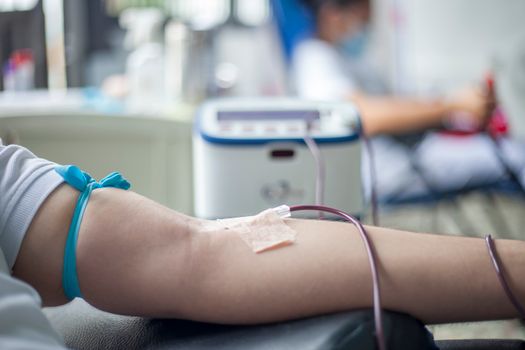
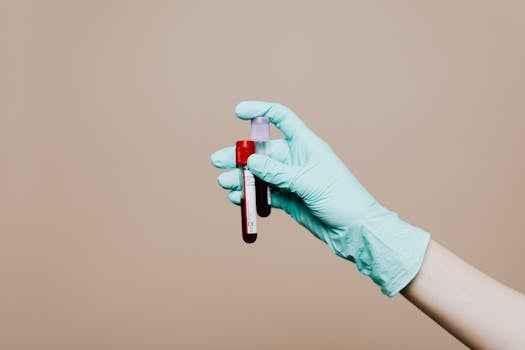
As a Blood Donor Technician, your main role is to facilitate the safe and successful collection of blood from volunteer donors across the UK. This is a crucial position within healthcare, directly contributing to saving lives by ensuring a steady supply of blood products for patients in need. Your day-to-day responsibilities will involve setting up equipment, preparing the donation area, and performing venepuncture – the process of drawing blood – using sterile techniques. You'll need to be highly skilled in phlebotomy, possess excellent attention to detail, and maintain strict adherence to health and safety protocols. Beyond the technical aspects, a significant part of the role involves interacting with donors. You'll be responsible for welcoming donors, explaining the donation process, monitoring their well-being throughout, and providing aftercare advice. This requires a compassionate and reassuring approach, as some donors may be anxious or feel faint. You'll also complete administrative tasks, maintain accurate records, and work as part of a dedicated team, often within mobile donation units that travel to various locations, requiring flexibility and good teamwork.

Blood Donor Technician

Flag Media

Please select a reason for flagging this content.

📊 Statistics

Average Starting Salary

Starting salaries for Blood Donor Technicians in the UK typically range from 22,000 to 25,000 GBP per year, often within NHS Band 3 or 4.

Experienced Salary Range

With experience, a Blood Donor Technician can expect to earn between 26,000 and 30,000 GBP annually, potentially rising with specialist skills or supervisory roles.

Number of Positions

The NHS Blood and Transplant service is the primary employer in the UK, with hundreds of technicians across its network of donation centres and mobile teams. Vacancies are regularly advertised due to ongoing demand for blood donation services.

🚀 Careers in this path

Flag Media

Please select a reason for flagging this content.

Phlebotomist

A Phlebotomist specialises in drawing blood from patients for various purposes, including diagnostic testing, transfusions, donations, or research. This role involves direct patient interaction and requires excellent venepuncture skills and a compassionate approach.

Flag Media

Please select a reason for flagging this content.

Healthcare Assistant in Haematology

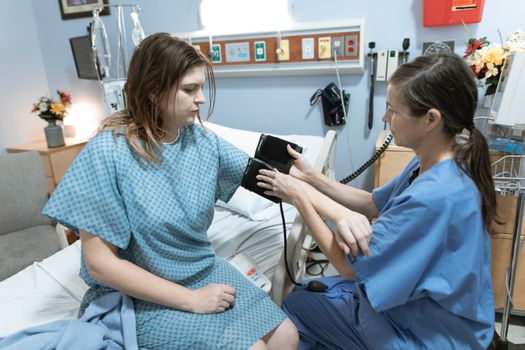
Working as a Healthcare Assistant (HCA) in a haematology department, you would support nurses and doctors in the care of patients with blood disorders. This could involve monitoring vital signs, assisting with patient mobility, and some basic clinical tasks, often within a blood-related medical context.

Flag Media

Please select a reason for flagging this content.

Laboratory Assistant (Blood Sciences)

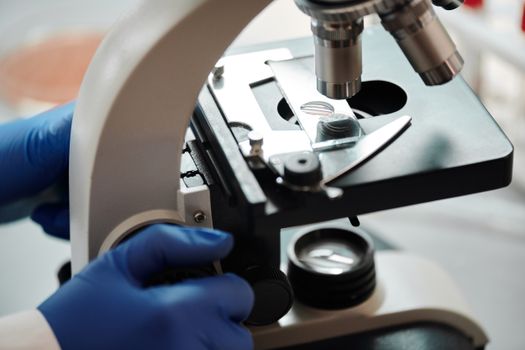
A Laboratory Assistant in a blood sciences department (haematology or transfusion labs) processes blood samples, prepares them for analysis, and assists scientists with various tests. This role involves meticulous attention to detail and adherence to strict laboratory protocols, focusing on the analytical side of blood work rather than direct donation.

Build a Strong Foundation

Complete your GCSEs/Nationals

Ensure you have a solid academic base, particularly in science subjects, which will be beneficial for further studies and understanding the principles of blood donation.

While specific entry requirements can vary, most employers will expect you to have GCSEs (or equivalent Nationals) at grades 9-4 (A*-C) in English, Maths, and Science. Biology or Human Biology GCSEs are particularly useful as they provide foundational knowledge relevant to the human body and blood systems. Focus on achieving good grades as this demonstrates your academic capability and attention to detail.

Consider a Relevant College Course

Enrolling in a college course in health and social care, applied science, or a related field can give you a significant advantage and provide practical skills.

Look for Level 2 or Level 3 courses such as a BTEC National Diploma in Applied Science (Medical Science pathway), Health and Social Care, or equivalent Access to Higher Education courses if you're returning to education. These courses often include modules on anatomy, physiology, health and safety, and patient care, which are directly applicable to the role of a Blood Donor Technician. They can also offer opportunities for work experience or placements, giving you a taste of the healthcare environment.

Gain First Aid Certification

Obtaining a recognised First Aid qualification is crucial, demonstrating your ability to respond to emergencies and ensuring donor safety.

A valid First Aid at Work certificate or an equivalent qualification is highly recommended, and often a requirement for roles involving direct patient contact. Providers like St John Ambulance or the British Red Cross offer comprehensive courses that cover essential skills such as CPR, managing fainting, shock, and allergic reactions – all scenarios you might encounter with blood donors. This certification not only boosts your CV but also instils confidence in your ability to handle unexpected situations.

Develop Essential Skills & Experience

Seek Customer Service or Healthcare Experience

Gaining experience in roles that involve interacting with the public or providing care will develop your communication and empathy skills.

Part-time jobs in retail, hospitality, or administrative roles can help you hone your customer service skills, which are vital for reassuring donors and managing their experience. Volunteering in a healthcare setting, such as a hospital, nursing home, or even a local charity offering support services, can provide invaluable exposure to patient interaction, confidentiality, and professional conduct. Even if it's not directly medical, any role demonstrating responsibility and interpersonal skills will be beneficial.

Focus on Communication and Empathy

These are core soft skills for a Blood Donor Technician, enabling you to put donors at ease and handle sensitive situations effectively.

Actively work on improving your active listening, clear verbal communication, and non-verbal cues. Practise explaining procedures simply and reassuringly. Empathy is crucial for understanding donor anxieties or discomfort and responding appropriately. Reflect on situations where you've successfully demonstrated these skills and be prepared to discuss them in interviews. Courses or workshops on communication skills can also be highly beneficial.

Undertake a Phlebotomy Course

A specialised phlebotomy course will provide you with the technical skills required for venepuncture, a primary duty of a Blood Donor Technician.

While some roles may offer on-the-job phlebotomy training, having a recognised phlebotomy qualification will significantly strengthen your application. Look for accredited courses (e.g., those certified by the Association of Phlebotomists) that offer practical, supervised training. These courses cover venepuncture techniques, infection control, sample handling, and health and safety guidelines, preparing you for the hands-on aspects of the role. It demonstrates proactive learning and a commitment to the profession.

Secure Your Role & Progress

Apply for Entry-Level Positions

Search for Blood Donor Technician vacancies with organisations like NHS Blood and Transplant (NHSBT) or private healthcare providers.

Regularly check job boards such as the NHS Jobs website, Indeed, LinkedIn, and specialist healthcare recruitment sites. Tailor your CV and cover letter to each application, highlighting your relevant qualifications, skills (especially phlebotomy, first aid, and customer service), and any experience. Emphasise your understanding of the importance of donor care, confidentiality, and adherence to strict protocols. Be prepared for competency-based interview questions.

Attend Interviews and Assessments

Prepare thoroughly for interviews, showcasing your technical knowledge, soft skills, and commitment to donor care and safety.

Interviews for these roles often involve a combination of questions about your experience, your understanding of the role, health and safety procedures, and how you would handle specific scenarios (e.g., a donor feeling faint). You might also undergo a practical assessment of your phlebotomy skills. Practise common interview questions, research the organisation thoroughly, and be ready to discuss your motivations for wanting to be a Blood Donor Technician.

Engage in Continuous Professional Development

Once in the role, commit to ongoing learning to keep your skills sharp and open up opportunities for advancement.

The healthcare field is constantly evolving, so continuous learning is essential. This could involve attending mandatory annual training sessions on infection control, safeguarding, and updated blood collection techniques. Look for opportunities to specialise, perhaps in apheresis or donor screening. Showing initiative in CPD can lead to senior technician roles, supervisory positions, or even pathways into nursing or other healthcare professions within the blood service. Stay updated with industry best practices and guidelines.

🎯 View Apprenticeships

Explore relevant apprenticeships that can help you kickstart your career in Blood Donor Technician. Apprenticeships offer hands-on experience and training while earning a wage.

Career Progressions

No career progressions found for Blood Donor Technician

Sample Qualifications

A Blood Donor Technician primarily performs duties within a laboratory or clinical setting, involving sample collection, processing, and adherence to health and safety protocols, which aligns closely with the responsibilities of a Laboratory Technician.

How to become

You can get into this job through:

  • a university course
  • a college course
  • an apprenticeship
  • applying directly

University

You can do a foundation degree, higher national diploma or degree in a scientific subject to work as a laboratory technician. 

Subjects include:

  • biomedical science
  • environmental science
  • forensic science
  • materials science
  • pharmacy
  • biology, chemistry or physics

Entry requirements

You'll usually need:

  • 5 GCSEs at grades 9 to 4 (A* to C), or equivalent, including English, maths and science
  • 3 A levels or equivalent

More Information

College

You could take a college course to help improve your chances of finding a trainee lab assistant position.

You could do a course such as:

  • applied science
  • environmental science
  • chemistry, physics or biology
  • T Level in Science

Entry requirements

Entry requirements for these courses vary.

  • 4 or 5 GCSEs at grades 9 to 4 (A* to C), or equivalent, including English and maths for a T Level

More Information

Apprenticeship

You could apply for a Laboratory Technician Level 3 Advanced Apprenticeship or a Technician Scientist Level 5 Higher Apprenticeship.

These apprenticeships can take between 2 and 3 years to complete.

Entry requirements

You'll usually need:

  • 5 GCSEs at grades 9 to 4 (A* to C), or equivalent, including English and maths, for an advanced apprenticeship
  • 4 or 5 GCSEs at grades 9 to 4 (A* to C) and A levels, or equivalent, for a higher or degree apprenticeship

More Information

Direct Application

You can apply for work as a lab technician if you have experience in a:

  • university research lab
  • clinical laboratory in a hospital
  • manufacturing or industrial research facility
  • school or college science department

More Information

Professional and industry bodies

You can register with a professional body linked to your area of work for career development and training opportunities.

Further information

You can find out more about becoming a laboratory technician from the Science Council and Health Careers.

Interested in More Career Paths?

Explore other careers or use our AI to discover personalised paths based on your interests.

Stay connected

Join our newsletter to stay up to date on features and releases

Address
Developing Experts Limited
Exchange Street Buildings
35-37 Exchange Street
Norwich
NR2 1DP
UK

Phone
01603 273515

Email
[email protected]

Copyright 2026 Developing Experts, All rights reserved.
