
Creating Career Path...

Finding Further Careers...

Blood Donor Technician

View this career for different education levels:

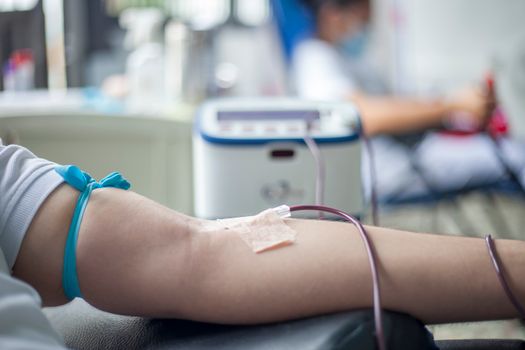
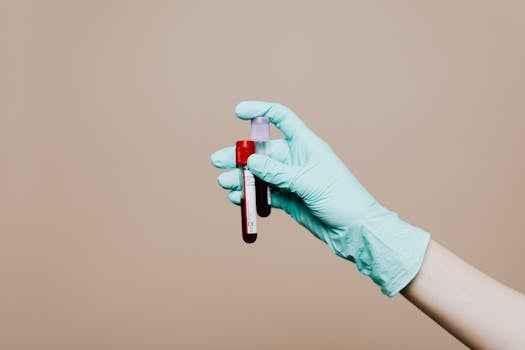
A Blood Donor Technician plays a really important role in healthcare by making sure that blood donations are collected safely and correctly. When people come to donate blood, the technician is the friendly face who greets them, checks their details, and makes sure they are suitable to donate. They explain the process and help the donor feel comfortable. Their main job involves taking the blood itself; this means being really skilled at finding a vein and inserting a needle gently. They also look after the donor during and after the donation, checking for any problems and offering refreshments. It is a job that requires a lot of care, attention to detail, and good communication skills. Beyond taking blood, Blood Donor Technicians are responsible for labelling the blood bags accurately and making sure they are stored correctly so that the blood can be used safely for patients who need it. They also set up and pack away the equipment, maintain a clean and sterile environment, and keep careful records of each donation. This role is crucial for ensuring a steady supply of blood for transfusions, operations, and other medical treatments across the country. It is a very rewarding job knowing you are helping to save lives every day.

Blood Donor Technician

Flag Media

Please select a reason for flagging this content.

📊 Statistics

Average Starting Salary (UK)

Entry-level Blood Donor Technicians in the UK can expect to earn around 22,000 to 25,000 pounds per year.

Experienced Salary (UK)

With more experience, a Blood Donor Technician's salary can go up to 28,000 to 32,000 pounds or more annually, especially for senior roles or those with specialised skills.

Work Environment

Blood Donor Technicians often work in NHS Blood and Transplant centres, hospitals, or mobile blood donation units across the UK.

🚀 Careers in this path

Flag Media

Please select a reason for flagging this content.

Phlebotomist Assistant

Helps a phlebotomist to collect blood samples, making sure everything is ready and comforting patients. They learn about different blood tests and how to keep things sterile.

Flag Media

Please select a reason for flagging this content.

Medical Laboratory Support Worker

Works in a hospital lab, helping with tasks like preparing samples, labelling tubes, and making sure equipment is clean. They get to see how blood is tested for different illnesses.

Flag Media

Please select a reason for flagging this content.

Clinical Support Worker

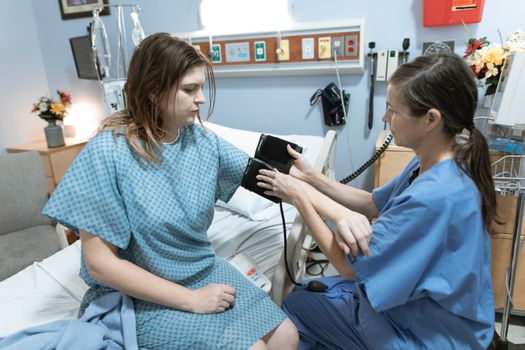
Assists nurses and doctors in hospitals or clinics, helping with patient care and simple medical procedures. They might learn how to take basic observations or help prepare patients for tests.

Build a Strong Foundation

Focus on Science at School

Learn as much as you can in your science lessons, especially biology. Understanding how the human body works, particularly blood, will be really helpful.

During your secondary school years, pay close attention in subjects like Biology, Chemistry, and Health & Social Care if your school offers them. These subjects will give you a good understanding of the human body, diseases, and how to care for people. Practical skills in science are also valuable, so participate in experiments and lab work to get comfortable with scientific procedures.

Get Good Grades in GCSEs

Work hard to achieve good passes in your GCSEs, especially in English, Maths, and Science subjects, as these are often needed for further training.

Most colleges and training programmes will require a certain number of GCSEs at grades 4-9 (formerly A*-C). Aim for at least five GCSEs, including English Language, Mathematics, and one or two science subjects. Good communication skills (English) and accurate measurements/calculations (Maths) are crucial for a Blood Donor Technician.

Research Healthcare Roles

Start looking into different jobs in healthcare to see where a Blood Donor Technician fits in and what other roles are available.

Visit career websites like NHS Careers, National Careers Service, and others to explore various healthcare support roles. Understand what a Blood Donor Technician does day-to-day, what skills are important, and how it contributes to patient care. This will help you decide if it's the right path for you and also show you other related jobs like Phlebotomist or Healthcare Assistant.

Gain Experience and Qualifications

Consider Further Education

After GCSEs, you might want to study relevant A-levels or a BTEC in Health and Social Care to boost your knowledge.

While not always strictly essential, studying A-levels in subjects like Biology or Health & Social Care, or completing a BTEC Level 3 National Diploma in Health and Social Care, can give you a strong advantage. These qualifications deepen your understanding of healthcare, patient interaction, and anatomy, making you a more attractive candidate for technician roles or further university study if you choose.

Look for Entry-Level Roles or Apprenticeships

Many Blood Donor Technician roles can be accessed through entry-level positions or apprenticeships that offer on-the-job training.

Keep an eye out for Healthcare Support Worker or Phlebotomist vacancies within the NHS or private healthcare providers. Some organisations offer apprenticeships specifically for healthcare support roles, which include practical training and studying for a qualification like a Level 2 or 3 Diploma in Clinical Healthcare Support. This hands-on experience is invaluable for developing the practical skills needed to collect blood safely.

Undertake Specialist Training

Once in a healthcare support role, you'll receive specific training for blood collection, often leading to a competency certificate.

When you secure a position that involves blood collection, such as a Phlebotomist or a Trainee Blood Donor Technician, your employer will provide specialised training. This will cover techniques for venepuncture (taking blood), infection control, patient care, health and safety regulations, and how to handle and store blood samples correctly. You'll work under supervision until you are deemed competent to perform these tasks independently, often receiving an internal certification.

Develop Professional Skills

Practice Empathy and Communication

Being kind, understanding, and able to talk clearly with people is super important, as some donors might be nervous.

As a Blood Donor Technician, you'll meet people from all walks of life, and some may be anxious about donating blood. Developing excellent communication skills means being able to explain the process clearly, answer questions patiently, and reassure donors. Empathy helps you understand their feelings and make their experience as comfortable as possible. These 'soft skills' are just as important as your technical abilities.

Maintain High Standards of Hygiene and Safety

Always follow rules about cleanliness and safety to protect both yourself and the donors from germs.

In a healthcare setting, strict adherence to infection control protocols is crucial. This includes proper hand hygiene, using sterile equipment, and safe disposal of needles and other medical waste. You'll be trained on these procedures, and it's vital to follow them meticulously every time to prevent the spread of infections and ensure a safe environment for everyone.

Consider Further Development

There are opportunities to learn more and take on extra responsibilities as you gain experience.

Once you've gained experience as a Blood Donor Technician, you might have opportunities to specialise further, become a trainer for new staff, or move into more senior support roles. Continuous professional development, through attending workshops or short courses, can help you keep your skills up-to-date and open doors to new career paths within the healthcare sector, such as working in a blood bank laboratory or as a Healthcare Assistant.

🎯 View Apprenticeships

Explore relevant apprenticeships that can help you kickstart your career in Blood Donor Technician. Apprenticeships offer hands-on experience and training while earning a wage.

Career Progressions

No career progressions found for Blood Donor Technician

Sample Qualifications

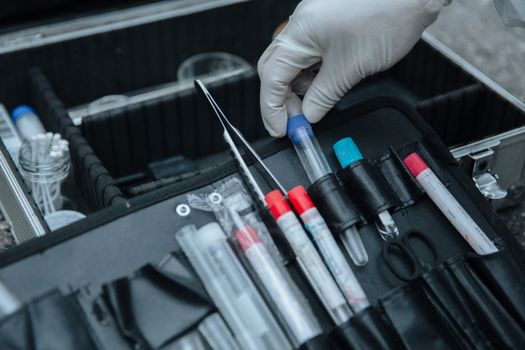
A Blood Donor Technician's role involves collecting, processing, and handling biological samples, which aligns closely with the duties and environment of a Laboratory Technician who performs tests, maintains equipment, and manages samples in a laboratory setting.

How to become

You can get into this job through:

  • a university course
  • a college course
  • an apprenticeship
  • applying directly

University

You can do a foundation degree, higher national diploma or degree in a scientific subject to work as a laboratory technician. 

Subjects include:

  • biomedical science
  • environmental science
  • forensic science
  • materials science
  • pharmacy
  • biology, chemistry or physics

Entry requirements

You'll usually need:

  • 5 GCSEs at grades 9 to 4 (A* to C), or equivalent, including English, maths and science
  • 3 A levels or equivalent

More Information

College

You could take a college course to help improve your chances of finding a trainee lab assistant position.

You could do a course such as:

  • applied science
  • environmental science
  • chemistry, physics or biology
  • T Level in Science

Entry requirements

Entry requirements for these courses vary.

  • 4 or 5 GCSEs at grades 9 to 4 (A* to C), or equivalent, including English and maths for a T Level

More Information

Apprenticeship

You could apply for a Laboratory Technician Level 3 Advanced Apprenticeship or a Technician Scientist Level 5 Higher Apprenticeship.

These apprenticeships can take between 2 and 3 years to complete.

Entry requirements

You'll usually need:

  • 5 GCSEs at grades 9 to 4 (A* to C), or equivalent, including English and maths, for an advanced apprenticeship
  • 4 or 5 GCSEs at grades 9 to 4 (A* to C) and A levels, or equivalent, for a higher or degree apprenticeship

More Information

Direct Application

You can apply for work as a lab technician if you have experience in a:

  • university research lab
  • clinical laboratory in a hospital
  • manufacturing or industrial research facility
  • school or college science department

More Information

Professional and industry bodies

You can register with a professional body linked to your area of work for career development and training opportunities.

Further information

You can find out more about becoming a laboratory technician from the Science Council and Health Careers.

Interested in More Career Paths?

Explore other careers or use our AI to discover personalised paths based on your interests.

Stay connected

Join our newsletter to stay up to date on features and releases

Address
Developing Experts Limited
Exchange Street Buildings
35-37 Exchange Street
Norwich
NR2 1DP
UK

Phone
01603 273515

Email
[email protected]

Copyright 2026 Developing Experts, All rights reserved.
