


Creating Career Path...

Finding Further Careers...

Royal Air Force

View this career for different education levels:

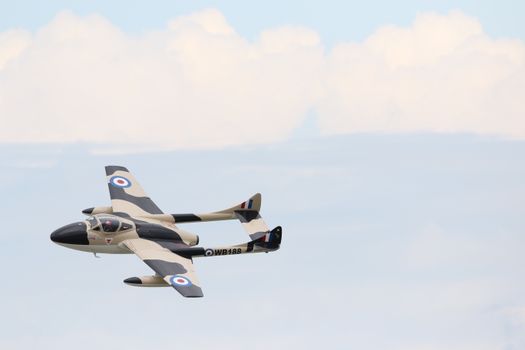
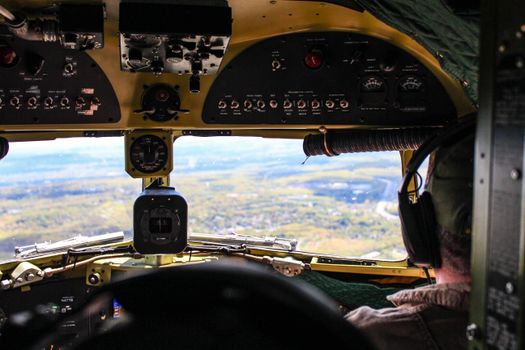
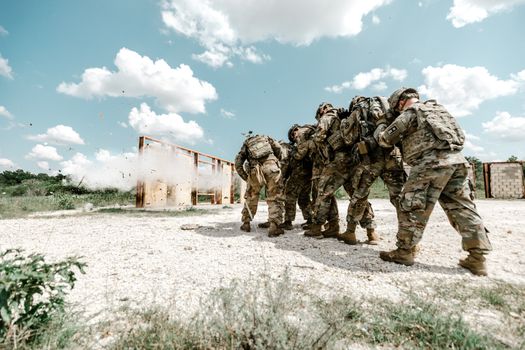
Being part of the Royal Air Force, or RAF, means joining a team that helps protect the UK and its allies from the air. It's not just about flying planes, although that's a very exciting part of it! The RAF needs lots of different people to make sure everything runs smoothly, from engineers who keep the aircraft working perfectly, to logistics specialists who make sure supplies get where they need to be, and even medics who look after everyone's health. You could be working with advanced technology, learning valuable skills, and travelling to different parts of the world. Joining the RAF means committing to a life of service, which can be very rewarding. You'll receive excellent training for your chosen role, which could be anything from a pilot, an air traffic controller, or a cyber specialist, to a chef or a police officer. It requires discipline, teamwork, and a willingness to learn and adapt. The RAF looks for people who are physically fit, have good problem-solving skills, and are ready for a challenge. It's a career where you can make a real difference, grow as a person, and be part of something bigger.

Royal Air Force

Flag Media

Please select a reason for flagging this content.

📊 Statistics

Starting Salary

As an Airman or Officer in the RAF, you will earn a salary while training. For example, a new Airman starts on around 18,600 pounds a year, rising to over 23,400 pounds once trained. Officer cadets start on about 28,800 pounds a year, increasing after training.

Number of Personnel

The Royal Air Force (RAF) has around 33,000 regular personnel and roughly 2,000 reserves, making it one of the UKs significant employers in defence.

Career Progression

Many roles within the RAF offer clear progression paths, with opportunities to gain advanced qualifications and climb through ranks, leading to higher salaries and more responsibility.

🚀 Careers in this path

Flag Media

Please select a reason for flagging this content.

RAF Pilot

Imagine flying incredible aircraft, from fast jets to huge transport planes. You could be protecting our skies, delivering aid, or helping with rescues. It takes lots of training and you need to be really good at concentrating!

Flag Media

Please select a reason for flagging this content.

RAF Aircraft Engineer

If you love to understand how things work and enjoy fixing things, this could be for you! You'd be responsible for making sure all the amazing RAF aircraft are safe and ready to fly, working on engines, electronics, and other parts.

Flag Media

Please select a reason for flagging this content.

RAF Air Traffic Controller

This job is super important! You'd be guiding aircraft safely on the ground and in the air, using radars and radios. It's like being the conductor of an orchestra, making sure every plane knows where to go and when.

Build a Strong Foundation

Focus on School Subjects

Getting good grades in school, especially in Maths and Science, is super important for an RAF Pilot. These subjects help you understand how planes fly.

To be eligible for officer entry into the RAF, you'll typically need to achieve a minimum of 5 GCSEs at grades 9-4 (A*-C in old grading), including English Language and Maths. For A-levels, while specific subjects aren't always mandatory, Maths, Physics, or other Science subjects are highly beneficial as they develop problem-solving and analytical skills crucial for flight training. Aim for at least two A-levels, with some roles requiring three.

Stay Fit and Healthy

Being an RAF Pilot means being physically fit. Start building good habits now by exercising regularly and eating healthily.

The RAF has strict medical and physical fitness requirements. Regular exercise like running, swimming, and team sports will help you develop stamina, strength, and coordination. Maintaining a healthy weight and eating a balanced diet are also key. Any pre-existing medical conditions will be thoroughly assessed, so it's good to ensure you have regular check-ups with your GP.

Join Youth Organisations

Organisations like the Air Cadets can teach you about flying, discipline, and teamwork, which are all vital for an RAF career.

The Air Training Corps (Air Cadets) is an excellent way to gain an insight into military aviation, learn about flying, participate in adventurous training, and develop leadership skills. Other organisations such as the Combined Cadet Force (CCF) also offer valuable experiences. These groups provide opportunities for personal development, build confidence, and demonstrate commitment and interest in the RAF.

Gain Experience and Apply

Consider Higher Education

While not always essential, going to university can give you a degree which is often helpful for officer roles, including pilots.

Many RAF Pilots have a university degree, often in a STEM (Science, Technology, Engineering, Maths) subject, which demonstrates academic capability and opens up more opportunities. Some roles may require a degree. However, you can also apply straight from school or college with A-levels. The RAF offers sponsorship schemes for university students, which can be a great way to secure your future career while studying.

Research and Attend Events

Learn all you can about the RAF Pilot role. Go to open days and talk to people who are already in the RAF.

Visit the RAF Recruitment website, attend virtual or in-person careers events, and speak to a local RAF recruiter. They can provide up-to-date information on entry requirements, the application process, and what life in the RAF is truly like. Understanding the different aircraft types and roles available (fast jet, multi-engine, rotary wing) will also help you make informed decisions.

Submit Your Application

Once you meet the entry requirements, it's time to formally apply online. This is the first step to joining the RAF.

The application process for an RAF Pilot is thorough. You'll complete an online application form, which will be followed by a series of aptitude tests, interviews, and a medical examination. The aptitude tests assess your cognitive abilities, spatial awareness, and hand-eye coordination – all crucial for flying. Be prepared for a challenging but rewarding selection process.

Training and Career Progression

Officer Training

If your application is successful, you'll start your journey with initial officer training, where you'll learn about leadership and military life.

All RAF officers, including pilots, complete Initial Officer Training (IOT) at RAF Cranwell. This intensive course teaches you about military leadership, discipline, fitness, and teamwork. It's designed to develop you into a confident and capable RAF officer, preparing you for the responsibilities of command and service life.

Specialised Flying Training

After officer training, you'll begin your actual flying lessons, learning how to pilot different types of aircraft.

Pilot training is multi-staged and incredibly challenging. It typically starts with elementary flying training on basic aircraft, followed by more advanced training on specific aircraft types (fast jet, multi-engine, or rotary wing) depending on your specialisation. This rigorous training takes several years and includes both ground-based theory and extensive flying hours, leading to your 'wings' qualification.

Operational Service

Once you've earned your wings, you'll join an operational squadron and start flying missions for the RAF.

As a qualified RAF Pilot, you'll be assigned to an operational squadron, where you'll continue to develop your skills and gain experience on frontline aircraft. Your duties could include air defence, reconnaissance, transportation, or humanitarian aid missions both in the UK and overseas. Continuous professional development and further specialist training will be a key part of your career.

🎬 Useful Videos

🎯 View Apprenticeships

Explore relevant apprenticeships that can help you kickstart your career in Royal Air Force. Apprenticeships offer hands-on experience and training while earning a wage.

Career Progressions

This page showcases various career options and the pathways to reach them. Each career listed here shares transferable skills and knowledge, making it easier for individuals to transition between them.

Your current career is highlighted to help you see how it fits into the broader landscape of potential career choices. By clicking on any career, you can learn more about it, including the training and education required to pursue it.

Remember, progressing in your career often involves further learning and training. This page provides insights into future career options as well as those that can lead up to your current one.

These career progression decisions are informed by comparing the skills and knowledge needed for different occupations, along with data on how people move between them. Explore the possibilities and discover the exciting journey ahead in your career!

Sample Qualifications

While 'Royal Air Force' is distinct from 'Royal Navy', both are branches of the UK Armed Forces and involve leadership roles in a military context. Given the available options, 'Royal Navy officer' is the closest match for a commissioned role within the British military structure, implying command and strategic responsibilities similar to an RAF officer.

How to become

You can get into this job through:

  • a university course
  • applying directly

University

If you have a degree, you can apply through the Direct Graduate Entry route.

For some officer roles you'll need specific qualifications and experience, for example:

  • a degree in science, technology, engineering or maths (STEM) to be an air engineering officer
  • an approved degree in medicine to join as a medical officer

You can start applying before you finish your studies, as the process can take up to 6 months. If you're accepted, you'll attend Britannia Royal Naval College in Dartmouth, Devon, to begin officer training.

Entry requirements

You'll usually need:

  • 2 to 3 A levels, or equivalent, for a degree

More Information

Volunteering

You can join the Royal Navy Reserve to get some experience of what life is like in the service, and to learn new skills at the same time.

You'll need to:

  • be between 18 and 42
  • commit to basic training which includes a 2-week course at Britannia Royal Naval College in Dartmouth

If you're between 12 and 18 years old, you can join the Sea Cadets.

Direct Application

You can apply directly for officer training.

You'll need a minimum of:

Age limits vary depending on which officer role you're interested in.

If your application is accepted, you'll be invited to talk to someone at your local armed forces careers office about what you want to do. You'll also have a medical and fitness check.

There will be further assessments and interviews to complete and if you're successful, you'll be offered a place on a full officer training programme.

More Information

Career tips

You will need to pass physical fitness assessments, including swimming, to be accepted into the Royal Navy. Get fit to Join has information on how to check your current fitness and how to improve to the level required.

Further information

You'll find more details about how to become an officer from Royal Navy Careers.

Interested in More Career Paths?

Explore other careers or use our AI to discover personalised paths based on your interests.

Stay connected

Join our newsletter to stay up to date on features and releases

Address
Developing Experts Limited
Exchange Street Buildings
35-37 Exchange Street
Norwich
NR2 1DP
UK

Phone
01603 273515

Email
[email protected]

Copyright 2026 Developing Experts, All rights reserved.
