

Creating Career Path...

Finding Further Careers...

Royal Air Force

View this career for different education levels:

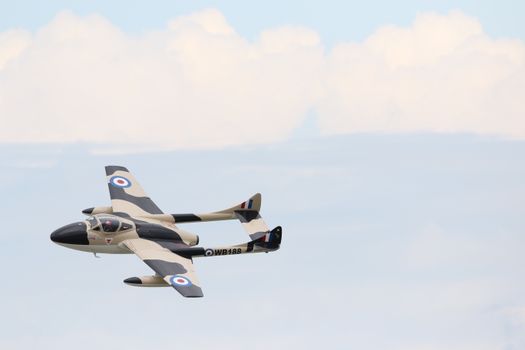
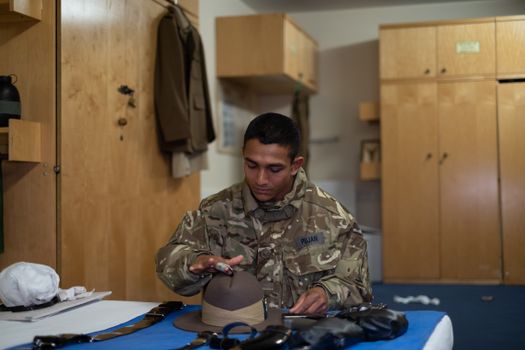
The Royal Air Force, or RAF for short, is like a super important team that looks after the skies of the United Kingdom and helps people all around the world. Imagine big, powerful aeroplanes flying high to keep everyone safe, carry important things, or even help out when there are problems like floods or storms. People in the RAF do all sorts of amazing jobs. Some fly the aeroplanes, like pilots who navigate the skies or operate special equipment. Others work on the ground to make sure the aeroplanes are in perfect condition, fixing engines, checking electronics, or loading fuel. Being in the RAF means you get to learn lots of new skills, work as part of a really close team, and travel to different places. It's a job where you might be helping out in a faraway country one day and training here in the UK the next. It is all about protecting the country and helping others, and it needs people who are brave, good at teamwork, and always ready to learn.

Royal Air Force

Flag Media

Please select a reason for flagging this content.

📊 Statistics

Starting Salary

When you first join the RAF as a new recruit, your salary can be around 18,600 pounds a year. As you train and learn more, this goes up quickly. For example, a qualified airman or airwoman can earn around 23,400 pounds a year.

Number of People

The Royal Air Force is a big team! There are about 33,000 full-time people working in the RAF in the UK. This number can change a little bit each year as new people join and others leave.

Types of Jobs

The RAF has over 50 different types of jobs you could do, not just flying planes! These include engineers, medics, chefs, musicians, and even dog handlers. So there are lots of different ways to be part of the team.

🚀 Careers in this path

Flag Media

Please select a reason for flagging this content.

RAF Pilot

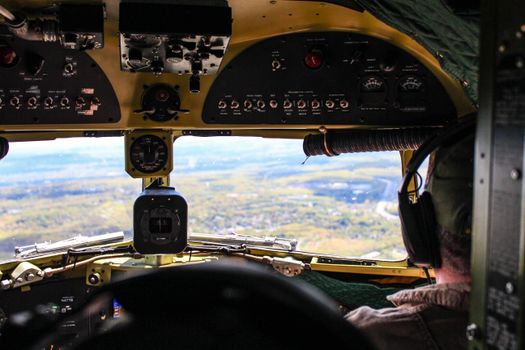
Imagine flying a really fast aeroplane high up in the sky, looking down at the world! RAF Pilots learn to fly different types of aeroplanes and helicopters for the Royal Air Force, doing exciting things like helping people or protecting our country. You'd need to be very clever and brave.

Flag Media

Please select a reason for flagging this content.

Aircraft Engineer

If you love to know how things work, an Aircraft Engineer might be perfect for you! They are super important people who make sure all the RAF aeroplanes and helicopters are fixed and ready to fly safely. They use lots of tools and their brains to solve tricky problems.

Flag Media

Please select a reason for flagging this content.

Air Traffic Controller

Have you ever seen aeroplanes taking off and landing at an airport? An Air Traffic Controller is like a super-smart guide for aeroplanes. They talk to the pilots and tell them exactly when and where to fly, making sure all the planes stay safe in the sky and on the ground at RAF bases.

Dream Big and Learn Loads

Be Good at School

Learning lots at school is super important for becoming an RAF Pilot. Paying attention in classes like Maths, Science, and English will help you understand how planes fly and how to communicate clearly.

To become an RAF Pilot, you'll need to work hard at school, especially in subjects like Mathematics, Physics, and English. These subjects will help you understand the complex principles of flight, navigation, and clear communication, which are all vital for a pilot. Try to get good grades to show you're a keen learner!

Stay Healthy and Strong

RAF Pilots need to be very fit and healthy. Eating good food, playing outside, and getting enough sleep will help you stay strong for all the flying adventures.

Maintaining a good level of physical fitness is crucial. This means participating in sports, running, swimming, and eating a balanced diet. Pilots need excellent eyesight, good hearing, and overall good health to handle the demands of flying. Regular exercise also helps with concentration and resilience.

Learn About Planes

Try to learn as much as you can about different types of planes and how they work. You could visit museums, read books, or watch documentaries about flying!

Get curious about aviation! Visit air shows, museums like the RAF Museum, or watch documentaries about aircraft and pilots. Understanding different types of aircraft, their functions, and the history of flight will show your passion and help you learn more about what pilots do every day.

Try Flying Fun Things

Join Air Cadets

The Air Cadets is a special group for young people where you can learn about flying, go on adventures, and even get to fly in a glider! It's great fun and helps you learn about the RAF.

The Air Training Corps (Air Cadets) is an excellent organisation for young people aged 12 to 20. You can learn about aviation, leadership, teamwork, and even get opportunities for flying and gliding. It's a fantastic way to experience the RAF lifestyle and meet people who love flying as much as you do.

Try Model Airplanes

Building and flying model airplanes is a super fun way to understand how planes move through the air. You can even fly remote control planes!

Engaging with model aircraft, whether building static models or flying remote-controlled planes, can teach you a lot about aerodynamics, control, and precision. It's a hands-on way to understand flight principles and develop a feel for handling an aircraft, albeit a small one!

Play Flight Simulator Games

There are special computer games called flight simulators where you can pretend to fly different planes. It's a safe way to practice and learn how controls work.

Flight simulator games can be a fun and educational way to familiarise yourself with cockpit controls, navigation, and the basic principles of flying. While not a substitute for real flight, they can help develop hand-eye coordination and provide an insight into the procedures pilots follow.

Get Ready to Apply

Finish Your Studies

When you're older, you'll need to have certain qualifications, like GCSEs and A-Levels, to apply to join the RAF. Keep working hard in school!

To be eligible for entry as an RAF Pilot, you typically need to achieve a minimum of 5 GCSEs at grades 9-4 (A*-C) including English Language, Mathematics, and at least two Science subjects (Physics is highly recommended). You will also need A-Levels; the specific requirements can vary, so it's important to check the latest entry standards on the RAF recruitment website. Strong academic performance demonstrates your ability to learn and apply complex information.

Keep Fit and Healthy

It's super important to keep fit as you grow up. Regular exercise and a healthy lifestyle will help you pass the tough fitness tests for the RAF.

Physical fitness is assessed during the application process. You'll need to pass a fitness test which typically includes press-ups, sit-ups, and a multi-stage shuttle run (bleep test). Maintaining a high level of fitness through regular exercise and a healthy diet is essential, along with ensuring you have no medical conditions that would prevent you from flying.

Learn About the RAF

Learn all about what the Royal Air Force does, what their values are, and what being a pilot really means. This will help you show them how much you want to join.

Research the Royal Air Force thoroughly. Understand their core values (Respect, Integrity, Service, Excellence), their different roles, and the daily life of an RAF Pilot. Knowing about the RAF's missions, aircraft, and commitments will help you during interviews and show your genuine interest and commitment to serving your country. Consider visiting an RAF careers office or attending an insight day.

🎬 Useful Videos

🎯 View Apprenticeships

Explore relevant apprenticeships that can help you kickstart your career in Royal Air Force. Apprenticeships offer hands-on experience and training while earning a wage.

Career Progressions

This page showcases various career options and the pathways to reach them. Each career listed here shares transferable skills and knowledge, making it easier for individuals to transition between them.

Your current career is highlighted to help you see how it fits into the broader landscape of potential career choices. By clicking on any career, you can learn more about it, including the training and education required to pursue it.

Remember, progressing in your career often involves further learning and training. This page provides insights into future career options as well as those that can lead up to your current one.

These career progression decisions are informed by comparing the skills and knowledge needed for different occupations, along with data on how people move between them. Explore the possibilities and discover the exciting journey ahead in your career!

Sample Qualifications

While 'Royal Air Force' indicates a different branch of the UK armed forces, none of the provided options specifically mention the RAF. Of the available uniformed service roles, 'Royal Navy officer' is the closest fit for a commissioned role within a branch of the UK military, encompassing leadership, discipline, and service which are analogous to an officer in the Royal Air Force, even though the specific service is different.

How to become

You can get into this job through:

  • a university course
  • applying directly

University

If you have a degree, you can apply through the Direct Graduate Entry route.

For some officer roles you'll need specific qualifications and experience, for example:

  • a degree in science, technology, engineering or maths (STEM) to be an air engineering officer
  • an approved degree in medicine to join as a medical officer

You can start applying before you finish your studies, as the process can take up to 6 months. If you're accepted, you'll attend Britannia Royal Naval College in Dartmouth, Devon, to begin officer training.

Entry requirements

You'll usually need:

  • 2 to 3 A levels, or equivalent, for a degree

More Information

Volunteering

You can join the Royal Navy Reserve to get some experience of what life is like in the service, and to learn new skills at the same time.

You'll need to:

  • be between 18 and 42
  • commit to basic training which includes a 2-week course at Britannia Royal Naval College in Dartmouth

If you're between 12 and 18 years old, you can join the Sea Cadets.

Direct Application

You can apply directly for officer training.

You'll need a minimum of:

Age limits vary depending on which officer role you're interested in.

If your application is accepted, you'll be invited to talk to someone at your local armed forces careers office about what you want to do. You'll also have a medical and fitness check.

There will be further assessments and interviews to complete and if you're successful, you'll be offered a place on a full officer training programme.

More Information

Career tips

You will need to pass physical fitness assessments, including swimming, to be accepted into the Royal Navy. Get fit to Join has information on how to check your current fitness and how to improve to the level required.

Further information

You'll find more details about how to become an officer from Royal Navy Careers.

Interested in More Career Paths?

Explore other careers or use our AI to discover personalised paths based on your interests.

Stay connected

Join our newsletter to stay up to date on features and releases

Address
Developing Experts Limited
Exchange Street Buildings
35-37 Exchange Street
Norwich
NR2 1DP
UK

Phone
01603 273515

Email
[email protected]

Copyright 2026 Developing Experts, All rights reserved.
