Creating Career Path...

Finding Further Careers...

Seismologist

View this career for different education levels:

Imagine the Earth is a giant, rumbling tummy! A Seismologist is like a special doctor for the Earth, but instead of listening with a stethoscope, they use clever machines called seismographs to listen to the Earths rumblings. They study earthquakes, which are when the ground shakes, and try to understand why they happen and where they might happen next. They also learn about what the inside of the Earth is made of by looking at how earthquake waves travel through it. It's a bit like solving a giant puzzle about our planet! Seismologists work with numbers, maps, and computers a lot. They might spend time in an office looking at data, or they might go out into the field to set up their listening machines in different places. Their work helps us understand our planet better and can even help us build safer buildings that can stand up to wobbly ground. They are super important for learning about natural events and helping keep people safe.

Seismologist

Flag Media

Please select a reason for flagging this content.

📊 Statistics

Starting Salary

A new Seismologist in the UK might start with a salary around 25,000 to 30,000 pounds per year.

Experienced Salary

With more experience, a Seismologist in the UK can earn between 35,000 and 60,000 pounds per year, and sometimes even more for very senior roles.

Job Openings

While not a huge number of jobs, there are usually some opportunities for Seismologists in the UK each year, especially with universities, research centres, and engineering companies. It's a specialist job.

🚀 Careers in this path

Flag Media

Please select a reason for flagging this content.

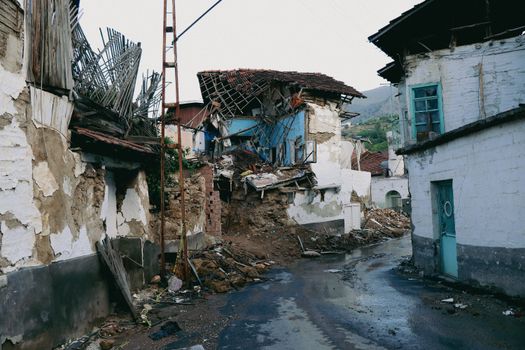
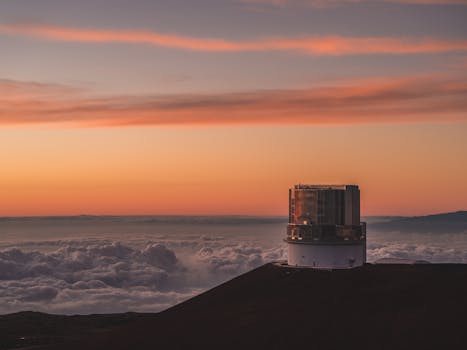
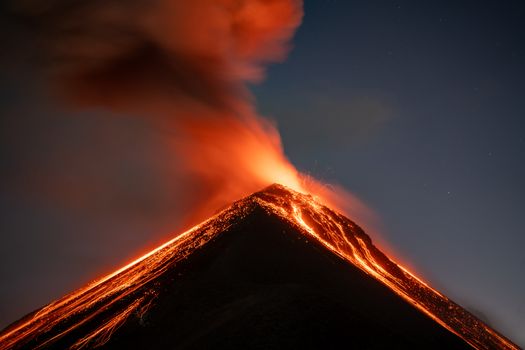
Volcano Explorer

Imagine you are a scientist who travels to volcanoes! You would watch how they rumble and what kind of rocks they spit out. You might even use special tools to listen to the ground and see if it's going to erupt, keeping everyone safe.

Flag Media

Please select a reason for flagging this content.

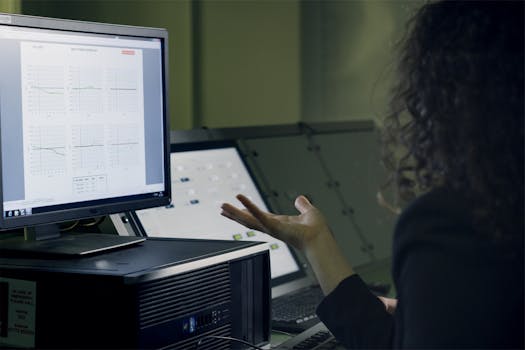
Earthquake Detector

This job is like being a detective for the Earth! You would use special listening machines called seismographs to feel the tiny shivers and big shakes of the Earth. You'd help us understand why earthquakes happen and how we can be ready for them.

Flag Media

Please select a reason for flagging this content.

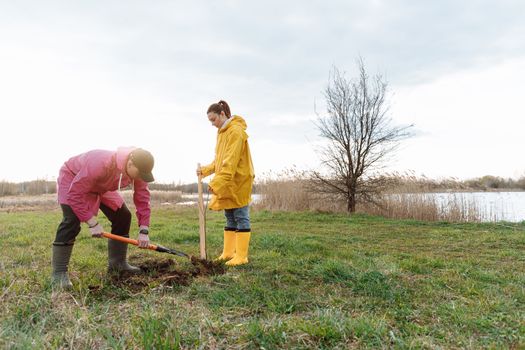
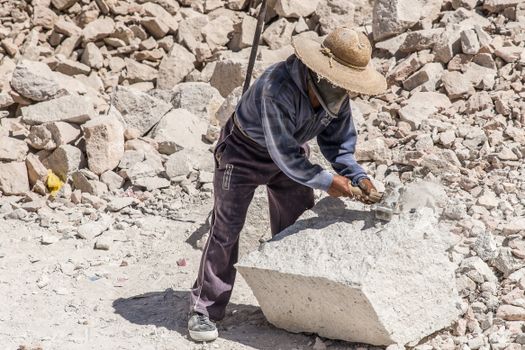
Rock and Fossil Finder

If you love digging in the dirt, this could be for you! You'd explore different places to find cool rocks, crystals, and even dinosaur bones. By studying these, you learn about what the Earth was like millions of years ago and how it's changed.

Learning About the Earth

Become a Young Explorer

Start by learning all about our amazing planet Earth. How does it work? What are rocks made of? Why do mountains exist?

You can find lots of cool books and websites about geology, volcanoes, and earthquakes. Look at pictures of different types of rocks and try to understand how they are formed. Ask your teachers questions about the Earth's layers and what happens deep underground. Watching documentaries about nature and the Earth can also be a fun way to learn more.

Become a Science Whizz

Pay special attention in your science lessons at school! Science helps us understand how the world works, which is super important for a Seismologist.

Focus on subjects like physics and geography, as these will give you a strong foundation. Learning about forces, energy, and different landforms will be really helpful. Participate in science fairs and experiments. The more you enjoy science now, the easier it will be to learn about earthquakes and volcanoes later.

Start a Rock Collection

Collecting different types of rocks and minerals can be a fun way to get to know the Earth's building blocks up close.

When you find a new rock, try to find out what kind it is and where it came from. Is it an igneous rock from a volcano, a sedimentary rock from old mud, or a metamorphic rock changed by heat and pressure? This hands-on activity helps you understand the Earth's materials and processes. You can even visit museums to see big rock and fossil collections!

Getting Ready for Big School

Choose Helpful Subjects

When you get to secondary school, pick subjects like Maths, Physics, and Geography. These are the superpowers you'll need!

Maths helps Seismologists understand data and measurements, Physics explains how waves travel through the Earth, and Geography teaches you about the Earth's surface and how it changes. Doing well in these subjects will prepare you for university where you can study seismology in more detail. Talk to your teachers and career advisors about the best subject choices.

Join Science Clubs

See if your school has a science club or a geology club. These are great places to do extra experiments and learn more fun stuff!

Science clubs often have exciting projects, guest speakers, or trips that can spark your interest even more. You might get to build models of volcanoes, learn about plate tectonics, or even try out some simple experiments related to Earth sciences. It's a fantastic way to meet other students who love science too.

Visit Science Centres

Ask your grown-ups to take you to a science museum or a geology exhibition. You can see real seismographs and learn how they work!

Many science centres have interactive exhibits that let you experience what an earthquake feels like or learn about how seismic waves are measured. Seeing these things in real life can make learning much more exciting and help you imagine what it's like to be a Seismologist. You might even find special workshops or events during school holidays.

Becoming a Seismologist

Go to University

After school, you'll go to university to study something called Geophysics or Earth Sciences. This is where you become a real expert!

At university, you will learn all about earthquakes, volcanoes, tsunamis, and how the Earth's plates move. You'll study advanced maths and physics and learn how to use special computer programs to analyse seismic data. Look for universities that have strong departments in Earth Sciences or Geophysics. You will typically need to complete a bachelor's degree, and sometimes a master's degree, to become a professional Seismologist.

Learn How to Use Special Tools

Seismologists use amazing tools like seismometers and computers to 'listen' to the Earth. You'll learn how to use them!

During your university studies and possibly an internship, you'll get hands-on experience with the equipment used to detect and record ground movements. This includes setting up seismometers, collecting data, and using computer software to interpret the information. Understanding how these tools work is key to locating earthquakes and studying the Earth's interior.

Help Keep People Safe

Once you're a Seismologist, you can work to understand earthquakes and help create plans to keep people safe!

As a Seismologist, you could work for government agencies, universities, or private companies. Your work might involve monitoring seismic activity, researching earthquake patterns, or helping to design safer buildings. You'll be using your knowledge to make a real difference, helping communities prepare for and respond to natural hazards like earthquakes and tsunamis. It's a very important job!

🎬 Useful Videos

🎯 View Apprenticeships

Explore relevant apprenticeships that can help you kickstart your career in Seismologist. Apprenticeships offer hands-on experience and training while earning a wage.

Career Progressions

No career progressions found for Seismologist

Sample Qualifications

How to become

You can get into this job through:

  • a university course
  • working towards this role

University

You can do a degree or postgraduate qualification in:

  • geology
  • geography
  • Earth science
  • geophysics
  • environmental science
  • computer science

Many employers will expect you to be working towards a PhD on a relevant research project.

Entry requirements

You'll usually need:

  • 5 GCSEs at grades 9 to 4 (A* to C), or equivalent, including English, maths and science
  • 2 or 3 A levels, or equivalent, including a science, for a degree
  • a degree in a relevant subject for postgraduate study

More Information

Work

You could start as a PhD research assistant, for example in a university Earth sciences or geophysics engineering department. With further training and experience you could become a seismologist.

More Information

Further information

You can discover more about working in seismology from The Geological Society and the British Geological Survey.

Interested in More Career Paths?

Explore other careers or use our AI to discover personalised paths based on your interests.

Stay connected

Join our newsletter to stay up to date on features and releases

Address
Developing Experts Limited
Exchange Street Buildings
35-37 Exchange Street
Norwich
NR2 1DP
UK

Phone
01603 273515

Email
[email protected]

Copyright 2026 Developing Experts, All rights reserved.
