


Creating Career Path...

Finding Further Careers...

Seismologist

View this career for different education levels:

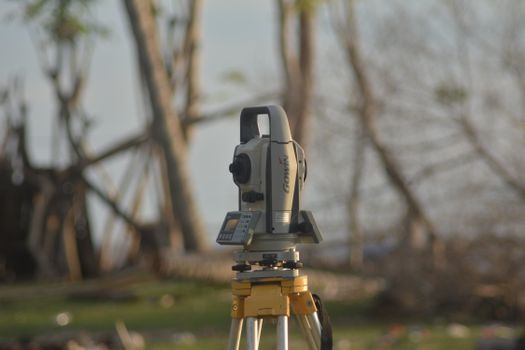
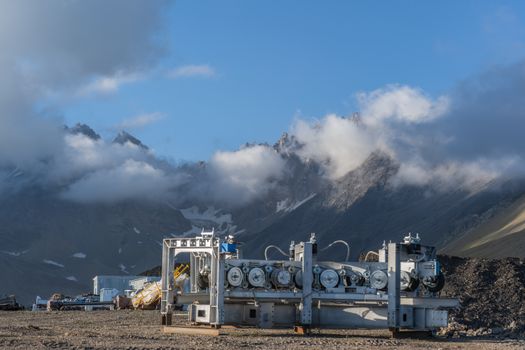
A Seismologist is a specialist who studies earthquakes and seismic waves, using this data to understand the Earth's interior structure, plate tectonics, and the risks associated with seismic activity. Their work involves deploying and maintaining seismic sensors (seismographs) to collect data, then analysing this information using complex mathematical models and computer software. This can include monitoring natural tremors, but also investigating man-made seismic events, such as those caused by hydraulic fracturing or mining. Beyond pure research into the Earth's dynamics, Seismologists also play a crucial role in hazard assessment, helping to predict and mitigate the impact of earthquakes on infrastructure and communities. They might work in academia, conducting fundamental research and teaching, or in industry, often for oil and gas exploration companies, engineering consultancies, or government agencies like the British Geological Survey, where they monitor seismic activity across the UK and globally. The day-to-day work can be quite varied, involving both fieldwork and intensive office-based analysis. Fieldwork might see you travelling to remote locations to install or service equipment, which can be physically demanding. In the office, you'd be spending considerable time working with large datasets, programming, and developing new analytical techniques. Strong analytical skills, a solid understanding of physics and mathematics, and proficiency in computing are paramount. Communication skills are also important, as Seismologists often need to present their findings to diverse audiences, from scientific peers to policy makers and the public.

Seismologist

Flag Media

Please select a reason for flagging this content.

📊 Statistics

Average Salary Range

Starting salaries for Seismologists in the UK typically range from 25,000 to 35,000 per year, rising to 40,000 to 60,000 with experience. Senior or principal roles, particularly in industry, can command 70,000 or more.

Number of Positions

The UK job market for Seismologists is relatively niche but stable. The British Geological Survey (BGS) is a significant employer, alongside universities and private sector companies in oil and gas, engineering consultancy, and environmental monitoring. While exact live numbers fluctuate, there are typically several dozen active opportunities across these sectors at any given time, including postgraduate research positions.

Required Education Level

A good first degree (2:1 or higher) in geophysics, geology, physics, mathematics, or a related Earth science is almost always essential. For most research or specialist roles, a Masters degree (MSc) or PhD is highly preferred, especially for those looking to advance into senior positions or academic research.

🚀 Careers in this path

Flag Media

Please select a reason for flagging this content.

Exploration Geophysicist

Focuses on locating natural resources like oil, gas, and minerals by interpreting seismic data and other geophysical measurements. This often involves fieldwork and advanced data analysis.

Flag Media

Please select a reason for flagging this content.

Engineering Seismologist

Specialises in assessing seismic hazards for infrastructure projects such as bridges, dams, and buildings. They use seismic data to advise on site suitability and design considerations to ensure structures can withstand potential earthquakes.

Flag Media

Please select a reason for flagging this content.

Seismic Data Analyst

Works with large datasets from seismic surveys, using computational tools and software to process, interpret, and visualise data. This role is crucial for understanding subsurface geology and can be applied in various fields from resource exploration to environmental monitoring.

Foundation and Education

A-Levels or Equivalent

Ensure you have a strong scientific foundation by excelling in relevant subjects at A-Level or equivalent qualifications.

For a career in Seismology, it's crucial to study subjects such as Mathematics, Physics, and ideally Geology or Geography at A-Level. These subjects provide the fundamental knowledge of physical principles, geological processes, and data analysis skills that are essential for a university degree in a related field. Aim for strong grades, as competitive university courses will often require high UCAS points.

Undergraduate Degree

Pursue a Bachelor's degree in a relevant scientific discipline that provides a solid understanding of Earth sciences.

A Bachelor of Science (BSc) in Geophysics, Geology, Earth Sciences, Physics, or Mathematics is typically the starting point. Look for programmes that offer modules in geophysics, structural geology, plate tectonics, and data analysis. Some universities offer dedicated Geophysics degrees which are highly suitable. Consider programmes with a strong practical component, including fieldwork opportunities, as this will give you valuable hands-on experience.

Gain Relevant Experience

Seek opportunities to gain practical experience, even while studying, to enhance your understanding and CV.

This could include internships with geological surveys, environmental consultancies, or energy companies (e.g., oil and gas exploration, geothermal energy). Look for university research projects, summer placements, or even volunteer roles that involve data collection, analysis, or geological mapping. Attending relevant workshops, seminars, and joining university geological societies can also provide valuable networking and learning opportunities.

Specialisation and Advanced Study

Postgraduate Degree (MSc/PhD)

Consider pursuing a Master's (MSc) or Doctoral (PhD) degree to specialise in Seismology or Geophysics.

Most professional seismology roles, especially in research or advanced industrial applications, require a postgraduate qualification. An MSc in Geophysics, Seismology, or a related Earth science will deepen your theoretical knowledge and practical skills. A PhD is essential for academic research positions and often highly valued in industry, allowing you to conduct original research in a specific area of seismology, such as earthquake prediction, seismic hazard assessment, or exploration seismology.

Develop Advanced Skills

Focus on developing strong computational, analytical, and field skills crucial for seismological work.

This includes proficiency in programming languages like Python or MATLAB for data processing and modelling, statistical analysis, and Geographic Information Systems (GIS). Experience with seismic processing software packages is highly beneficial. Fieldwork skills, such as deploying seismic sensors, collecting data, and geological mapping, are also invaluable. Continuously hone your problem-solving abilities and critical thinking.

Network and Present Research

Actively engage with the scientific community and present your research findings.

Attend and present your work at national and international conferences (e.g., European Geosciences Union - EGU, American Geophysical Union - AGU). Join professional organisations like The Geological Society of London or the Royal Astronomical Society (Geophysics Group). Networking with established seismologists and researchers can open doors to collaboration, job opportunities, and mentorship. Publishing your research in peer-reviewed journals is also a significant achievement and boosts your professional profile.

Career Entry and Progression

Apply for Entry-Level Roles

Seek out and apply for positions as a Junior Seismologist, Geophysicist, or Research Assistant.

Look for opportunities within geological surveys (e.g., British Geological Survey), universities and research institutes, environmental consultancies, oil and gas companies, mining companies, and engineering firms (for seismic hazard assessment). Entry-level roles often involve data acquisition, processing, interpretation, and assisting with research projects. Tailor your CV and cover letter to highlight your specific skills and experiences relevant to each job description.

Continuous Professional Development

Stay current with the latest advancements in seismology and continuously develop your expertise.

The field of seismology is constantly evolving with new technologies and research findings. Attend workshops, short courses, and webinars on new software, data analysis techniques, and emerging research areas. Read scientific journals and participate in professional discussions. Many employers support CPD, and it's vital for career progression and maintaining professional relevance. Consider pursuing chartered status (e.g., Chartered Geologist) through The Geological Society.

Specialise and Lead

As you gain experience, specialise in a particular area of seismology and aim for leadership roles.

With several years of experience, you can specialise in areas like earthquake seismology, exploration seismology, engineering seismology, or seismic hazard assessment. This could lead to roles such as Senior Seismologist, Project Manager, or Principal Investigator in research. Leadership roles involve managing teams, overseeing complex projects, mentoring junior staff, and contributing to strategic planning within your organisation. Opportunities for international work are also common in this global field.

🎯 View Apprenticeships

Explore relevant apprenticeships that can help you kickstart your career in Seismologist. Apprenticeships offer hands-on experience and training while earning a wage.

Career Progressions

No career progressions found for Seismologist

Sample Qualifications

How to become

You can get into this job through:

  • a university course
  • working towards this role

University

You can do a degree or postgraduate qualification in:

  • geology
  • geography
  • Earth science
  • geophysics
  • environmental science
  • computer science

Many employers will expect you to be working towards a PhD on a relevant research project.

Entry requirements

You'll usually need:

  • 5 GCSEs at grades 9 to 4 (A* to C), or equivalent, including English, maths and science
  • 2 or 3 A levels, or equivalent, including a science, for a degree
  • a degree in a relevant subject for postgraduate study

More Information

Work

You could start as a PhD research assistant, for example in a university Earth sciences or geophysics engineering department. With further training and experience you could become a seismologist.

More Information

Further information

You can discover more about working in seismology from The Geological Society and the British Geological Survey.

Interested in More Career Paths?

Explore other careers or use our AI to discover personalised paths based on your interests.

Stay connected

Join our newsletter to stay up to date on features and releases

Address
Developing Experts Limited
Exchange Street Buildings
35-37 Exchange Street
Norwich
NR2 1DP
UK

Phone
01603 273515

Email
[email protected]

Copyright 2026 Developing Experts, All rights reserved.
