




Creating Career Path...

Finding Further Careers...

Sustainability Consultant

View this career for different education levels:

Imagine you are a detective, but instead of solving mysteries about who stole the cookies, you solve mysteries about how to make things better for our planet! A Sustainability Consultant is like a super-smart helper who gives advice to businesses and governments. They help big companies understand how they can do their work without harming the Earth. They might look at how much energy a building uses, or if a factory is throwing away too much plastic, and then suggest clever ways to be more eco-friendly. They help people think about what they can do to make sure we have a healthy planet for a long, long time, by using less, recycling more, and choosing things that dont hurt nature. So, their job is all about making sure that businesses think about the environment in everything they do. This could mean helping a supermarket reduce its plastic packaging, or showing a building company how to build homes that use less electricity. They visit different places, talk to lots of people, and come up with smart plans to make things better for our world. They help make sure that when companies make things or do things, they are being kind to the Earth and thinking about the future.

Sustainability Consultant

Flag Media

Please select a reason for flagging this content.

📊 Statistics

Average Starting Salary

For someone just starting out as a Sustainability Consultant in the UK, they might expect to earn around 25,000 to 35,000 pounds a year.

Experienced Salary

With more experience, a Sustainability Consultant in the UK can earn much more, sometimes between 40,000 to 70,000 pounds a year, or even higher for very senior roles.

Job Growth

The number of jobs for people who help with sustainability is growing quickly in the UK, as more and more businesses want to be greener and protect our planet.

🚀 Careers in this path

Flag Media

Please select a reason for flagging this content.

Recycling Champion

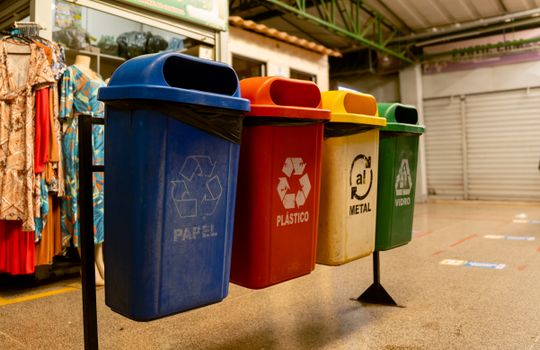
Imagine you work at a school or a shop. Your job is to help everyone understand why we need to recycle our rubbish, like paper and plastic bottles, instead of just throwing it away. You would show them which bins to use for different types of recycling and teach them fun facts about how recycling helps our planet.

Flag Media

Please select a reason for flagging this content.

Energy Saver Advisor

Think about how lights and computers use electricity. An Energy Saver Advisor helps people remember to turn off lights when they leave a room, or unplug chargers when they are not using them. You would help people understand why saving electricity is important and give them clever ideas to use less energy in their homes or at school.

Flag Media

Please select a reason for flagging this content.

Nature Protector

A Nature Protector looks after special places like parks, forests, or even their own garden. Their job is to make sure plants and animals have a safe and happy home. This could involve planting new trees, helping to keep rivers clean, or teaching others how to care for wildlife and enjoy nature without harming it.

Learning About Our Planet

Explore Nature

Spend time outside! Look at trees, flowers, and animals. See how everything works together. Notice how we use things like water and electricity at home.

Start by observing the natural world around you. Visit parks, go for walks in your local area, or even tend to a small plant. Think about where your food comes from, how your home is heated, and what happens to your rubbish. This helps you understand the environment and how humans interact with it, which is key for a Sustainability Consultant.

Read Green Books

Find books about animals, plants, recycling, and climate change. Learning lots of facts about our planet will make you super smart about sustainability.

Look for age-appropriate books that explain concepts like conservation, renewable energy, and reducing waste. Libraries often have great sections on environmental topics. Reading helps you build a strong foundation of knowledge about ecological systems and the challenges facing our planet, which you will use as a consultant.

Be a Home Eco-Hero

Help your family save energy by turning off lights, recycle all your plastics and paper, and try not to waste food. Every little bit helps!

Practise being environmentally friendly at home. This could involve reminding people to switch off lights when they leave a room, helping to sort recycling properly, or ensuring taps aren't left running. These actions show a practical understanding of sustainable living and the small changes that can make a big difference, which is what you'll advise others on.

Growing Your Green Brain

Choose Helpful Subjects

At school, pay special attention in science, maths, and geography. These subjects teach you how the world works and how to solve problems.

When you get older, subjects like science (especially biology and chemistry), maths (for understanding data), and geography (for understanding ecosystems and human impact) will be really important. These academic foundations help you develop critical thinking skills and the ability to analyse complex environmental issues, which are essential for a Sustainability Consultant.

Join an Eco-Club

If your school has an eco-club, join it! You can work with friends on projects like planting trees or starting a recycling programme. If not, maybe you could help start one!

Participating in an eco-club or similar group allows you to gain practical experience in environmental initiatives. You'll learn about teamwork, project management, and how to communicate ideas to others. This hands-on experience in promoting sustainability is invaluable for understanding the practicalities of the role.

Visit Green Places

Ask your grown-ups to take you to places like nature reserves, recycling centres, or even a farm that grows food sustainably. See how things are done in real life.

Visiting places that demonstrate sustainable practices, such as renewable energy sites, organic farms, or local recycling facilities, provides real-world context. Seeing these operations firsthand helps you understand the processes involved and the impact they have, which will be useful when advising clients as a consultant.

Becoming a Planet Protector

Study at University

When you're older, you'll go to university to study things like environmental science, geography, or sustainable development. This will teach you all the expert stuff.

To become a Sustainability Consultant, a university degree in a relevant field such as Environmental Science, Geography, Sustainable Development, or Engineering with an environmental focus is usually required. These courses provide the in-depth knowledge and analytical skills needed to assess environmental impacts and develop sustainable solutions for businesses.

Learn from the Pros

Look for chances to work with people who already help the planet. Maybe you can volunteer or do a short work experience placement to see what they do.

Gaining practical experience through internships, volunteering, or entry-level positions in environmental organisations or sustainability departments is crucial. This 'on-the-job' learning allows you to apply your academic knowledge, understand industry practices, and build a professional network, which can lead to your first consulting role.

Start Helping Businesses

After learning lots, you can start working with companies, showing them how to be kinder to the planet and helping them make smart, green choices.

Once you have the right education and some practical experience, you can begin your career as a Sustainability Consultant. You'll work with various organisations, from small businesses to large corporations, helping them to reduce their environmental footprint, improve efficiency, and develop sustainable strategies that benefit both their business and the planet.

🎬 Useful Videos

🎯 View Apprenticeships

Explore relevant apprenticeships that can help you kickstart your career in Sustainability Consultant. Apprenticeships offer hands-on experience and training while earning a wage.

Career Progressions

This page showcases various career options and the pathways to reach them. Each career listed here shares transferable skills and knowledge, making it easier for individuals to transition between them.

Your current career is highlighted to help you see how it fits into the broader landscape of potential career choices. By clicking on any career, you can learn more about it, including the training and education required to pursue it.

Remember, progressing in your career often involves further learning and training. This page provides insights into future career options as well as those that can lead up to your current one.

These career progression decisions are informed by comparing the skills and knowledge needed for different occupations, along with data on how people move between them. Explore the possibilities and discover the exciting journey ahead in your career!

Sample Qualifications

A Sustainability Consultant advises organisations on environmental, social, and governance (ESG) strategies, directly aligning with the role of a Corporate Responsibility and Sustainability Practitioner, who implements and manages these initiatives to improve a company's impact and performance.

How to become

You can get into this job through:

  • a university course
  • a college course
  • an apprenticeship

University

You could do a degree or postgraduate qualification that includes units on corporate responsibility and sustainability, for example:

  • environment and sustainability
  • energy and engineering
  • transport and logistics
  • economics
  • community development
  • business management

Entry requirements

You'll usually need:

  • 2 to 3 A levels, or equivalent, for a degree
  • a degree in any subject for a postgraduate course

More Information

College

You could take a course in environmental sustainability or business management.

This may help you get some of the knowledge and skills you need to apply for trainee or apprenticeship roles.

Entry requirements

Entry requirements for these courses vary.

More Information

Apprenticeship

You could begin by doing a:

  • Corporate Responsibility and Sustainability Practitioner Level 4 Higher Apprenticeship
  • Sustainability Business Specialist Level 7 Degree Apprenticeship

These apprenticeships can take between 2 and 3 years to complete.

Entry requirements

You'll usually need:

  • 4 or 5 GCSEs at grades 9 to 4 (A* to C) and A levels, or equivalent, for a higher or degree apprenticeship

More Information

Volunteering

An understanding of the role of sustainability is highly valued by employers and you may have an advantage if you have experience of fundraising, working with volunteers or volunteering yourself.

You can find opportunities through the National Council for Voluntary Organisations and Do IT.

More Information

Professional and industry bodies

You could join the Institute of Sustainability and Environmental Professionals (ISEP) or Institute of Corporate Responsibility and Sustainability (ICRS) to:

  • gain professional recognition
  • find training opportunities
  • make industry contacts

Further information

You can discover more about sustainability work and training through the Green Careers Hub.

Interested in More Career Paths?

Explore other careers or use our AI to discover personalised paths based on your interests.

Stay connected

Join our newsletter to stay up to date on features and releases

Address
Developing Experts Limited
Exchange Street Buildings
35-37 Exchange Street
Norwich
NR2 1DP
UK

Phone
01603 273515

Email
[email protected]

Copyright 2026 Developing Experts, All rights reserved.
