


Creating Career Path...

Finding Further Careers...

Sustainability Consultant

View this career for different education levels:

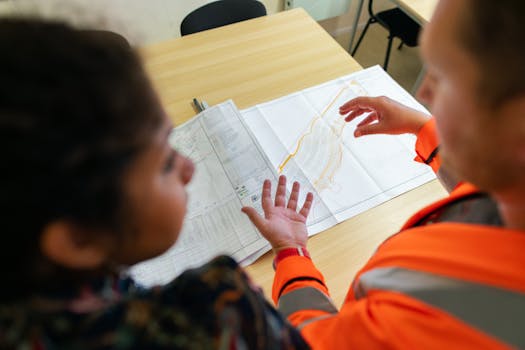
A Sustainability Consultant helps businesses and other organisations become more environmentally friendly and responsible. Imagine a company that makes clothes, or builds houses. A Sustainability Consultant would come in and look at how they do things. They might suggest ways to reduce waste, use less energy, or choose materials that are better for the planet. They help companies understand their 'environmental footprint' and then create plans to make it smaller. This job involves a lot of research, talking to different people, and problem-solving. You might spend time looking at data, writing reports, or giving presentations. The goal is always to find practical ways for organisations to operate without harming the environment, which also often helps them save money in the long run. It is a really important role as we all try to look after our planet better.

Sustainability Consultant

Flag Media

Please select a reason for flagging this content.

📊 Statistics

Average UK Salary

For an entry-level Sustainability Consultant in the UK, you might expect to earn around 25,000 to 30,000 pounds per year. As you get more experience, this could rise to 40,000 to 60,000 pounds, and very experienced consultants could earn 70,000 pounds or more.

Job Growth

The demand for Sustainability Consultants in the UK is growing quickly. Many businesses and organisations are trying to be more environmentally friendly, so there are more job opportunities opening up in this area all the time. It is a very future-proof career!

Number of Positions

While exact real-time figures are hard to pinpoint, job boards in the UK frequently list hundreds of open Sustainability Consultant roles. This shows there is a consistent and strong need for people with these skills across various industries, from construction to finance.

🚀 Careers in this path

Flag Media

Please select a reason for flagging this content.

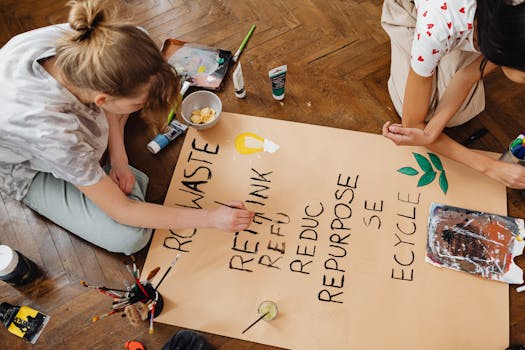
Eco Friendly Product Designer

Design everyday items like clothes, toys, or gadgets, making sure they are good for the planet by using recycled materials or materials that can easily break down.

Flag Media

Please select a reason for flagging this content.

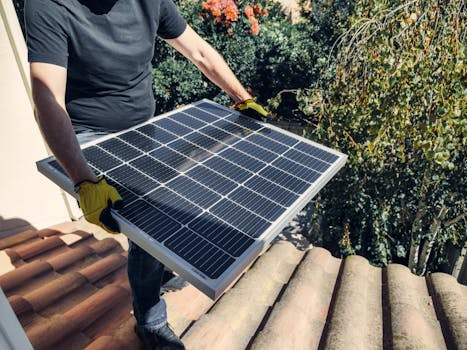
Green Building Advisor

Help architects and builders create homes, schools, and offices that use less energy and water, like suggesting solar panels or special insulation.

Flag Media

Please select a reason for flagging this content.

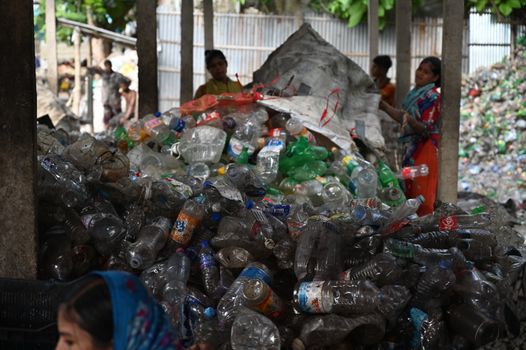
Recycling Programme Organiser

Come up with fun ways to help people and businesses recycle more, like setting up collection points or teaching others about what can and cannot be recycled.

Build Your Foundations

Excel in Science and Maths

Focus on subjects like Biology, Chemistry, Physics, and Maths at school. These subjects will give you a strong understanding of how the world works and how to solve problems.

Understanding scientific principles is key to grasping environmental challenges and solutions. Maths helps with data analysis and calculating environmental impacts. Aim for good grades in your GCSEs in these subjects, as they will be important for your A-level choices.

Get Involved in Green Activities

Join school eco-clubs, volunteer for local environmental groups, or start your own green project. This shows your passion for sustainability and gives you practical experience.

Participating in these activities will not only deepen your understanding of environmental issues but also help you develop teamwork, leadership, and project management skills. For example, you could help organise a recycling drive, plant trees, or research renewable energy solutions for your school.

Explore Environmental Issues

Read books, watch documentaries, and follow news about climate change, conservation, and sustainable living. The more you know, the better prepared you'll be.

Understanding current environmental challenges and the latest innovations in sustainability is crucial. Look into topics like renewable energy, circular economy, waste management, and biodiversity loss. This broad knowledge base will be incredibly valuable as you progress in your career.

Further Your Education

Choose Relevant A-Levels

Select A-level subjects that will prepare you for a university degree in an environmental field. Good choices often include Geography, Environmental Science, Biology, Chemistry, or Maths.

Most universities will require specific A-levels for environmental or sustainability-related degrees. Check university entry requirements early on for courses like Environmental Science, Sustainability, Geography, or Engineering with an environmental focus. These A-levels will provide the academic foundation needed for higher education.

Pursue a University Degree

Study for a degree in a related field such as Environmental Science, Sustainability, Geography, or Environmental Engineering. This will give you specialised knowledge.

A Bachelor's degree is typically the minimum requirement for a Sustainability Consultant role. Look for programmes that offer modules in environmental policy, sustainable business, climate change, energy management, and ecological impact assessment. Some universities offer specific 'Sustainability' degrees which are ideal.

Consider a Masters Degree

After your first degree, think about studying for a Master's degree in a specialised area of sustainability. This can give you an edge in the job market.

A Master's degree, such as an MSc in Environmental Management, Sustainable Development, or Corporate Social Responsibility, can significantly enhance your expertise and employability. It allows you to specialise in a particular aspect of sustainability, like renewable energy systems or sustainable supply chains, making you a more attractive candidate for specific consultancy roles.

Gain Experience and Specialise

Seek Internships and Work Experience

Apply for internships or work placements with environmental organisations, sustainability consultancies, or companies with strong sustainability departments. This is invaluable real-world experience.

Internships allow you to apply your academic knowledge in a practical setting and build a professional network. Look for opportunities during university holidays or as part of your degree. Even a few weeks of experience can make a big difference when applying for your first job. Websites like StudentJob, Bright Network, and graduate recruitment sites often list these.

Network with Professionals

Attend industry events, careers fairs, and online webinars related to sustainability. Meeting people already working in the field can open doors and provide advice.

Networking helps you learn about different career paths, gain insights into the industry, and potentially find mentors. Join professional bodies like IEMA (Institute of Environmental Management & Assessment) or the Society for the Environment, as they offer networking events and resources for students and young professionals.

Develop Key Skills

Hone skills like project management, data analysis, communication, and problem-solving. These are essential for a successful consultant.

Sustainability consultants need to be excellent communicators to explain complex environmental issues to clients, strong analysts to interpret data and create reports, and effective project managers to deliver solutions. Presentation skills and the ability to work in a team are also crucial for success in this field.

🎬 Useful Videos

🎯 View Apprenticeships

Explore relevant apprenticeships that can help you kickstart your career in Sustainability Consultant. Apprenticeships offer hands-on experience and training while earning a wage.

Career Progressions

This page showcases various career options and the pathways to reach them. Each career listed here shares transferable skills and knowledge, making it easier for individuals to transition between them.

Your current career is highlighted to help you see how it fits into the broader landscape of potential career choices. By clicking on any career, you can learn more about it, including the training and education required to pursue it.

Remember, progressing in your career often involves further learning and training. This page provides insights into future career options as well as those that can lead up to your current one.

These career progression decisions are informed by comparing the skills and knowledge needed for different occupations, along with data on how people move between them. Explore the possibilities and discover the exciting journey ahead in your career!

Sample Qualifications

A Sustainability Consultant advises businesses on environmental, social, and governance (ESG) strategies, directly aligning with the core duties of a Corporate Responsibility and Sustainability Practitioner who develops and implements such policies within an organisation.

How to become

You can get into this job through:

  • a university course
  • a college course
  • an apprenticeship

University

You could do a degree or postgraduate qualification that includes units on corporate responsibility and sustainability, for example:

  • environment and sustainability
  • energy and engineering
  • transport and logistics
  • economics
  • community development
  • business management

Entry requirements

You'll usually need:

  • 2 to 3 A levels, or equivalent, for a degree
  • a degree in any subject for a postgraduate course

More Information

College

You could take a course in environmental sustainability or business management.

This may help you get some of the knowledge and skills you need to apply for trainee or apprenticeship roles.

Entry requirements

Entry requirements for these courses vary.

More Information

Apprenticeship

You could begin by doing a:

  • Corporate Responsibility and Sustainability Practitioner Level 4 Higher Apprenticeship
  • Sustainability Business Specialist Level 7 Degree Apprenticeship

These apprenticeships can take between 2 and 3 years to complete.

Entry requirements

You'll usually need:

  • 4 or 5 GCSEs at grades 9 to 4 (A* to C) and A levels, or equivalent, for a higher or degree apprenticeship

More Information

Volunteering

An understanding of the role of sustainability is highly valued by employers and you may have an advantage if you have experience of fundraising, working with volunteers or volunteering yourself.

You can find opportunities through the National Council for Voluntary Organisations and Do IT.

More Information

Professional and industry bodies

You could join the Institute of Sustainability and Environmental Professionals (ISEP) or Institute of Corporate Responsibility and Sustainability (ICRS) to:

  • gain professional recognition
  • find training opportunities
  • make industry contacts

Further information

You can discover more about sustainability work and training through the Green Careers Hub.

Interested in More Career Paths?

Explore other careers or use our AI to discover personalised paths based on your interests.

Stay connected

Join our newsletter to stay up to date on features and releases

Address
Developing Experts Limited
Exchange Street Buildings
35-37 Exchange Street
Norwich
NR2 1DP
UK

Phone
01603 273515

Email
[email protected]

Copyright 2026 Developing Experts, All rights reserved.
