


Creating Career Path...

Finding Further Careers...

Food Supply Chain Manager

View this career for different education levels:

Secondary Post-16

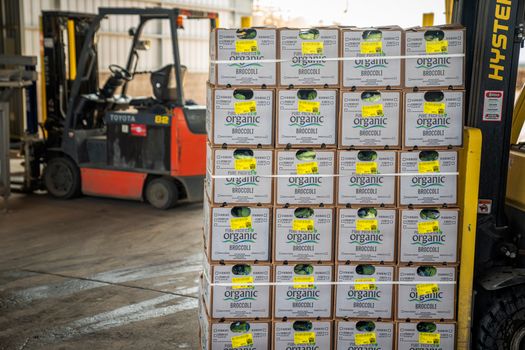
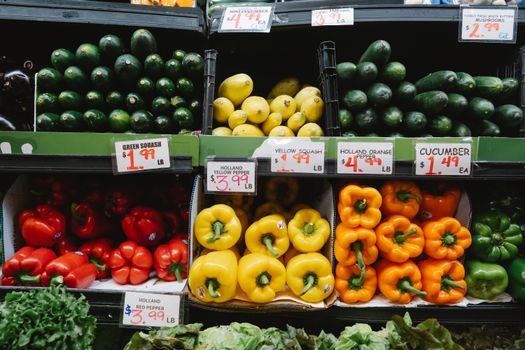
Imagine all the food you eat, from your breakfast cereal to your dinner. How does it get from the farm or factory to your plate? That's where a Food Supply Chain Manager comes in! They are like the conductors of a huge orchestra, making sure every part of the journey works smoothly. They are responsible for making sure food is grown, processed, packaged, stored, and delivered to shops or restaurants in the UK, all while being safe, fresh, and on time. This involves working with farmers, manufacturers, transport companies, and supermarkets. A Food Supply Chain Manager needs to be really organised and good at solving problems. They have to think about things like how to stop food from spoiling, how to get it from one place to another quickly and cheaply, and how to deal with unexpected issues like bad weather or transport delays. They also make sure that the food meets all the important UK safety rules and that there's enough food to meet customer demand without wasting too much. It's a vital role that helps keep our supermarket shelves stocked and our tummies full!

Food Supply Chain Manager

Flag Media

Please select a reason for flagging this content.

📊 Statistics

Average UK Salary

For an experienced Food Supply Chain Manager in the UK, the average salary typically ranges from 40,000 to 65,000 pounds per year, though this can vary with location and company size.

Entry Level Salary

For those just starting out in a junior supply chain role in the food sector, you might expect to earn between 25,000 and 35,000 pounds a year.

Job Growth

The demand for skilled supply chain professionals in the UK food industry is steady, with many companies continually looking for people to help manage their food delivery and production networks efficiently.

🚀 Careers in this path

Flag Media

Please select a reason for flagging this content.

Supermarket Fresh Food Buyer

Imagine being the person who chooses all the yummy fruits, vegetables, and other fresh foods for a big supermarket! You'd visit farms and suppliers, decide what to buy, and make sure it gets to the shops for people to enjoy. It's about knowing what's popular and making sure there's always enough.

Flag Media

Please select a reason for flagging this content.

Food Factory Quality Controller

This job is like being a food detective! You'd work in a factory where food is made, checking everything to make sure it's perfect, safe, and tastes great. You'd make sure the ingredients are right and the food is packaged properly before it goes to the shops.

Flag Media

Please select a reason for flagging this content.

Logistics Planner for Food Delivery

If you like solving puzzles, this could be for you! You'd plan the quickest and best ways for food to travel from farms and factories to supermarkets and restaurants. You'd use maps and computers to figure out routes for lorries and make sure food arrives on time and still fresh.

Build Your Foundations

Focus on Key School Subjects

Start by doing well in subjects that help you understand how businesses work and how things are organised.

Maths is really important for working with numbers, budgets, and planning. English helps you communicate clearly, which you'll do a lot of in this job. Geography can help you understand global supply routes, and Business Studies (if your school offers it) is perfect for learning about companies and their operations.

Explore Food and Logistics

Learn more about where your food comes from and how it travels.

Visit local farms or food factories if possible (perhaps with a school trip or family). Watch documentaries about food production, farming, or how big supermarkets get their products. Pay attention to how different parts of the food industry work together.

Develop Organisational Skills

Practice being organised and planning things effectively.

Help out with organising family events, school projects, or even just keeping your own room tidy. Think about how you plan your homework or prepare for a sports day. These everyday skills in planning and problem-solving are exactly what a Food Supply Chain Manager uses.

Further Your Education

Choose A-Levels or College Courses

Select subjects that will prepare you for university or higher apprenticeships in this field.

Good choices include Maths, Business Studies, Economics, Geography, or a science subject like Biology (especially if you're interested in food science aspects). Look into BTECs or National Diplomas in Business, Logistics, or Food Technology if you prefer a more vocational path.

Consider University Degrees

Many people in this role have a degree related to logistics or business.

Look for degrees like 'Supply Chain Management', 'Logistics and Operations Management', 'Business Management', 'Food Science and Technology', or 'Agricultural Business'. These courses will teach you the specific knowledge and skills needed for the job.

Explore Apprenticeships

An apprenticeship lets you learn on the job and get a qualification at the same time.

Look for higher or degree apprenticeships in 'Supply Chain Management', 'Logistics Operations', or 'Business Administration' with companies that work with food. You'll gain practical experience, earn a salary, and often get your qualification paid for.

Gain Experience & Grow

Get Entry-Level Experience

Start in a role that helps you understand how a supply chain works from the ground up.

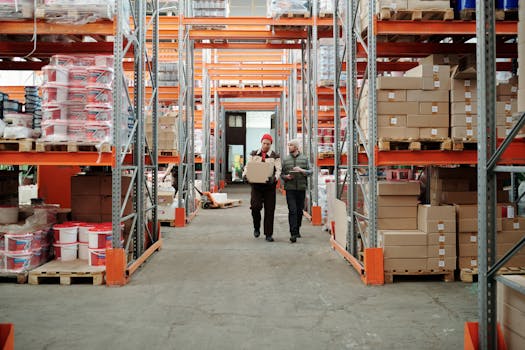
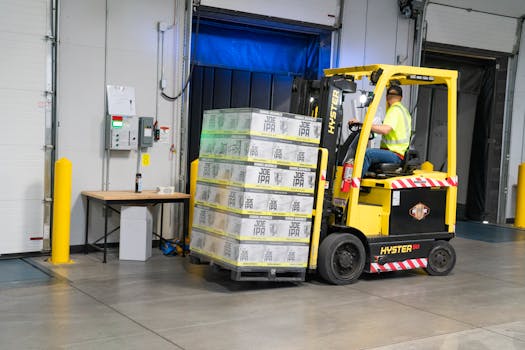
Look for jobs in warehouses, distribution centres, or production planning departments. You could start as a 'Warehouse Operative', 'Logistics Assistant', or 'Production Planner'. This hands-on experience is invaluable for understanding the daily challenges and processes.

Seek Out Specialised Roles

As you gain experience, look for roles that focus more specifically on different parts of the food supply chain.

You might move into roles like 'Inventory Planner', 'Logistics Coordinator', 'Procurement Assistant', or 'Quality Control Supervisor' within a food company. This allows you to specialise and understand the intricacies of food safety, freshness, and specific regulations.

Pursue Professional Development

Keep learning and improving your skills throughout your career.

Consider certifications from professional bodies like the Chartered Institute of Logistics and Transport (CILT). Attend industry seminars and workshops to stay updated on new technologies and best practices in food logistics, sustainability, and global trade. Networking with other professionals can also open new opportunities.

🎬 Useful Videos

🎯 View Apprenticeships

Explore relevant apprenticeships that can help you kickstart your career in Food Supply Chain Manager. Apprenticeships offer hands-on experience and training while earning a wage.

Career Progressions

This page showcases various career options and the pathways to reach them. Each career listed here shares transferable skills and knowledge, making it easier for individuals to transition between them.

Your current career is highlighted to help you see how it fits into the broader landscape of potential career choices. By clicking on any career, you can learn more about it, including the training and education required to pursue it.

Remember, progressing in your career often involves further learning and training. This page provides insights into future career options as well as those that can lead up to your current one.

These career progression decisions are informed by comparing the skills and knowledge needed for different occupations, along with data on how people move between them. Explore the possibilities and discover the exciting journey ahead in your career!

Sample Qualifications

A Food Supply Chain Manager primarily focuses on the logistics, distribution, and overall management of the supply chain specifically within the food industry. 'Supply chain manager' is the broader, official title that encompasses these core responsibilities, regardless of the specific industry.

How to become

You can get into this job through:

  • a university course
  • an apprenticeship
  • working towards this role

University

Positions for trainee managers are open to graduates of most subjects though you may find it useful to do a foundation degree, higher national diploma or degree in a subject like:

  • logistics
  • supply chain management
  • transport management
  • business management

You can find out about industry sponsored degree courses in supply chain management from NOVUS.

Entry requirements

You'll usually need:

  • 1 or 2 A levels, or equivalent, for a foundation degree or higher national diploma
  • 2 to 3 A levels, or equivalent, for a degree

More Information

Apprenticeship

You may be able to apply for a Supply Chain Practitioner Level 3 Advanced Apprenticeship, which could lead to an assistant manager position.

You might also be able to do a Level 6 Degree Apprenticeship, such as:

  • Supply Chain Leadership Professional
  • Express Delivery Manager
  • Senior Procurement and Supply Chain Professional

Entry requirements

You'll usually need:

  • 5 GCSEs at grades 9 to 4 (A* to C), or equivalent, including English and maths, for an advanced apprenticeship
  • 4 or 5 GCSEs at grades 9 to 4 (A* to C) and A levels, or equivalent, for a degree apprenticeship

More Information

Work

You could start in a junior role, like transport clerk, and work your way up through training and promotion.

You might study for work-based qualifications through The Chartered Institute of Logistics and Transport or the Institute of Supply Chain Management.

Further information

You can find more details about careers and training in the supply chain industry from The Chartered Institute of Logistics and Transport.

Interested in More Career Paths?

Explore other careers or use our AI to discover personalised paths based on your interests.

Stay connected

Join our newsletter to stay up to date on features and releases

Address
Developing Experts Limited
Exchange Street Buildings
35-37 Exchange Street
Norwich
NR2 1DP
UK

Phone
01603 273515

Email
[email protected]

Copyright 2026 Developing Experts, All rights reserved.