

Creating Career Path...

Finding Further Careers...

Food Supply Chain Manager

View this career for different education levels:

Secondary Post-16

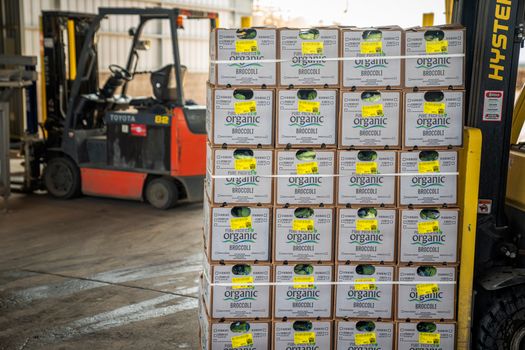
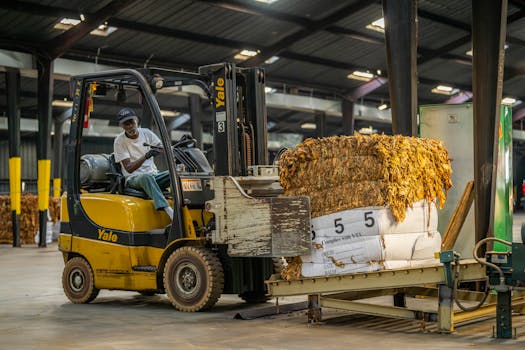
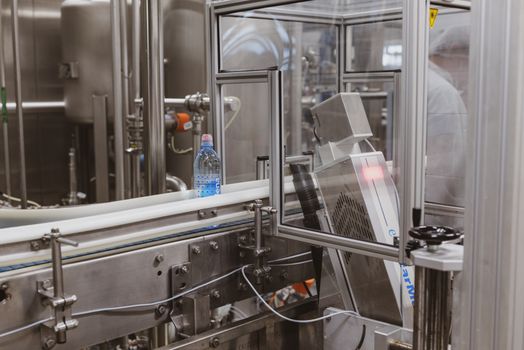
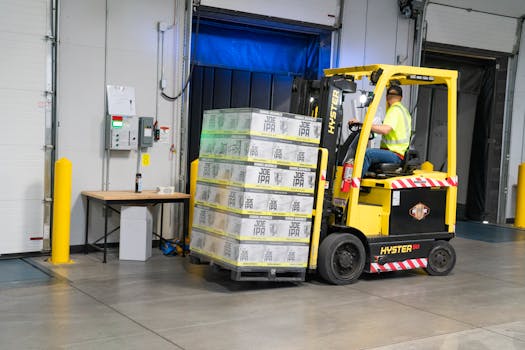
A Food Supply Chain Manager in the UK is responsible for overseeing the entire journey of food products, from farm to fork. This pivotal role involves coordinating and optimising every stage, including sourcing raw materials, production, storage, logistics, and distribution. Your daily tasks could involve negotiating with suppliers, managing inventory levels to prevent waste and ensure freshness, optimising transport routes for efficiency and cost-effectiveness, and ensuring strict adherence to food safety regulations and quality standards. It's a role that demands excellent organisational skills, strategic thinking, and a keen eye for detail, as you'll be constantly balancing cost efficiency with product quality and timely delivery. You'll also be heavily involved in risk management, such as anticipating and mitigating disruptions like weather events or transport issues. The career path often begins with roles in logistics, procurement, or operations, gradually moving into management positions. Many professionals in this field hold degrees in supply chain management, logistics, business administration, or food science. Given the dynamic nature of the food industry, with its focus on sustainability and consumer trends, a Food Supply Chain Manager must be adaptable and forward-thinking, always looking for ways to innovate and improve processes. It's a high-impact role that directly contributes to ensuring that quality food products reach consumers across the UK efficiently and safely.

Food Supply Chain Manager

Flag Media

Please select a reason for flagging this content.

📊 Statistics

Average Salary Range

For an experienced Food Supply Chain Manager in the UK, salaries typically range from 40,000 to 65,000 per year, though senior roles in larger corporations can exceed 80,000.

Job Market Outlook

The UK food and drink sector is robust, supporting a continuous demand for skilled supply chain professionals. While precise figures vary, there are hundreds of job openings for supply chain roles, including management positions, at any given time across various platforms.

Industry Contribution

The food and drink industry is the UKs largest manufacturing sector, contributing around 30 billion to the economy annually. This significant contribution underscores the vital role of efficient supply chain management.

🚀 Careers in this path

Flag Media

Please select a reason for flagging this content.

Procurement Manager Food and Drink

Responsible for sourcing ingredients and finished products for a food and drink business. This involves negotiating with suppliers, managing contracts, and ensuring the quality and timely delivery of goods. It often focuses on cost-effectiveness and supplier relationships within the food sector.

Flag Media

Please select a reason for flagging this content.

Food Logistics and Distribution Manager

Oversees the movement, storage, and distribution of food products from manufacturer to consumer. This role involves optimising transport routes, managing warehouse operations, and ensuring compliance with food safety and temperature control regulations throughout the supply chain.

Flag Media

Please select a reason for flagging this content.

Quality Assurance Manager Food Production

Ensures that all food products meet quality and safety standards throughout the production process and supply chain. This involves developing and implementing quality control procedures, conducting audits, and ensuring compliance with food legislation and industry standards. It's crucial for maintaining product integrity.

Build Your Foundational Knowledge

Complete Relevant Undergraduate Degree

Obtain a Bachelor's degree in a field such as Supply Chain Management, Logistics, Business Management, or Food Science. This provides the essential theoretical framework.

Many universities across the UK offer specialised degrees that will equip you with a strong understanding of supply chain principles, operations management, and business analytics. Look for programmes that include modules on food safety, sustainability, and international logistics, as these are highly relevant to the food sector. Practical experience through a sandwich year or internships embedded in the degree can be incredibly beneficial.

Gain Industry-Specific Certifications

Consider certifications in areas like food safety, quality management, or specific supply chain methodologies to enhance your resume and practical skills.

Certifications such as HACCP (Hazard Analysis and Critical Control Points) are crucial for anyone working with food products, demonstrating your understanding of food safety regulations. Other valuable certifications could include PRINCE2 for project management, or CIPS (Chartered Institute of Procurement & Supply) qualifications for procurement aspects of the supply chain. These show a commitment to professional development and a deeper understanding of industry best practices.

Develop Key Transferable Skills

Focus on honing skills vital for supply chain roles, including analytical thinking, problem-solving, communication, and negotiation.

Supply chain management is highly dynamic, requiring strong analytical skills to interpret data, identify trends, and make informed decisions. Excellent communication is essential for collaborating with diverse stakeholders, from suppliers to truck drivers to retailers. You'll also need strong negotiation skills to secure favourable terms with suppliers and manage relationships effectively. Look for opportunities in group projects, volunteering, or part-time jobs to practice and demonstrate these skills.

Gain Practical Experience

Secure Internships or Entry-Level Roles

Apply for internships or graduate schemes within food manufacturing, retail logistics, or third-party logistics (3PL) providers to get hands-on experience.

Entry-level positions such as Supply Chain Analyst, Logistics Coordinator, or Junior Buyer can provide invaluable exposure to the day-to-day operations of a food supply chain. These roles often involve data analysis, inventory management, order processing, and supplier communication, giving you a comprehensive understanding of the different moving parts. Actively seek out companies known for their strong supply chain operations or graduate development programmes.

Network Within the Food Industry

Attend industry events, conferences, and utilise platforms like LinkedIn to connect with professionals in food supply chain management.

Networking is crucial for career progression. Joining professional bodies like the CILT (Chartered Institute of Logistics and Transport) or attending food industry trade shows can open doors to mentorship opportunities, job leads, and insights into emerging trends. Build genuine connections, ask questions, and be proactive in seeking advice from those already in senior roles.

Understand Food Safety and Regulations

Familiarise yourself deeply with UK and international food safety standards, regulations, and quality assurance processes.

Working in the food sector means that compliance with regulations like those from the Food Standards Agency (FSA) is paramount. Understanding traceability, allergen management, temperature control, and audit requirements is not just important for legal compliance but also for consumer trust and brand reputation. Seek opportunities to work on projects related to quality control or regulatory adherence during your early career.

Advance Your Career

Take On Greater Responsibilities

Seek opportunities to manage specific projects, lead small teams, or take charge of particular segments of the supply chain.

As you gain experience, actively volunteer for or seek out roles that challenge you and expand your scope. This could involve optimising a specific logistics route, implementing a new inventory system, or managing relationships with a key set of suppliers. Demonstrating your ability to take ownership and deliver results is crucial for moving into management roles.

Pursue Postgraduate Education (Optional but Beneficial)

Consider an MSc in Supply Chain Management or an MBA with a specialisation in operations if you aim for senior leadership roles.

While not always mandatory, a Master's degree can provide a deeper theoretical understanding and often helps accelerate career progression, especially for roles requiring strategic oversight. An MBA, in particular, can be valuable for developing broader business acumen, financial understanding, and leadership skills necessary for top-tier supply chain management positions. Many universities offer part-time or distance learning options to accommodate working professionals.

Specialize and Innovate

Develop expertise in a specific area like sustainable supply chains, digital transformation, or global sourcing within the food industry.

The food supply chain is constantly evolving. Specialising in areas such as sustainable sourcing, cold chain logistics, food waste reduction, or the implementation of AI and blockchain technologies can make you a highly sought-after professional. Staying abreast of industry trends, attending workshops, and contributing to innovative projects will position you as a thought leader and drive your career forward towards senior management and strategic roles.

🎬 Useful Videos

🎯 View Apprenticeships

Explore relevant apprenticeships that can help you kickstart your career in Food Supply Chain Manager. Apprenticeships offer hands-on experience and training while earning a wage.

Career Progressions

This page showcases various career options and the pathways to reach them. Each career listed here shares transferable skills and knowledge, making it easier for individuals to transition between them.

Your current career is highlighted to help you see how it fits into the broader landscape of potential career choices. By clicking on any career, you can learn more about it, including the training and education required to pursue it.

Remember, progressing in your career often involves further learning and training. This page provides insights into future career options as well as those that can lead up to your current one.

These career progression decisions are informed by comparing the skills and knowledge needed for different occupations, along with data on how people move between them. Explore the possibilities and discover the exciting journey ahead in your career!

Sample Qualifications

A Food Supply Chain Manager primarily focuses on the logistics, procurement, and distribution within the food sector, which directly aligns with the core responsibilities of a general Supply Chain Manager. The 'food' aspect specifies the industry, but the management of the supply chain itself is the overarching qualification.

How to become

You can get into this job through:

  • a university course
  • an apprenticeship
  • working towards this role

University

Positions for trainee managers are open to graduates of most subjects though you may find it useful to do a foundation degree, higher national diploma or degree in a subject like:

  • logistics
  • supply chain management
  • transport management
  • business management

You can find out about industry sponsored degree courses in supply chain management from NOVUS.

Entry requirements

You'll usually need:

  • 1 or 2 A levels, or equivalent, for a foundation degree or higher national diploma
  • 2 to 3 A levels, or equivalent, for a degree

More Information

Apprenticeship

You may be able to apply for a Supply Chain Practitioner Level 3 Advanced Apprenticeship, which could lead to an assistant manager position.

You might also be able to do a Level 6 Degree Apprenticeship, such as:

  • Supply Chain Leadership Professional
  • Express Delivery Manager
  • Senior Procurement and Supply Chain Professional

Entry requirements

You'll usually need:

  • 5 GCSEs at grades 9 to 4 (A* to C), or equivalent, including English and maths, for an advanced apprenticeship
  • 4 or 5 GCSEs at grades 9 to 4 (A* to C) and A levels, or equivalent, for a degree apprenticeship

More Information

Work

You could start in a junior role, like transport clerk, and work your way up through training and promotion.

You might study for work-based qualifications through The Chartered Institute of Logistics and Transport or the Institute of Supply Chain Management.

Further information

You can find more details about careers and training in the supply chain industry from The Chartered Institute of Logistics and Transport.

Interested in More Career Paths?

Explore other careers or use our AI to discover personalised paths based on your interests.

Stay connected

Join our newsletter to stay up to date on features and releases

Address
Developing Experts Limited
Exchange Street Buildings
35-37 Exchange Street
Norwich
NR2 1DP
UK

Phone
01603 273515

Email
[email protected]

Copyright 2026 Developing Experts, All rights reserved.