
Creating Career Path...

Finding Further Careers...

Watersports Instructor

View this career for different education levels:

As a Watersports Instructor in the UK, you will be responsible for teaching individuals and groups various watersports activities, ensuring their safety, enjoyment, and skill development. This could involve anything from sailing, windsurfing, kayaking, paddleboarding, or powerboating, depending on your qualifications and the centre you work for. Your daily tasks would typically include preparing equipment, delivering engaging lessons, demonstrating techniques, supervising participants on the water, assessing their progress, and performing essential safety checks. You'll need to possess excellent communication skills, a deep understanding of watersports principles and safety protocols, and a genuine passion for the outdoors. Many roles are seasonal, aligning with warmer weather and school holidays, though permanent positions exist in larger centres or those offering year-round indoor facilities like swimming or diving instruction. A crucial aspect of the role is maintaining a high standard of professional conduct and adherence to National Governing Body (NGB) guidelines for each discipline.

Watersports Instructor

Flag Media

Please select a reason for flagging this content.

📊 Statistics

Salary Range

Starting salaries for watersports instructors in the UK can be around 18,000 to 22,000 pounds per year, especially for entry-level or seasonal roles. Experienced instructors, or those working in management or highly sought-after locations, can earn between 25,000 to 35,000 pounds, with potential for more through private lessons or specialist roles.

Number of Positions

While exact figures for 'Watersports Instructor' across all disciplines are hard to pinpoint, the outdoor activity sector in the UK employs thousands. Websites like Indeed and Leisurejobs regularly list hundreds of seasonal and permanent watersports instructor roles during peak seasons, indicating a consistent demand across the country, particularly in coastal areas, lakes, and inland watersports centres.

Working Hours

Working hours for watersports instructors are often seasonal and variable. During peak season (typically spring and summer), instructors can expect to work irregular hours, including weekends and bank holidays, often exceeding 40 hours per week. Off-season may involve fewer hours, maintenance work, or alternative employment, though some centres offer year-round roles depending on their facilities and activities.

🚀 Careers in this path

Flag Media

Please select a reason for flagging this content.

Sailing Instructor

Teach individuals or groups how to sail, from beginners to advanced levels. This could involve dinghies, yachts, or keelboats, often working at a watersports centre, club, or even on a superyacht. You'd focus on practical skills, safety, and theory.

Flag Media

Please select a reason for flagging this content.

Outdoor Activity Leader specialising in Paddlesports

Lead and supervise groups in various paddlesports such as kayaking, canoeing, or stand-up paddleboarding (SUP). This role often involves working for outdoor education centres, holiday companies, or adventure tourism providers, incorporating environmental education and team-building.

Flag Media

Please select a reason for flagging this content.

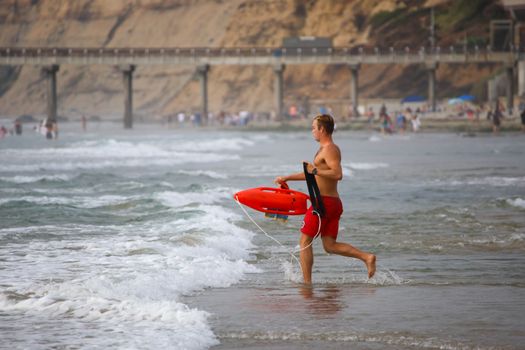
Lifeguard and Watersports Assistant

Combine the critical role of a beach or pool lifeguard with assisting in the day-to-day operations of a watersports centre. This could involve supervising water activities, helping with equipment maintenance, giving basic introductions to sports, and ensuring safety protocols are met.

Build Your Foundations

Gain Personal Experience

Start by actively participating in a range of watersports yourself to develop personal proficiency and passion for the activities you wish to teach.

Many watersports instructors begin as enthusiasts. Spend time on the water, whether it's sailing at a local club, kayaking on rivers, or trying out windsurfing during holidays. The more experience you have across different disciplines, the better understanding you'll gain of the skills involved, common challenges, and safety considerations. This personal experience forms the bedrock of your teaching ability and credibility.

Achieve Core Water Safety Qualifications

Obtain essential qualifications in first aid and water-specific rescue techniques to ensure you can act competently in emergencies.

Crucial qualifications include a recognised First Aid certificate (e.g., ITC Level 3 Outdoor First Aid, or St John Ambulance Workplace First Aid) and a water-specific rescue qualification like the Royal Life Saving Society UK (RLSS UK) National Pool Lifeguard Qualification (NPLQ) if you're working near pools, or an appropriate water-specific rescue award for open water environments (e.g., BCU Foundation Safety and Rescue Training, or RYA Powerboat Level 2). These are fundamental for any watersports role and often a prerequisite for instructor courses.

Explore Different Watersports Disciplines

Consider which specific watersports you're most interested in teaching and begin to specialise in those areas.

The world of watersports is vast. Do you have a passion for sailing, kayaking, stand-up paddleboarding, windsurfing, or even wakeboarding? Research the governing bodies for each discipline in the UK (e.g., RYA for sailing/windsurfing, British Canoeing for kayaking/SUP) and understand their qualification pathways. Often, you'll need to demonstrate a certain level of personal proficiency before enrolling in instructor training for that specific sport.

Instructor Training & Certification

Complete Governing Body Instructor Courses

Undertake official instructor training programmes from the relevant UK watersports governing bodies.

Once you have the necessary personal skills and pre-requisites, enrol in the instructor training courses for your chosen watersports. For example, if you want to teach sailing, you'll likely pursue RYA Dinghy Instructor or RYA Senior Instructor qualifications. For kayaking and paddleboarding, it would be British Canoeing Paddlesport Instructor. These courses typically cover teaching methodologies, safety protocols, session planning, and practical assessment of your instructing ability.

Gain Practical Instructing Experience

Seek opportunities to assist experienced instructors or undertake placements to build your hands-on teaching skills.

After completing your initial instructor course, many governing bodies require a certain number of observed teaching hours or practical assessments before full certification. Look for voluntary roles at watersports centres, assistant instructor positions, or shadowing opportunities. This practical experience is invaluable for refining your teaching style, managing groups, and adapting to real-world scenarios. Gaining this experience is key to becoming a confident and effective instructor.

Secure Necessary Licences & Checks

Ensure you have an up-to-date DBS check and any other necessary safeguarding training required for working with young people.

Working with the public, especially children and vulnerable adults, requires specific checks and training. In the UK, you'll need an enhanced Disclosure and Barring Service (DBS) check. Many employers will also require you to complete safeguarding training, such as those offered by UK Coaching or the NSPCC. These are essential for ensuring a safe environment for all participants and are mandatory for most watersports centres and activity providers.

Launch Your Career

Apply for Watersports Instructor Roles

Actively search and apply for watersports instructor positions at various centres, clubs, or holiday companies.

Look for job openings on specialist watersports recruitment sites, general job boards (e.g., Indeed, LinkedIn), and directly on the websites of watersports centres, outdoor education providers, and holiday companies both in the UK and abroad. Tailor your CV and cover letter to highlight your specific qualifications, experience, and passion for the watersports you're applying to teach. Be prepared for interviews that might include practical demonstrations.

Continuous Professional Development

Keep your qualifications current, expand into new watersports, and attend workshops to enhance your skills and knowledge.

The watersports industry is dynamic, with new techniques and equipment emerging. Regularly refresh your first aid and rescue qualifications. Consider adding instructor qualifications in other watersports disciplines to broaden your appeal to employers. Attend workshops on advanced coaching techniques, disability awareness in watersports, or environmental stewardship to continuously develop your professional practice and stay ahead in your career.

Network Within the Industry

Connect with other instructors, centre managers, and industry professionals to discover new opportunities and share insights.

Networking can open doors to new roles, collaborations, and career progression. Attend industry events, join professional bodies, and engage with online communities. Building relationships with peers and mentors can provide invaluable advice, job leads, and a support system. Many roles in the outdoor industry are filled through word-of-mouth recommendations, making your network a crucial asset.

🎬 Useful Videos

🎯 View Apprenticeships

Explore relevant apprenticeships that can help you kickstart your career in Watersports Instructor. Apprenticeships offer hands-on experience and training while earning a wage.

Career Progressions

This page showcases various career options and the pathways to reach them. Each career listed here shares transferable skills and knowledge, making it easier for individuals to transition between them.

Your current career is highlighted to help you see how it fits into the broader landscape of potential career choices. By clicking on any career, you can learn more about it, including the training and education required to pursue it.

Remember, progressing in your career often involves further learning and training. This page provides insights into future career options as well as those that can lead up to your current one.

These career progression decisions are informed by comparing the skills and knowledge needed for different occupations, along with data on how people move between them. Explore the possibilities and discover the exciting journey ahead in your career!

Sample Qualifications

A Watersports Instructor supervises and teaches participants in various water-based activities, which directly aligns with the broad responsibilities of an Outdoor Activities Instructor who facilitates a range of recreational pursuits, including those on water.

How to become

You can get into this job through:

  • a university course
  • a college course
  • an apprenticeship
  • applying directly
  • doing specialist courses approved by national sporting bodies

University

You could do a foundation degree, higher national diploma or degree in a subject like:

  • outdoor adventure education
  • adventure sports science
  • outdoor leadership
  • outdoors learning

Subjects like physical education, coaching and sports development are also useful for getting into this career.

Entry requirements

You'll usually need:

  • 1 or 2 A levels, or equivalent, for a foundation degree or higher national diploma
  • 2 to 3 A levels, or equivalent, for a degree

More Information

College

You could take a college course to learn some of the skills and knowledge needed for this job. This may help when looking for work as a trainee outdoor leader.

Courses include:

  • sport and outdoor activities
  • education and training - outdoor learning
  • sport and active leisure

You'll also need a coaching or instructor qualification approved by the relevant national governing body for the sports or activities you want to teach.

Entry requirements

Entry requirements for these courses vary.

More Information

Apprenticeship

You could apply to do an apprenticeship with an activity centre or outdoors adventure organisation. 

For example:

  • Outdoor Activity Instructor Level 3 Advanced Apprenticeship
  • Outdoor Learning Specialist Level 5 Higher Apprenticeship

These apprenticeships take between 1 and 2 years to complete and combine on-the-job training with study.

Entry requirements

Employers will set their own entry requirements.

More Information

Volunteering

The key to finding a job is to get plenty of work experience. It will give you a better understanding of the role, and the chance to make contacts who may help you to find paid work.

You could:

  • do a Duke of Edinburgh award
  • join sports and activity clubs
  • volunteer at outdoor activities centres
  • work with a mountain rescue team
  • volunteer with charities that provide young people with outdoor learning opportunities

Direct Application

You can apply directly to employers if you've got relevant skills and experience.

Experience can be from:

  • youth work
  • teaching
  • sports coaching
  • physical training instruction, for example, in the armed forces

Other Routes

You could complete qualifications through sports or activity clubs, an accredited outdoor education centre, or a national governing body.

Examples of instructor qualifications include:

You'll usually need at least 12 months' experience in an activity before you take an award. Check with the relevant national governing body for details of their courses and qualifications.

More Information

Career tips

Some jobs are seasonal, for example from February to November. It's important to check what type of contract is being offered when looking at job vacancies.

Professional and industry bodies

You could join the Institute for Outdoor Learning, for professional development training opportunities and to make industry contacts.

Further information

The Institute for Outdoor Learning has more information on how to become an outdoor activities instructor.

Interested in More Career Paths?

Explore other careers or use our AI to discover personalised paths based on your interests.

Stay connected

Join our newsletter to stay up to date on features and releases

Address
Developing Experts Limited
Exchange Street Buildings
35-37 Exchange Street
Norwich
NR2 1DP
UK

Phone
01603 273515

Email
[email protected]

Copyright 2026 Developing Experts, All rights reserved.
