Creating Career Path...

Finding Further Careers...

Watersports Instructor

View this career for different education levels:

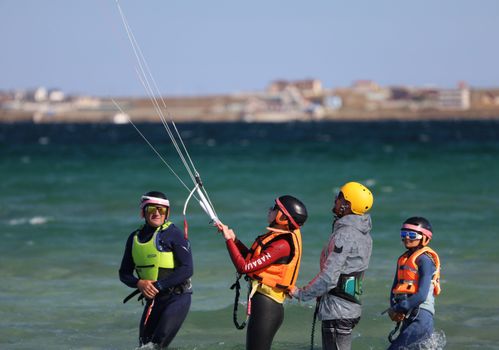
Imagine spending your day by the water, helping people learn exciting new things like sailing a boat, paddleboarding, or windsurfing! That is what a Watersports Instructor does. They teach children and grown-ups how to enjoy different activities safely on the water. They show everyone how to use the special equipment, explain the rules, and make sure everyone has fun while learning. They are like a friendly guide and teacher, making sure everyone feels confident and happy in the water. They often work at special centres, holiday parks, or schools near the sea, lakes, or rivers.

Watersports Instructor

Flag Media

Please select a reason for flagging this content.

📊 Statistics

Average Starting Salary

A watersports instructor starting out might earn around 18000 to 22000 pounds a year in the UK. This can depend on where they work and what qualifications they have.

Experienced Instructor Salary

With more experience and special skills, a watersports instructor could earn between 25000 and 35000 pounds a year. Some highly skilled instructors or managers earn even more.

Number of Positions

There are many opportunities for watersports instructors across the UK, especially in coastal areas and places with lakes and rivers. Each year, hundreds of new instructor roles become available, particularly during the busy summer months.

🚀 Careers in this path

Flag Media

Please select a reason for flagging this content.

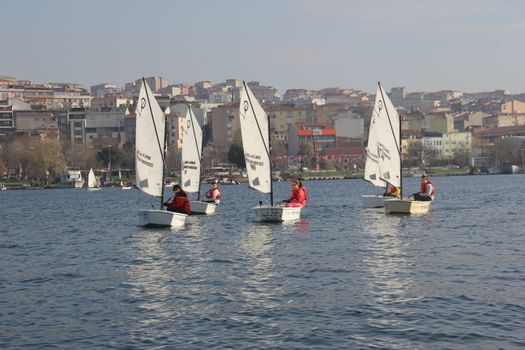
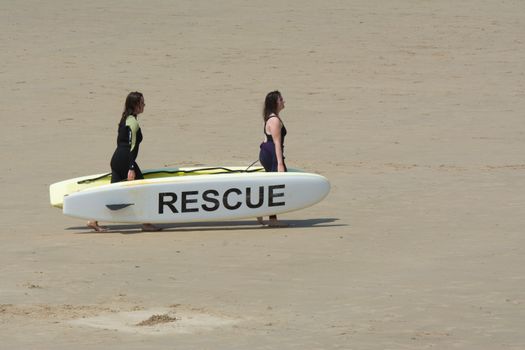
Sailing Coach

Help children learn how to sail small boats safely on the water, teaching them how to steer and use the wind.

Flag Media

Please select a reason for flagging this content.

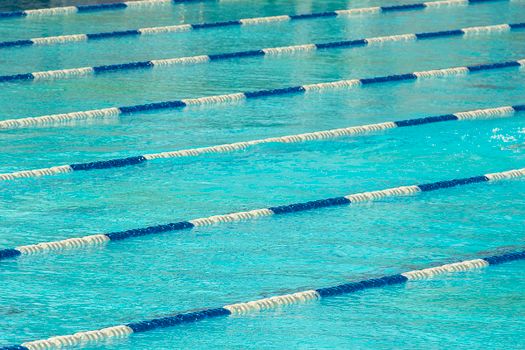
Swimming Teacher

Teach little children how to swim and be safe in the swimming pool, helping them feel confident in the water.

Flag Media

Please select a reason for flagging this content.

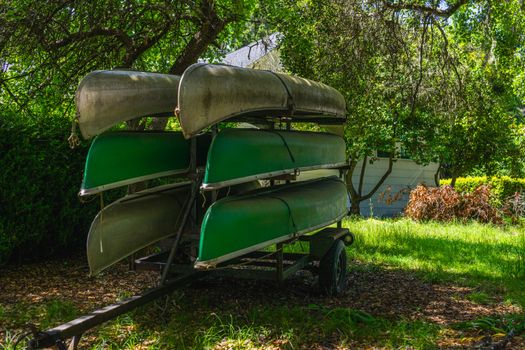
Canoeing Leader

Take groups of children on fun canoeing trips on calm rivers or lakes, showing them how to paddle their canoes.

Learning the Ropes

Try Different Watersports

Start by trying out lots of different watersports like swimming, sailing, kayaking, or paddleboarding. See which ones you enjoy the most!

Many local leisure centres and watersports clubs offer 'taster' sessions or holiday clubs for children. These are fantastic ways to get introduced to various activities like canoeing, stand-up paddleboarding (SUP), or even trying out a small sailboat. It's all about finding what sparks your interest and getting comfortable being in the water.

Become a Good Swimmer

Being a strong swimmer is super important for any watersports activity. Practice your swimming skills regularly.

Joining a swimming club or taking lessons can help you become a confident and strong swimmer. You'll learn different strokes and how to be safe in the water. For a Watersports Instructor, being able to swim well is not just for fun, but also for safety, as you might need to help others in the water.

Learn About Safety

Understand why safety rules are important when you are around water, like wearing a buoyancy aid.

Always listen to adults and instructors when you are near water. They will teach you about important safety rules like wearing the correct safety gear, such as a life jacket or buoyancy aid, and understanding weather conditions. Knowing how to be safe is the first step to being a great instructor one day.

Becoming an Expert

Join a Watersports Club

Join a club where you can learn more about your favourite watersport and get better at it.

Watersports clubs are amazing places to learn and grow. You can make new friends who love watersports just as much as you do! Instructors at these clubs can teach you special techniques and help you improve your skills, whether it's sailing a boat faster or paddling a kayak more efficiently. They also often offer recognised awards and certificates as you progress.

Get Certifications

As you get older, you can get special certificates that show you are really good at a watersport and understand safety.

When you're a bit older, organisations like the Royal Yachting Association (RYA) or British Canoeing offer recognised qualifications. These courses teach you advanced skills, rescue techniques, and how to teach others safely. Getting these 'tickets' is a big step towards becoming a professional instructor because they prove you have the necessary knowledge and skills.

First Aid Training

Learn how to help someone who is hurt or not feeling well, especially when you are near water.

A First Aid qualification is incredibly important for any instructor. It teaches you what to do if someone has a minor accident, like a cut, or something more serious. Knowing first aid makes you a safer and more confident person to be around, and it's often a requirement for many instructor jobs.

Teaching and Sharing

Volunteer at a Club

Help out at your local watersports club. This is a great way to learn how to teach others and gain experience.

Volunteering is a brilliant way to see what being an instructor is like. You might help tidy up equipment, assist with beginner lessons, or even help organise events. It shows you're enthusiastic and keen to learn the ropes, and it's often how people get their first chances to lead small groups under supervision.

Become an Assistant Instructor

Start by helping a main instructor during lessons, learning how they teach and manage groups.

Once you have some experience and maybe a basic qualification, you can work as an assistant. You'll help the lead instructor with their groups, maybe demonstrating skills or helping individual students. This step is key for gaining confidence in leading activities and learning how to explain things clearly to different people.

Lead Your Own Lessons

When you have enough experience and qualifications, you can lead your very own watersports lessons!

After gaining more experience, advanced qualifications, and proving you can safely and effectively teach, you'll be ready to lead your own lessons. You'll plan activities, teach skills, and make sure everyone has a fantastic time on the water. This is where all your hard work pays off, as you get to inspire others with your love for watersports!

🎬 Useful Videos

🎯 View Apprenticeships

Explore relevant apprenticeships that can help you kickstart your career in Watersports Instructor. Apprenticeships offer hands-on experience and training while earning a wage.

Career Progressions

This page showcases various career options and the pathways to reach them. Each career listed here shares transferable skills and knowledge, making it easier for individuals to transition between them.

Your current career is highlighted to help you see how it fits into the broader landscape of potential career choices. By clicking on any career, you can learn more about it, including the training and education required to pursue it.

Remember, progressing in your career often involves further learning and training. This page provides insights into future career options as well as those that can lead up to your current one.

These career progression decisions are informed by comparing the skills and knowledge needed for different occupations, along with data on how people move between them. Explore the possibilities and discover the exciting journey ahead in your career!

Sample Qualifications

A Watersports Instructor primarily teaches and supervises participants in various water-based activities such as kayaking, paddleboarding, or windsurfing, which falls under the broader category of outdoor recreational activities, aligning well with the duties of an 'Outdoor activities instructor'. While 'Sailing instructor' is water-based, 'Watersports Instructor' encompasses a wider range of activities beyond just sailing.

How to become

You can get into this job through:

  • a university course
  • a college course
  • an apprenticeship
  • applying directly
  • doing specialist courses approved by national sporting bodies

University

You could do a foundation degree, higher national diploma or degree in a subject like:

  • outdoor adventure education
  • adventure sports science
  • outdoor leadership
  • outdoors learning

Subjects like physical education, coaching and sports development are also useful for getting into this career.

Entry requirements

You'll usually need:

  • 1 or 2 A levels, or equivalent, for a foundation degree or higher national diploma
  • 2 to 3 A levels, or equivalent, for a degree

More Information

College

You could take a college course to learn some of the skills and knowledge needed for this job. This may help when looking for work as a trainee outdoor leader.

Courses include:

  • sport and outdoor activities
  • education and training - outdoor learning
  • sport and active leisure

You'll also need a coaching or instructor qualification approved by the relevant national governing body for the sports or activities you want to teach.

Entry requirements

Entry requirements for these courses vary.

More Information

Apprenticeship

You could apply to do an apprenticeship with an activity centre or outdoors adventure organisation. 

For example:

  • Outdoor Activity Instructor Level 3 Advanced Apprenticeship
  • Outdoor Learning Specialist Level 5 Higher Apprenticeship

These apprenticeships take between 1 and 2 years to complete and combine on-the-job training with study.

Entry requirements

Employers will set their own entry requirements.

More Information

Volunteering

The key to finding a job is to get plenty of work experience. It will give you a better understanding of the role, and the chance to make contacts who may help you to find paid work.

You could:

  • do a Duke of Edinburgh award
  • join sports and activity clubs
  • volunteer at outdoor activities centres
  • work with a mountain rescue team
  • volunteer with charities that provide young people with outdoor learning opportunities

Direct Application

You can apply directly to employers if you've got relevant skills and experience.

Experience can be from:

  • youth work
  • teaching
  • sports coaching
  • physical training instruction, for example, in the armed forces

Other Routes

You could complete qualifications through sports or activity clubs, an accredited outdoor education centre, or a national governing body.

Examples of instructor qualifications include:

You'll usually need at least 12 months' experience in an activity before you take an award. Check with the relevant national governing body for details of their courses and qualifications.

More Information

Career tips

Some jobs are seasonal, for example from February to November. It's important to check what type of contract is being offered when looking at job vacancies.

Professional and industry bodies

You could join the Institute for Outdoor Learning, for professional development training opportunities and to make industry contacts.

Further information

The Institute for Outdoor Learning has more information on how to become an outdoor activities instructor.

Interested in More Career Paths?

Explore other careers or use our AI to discover personalised paths based on your interests.

Stay connected

Join our newsletter to stay up to date on features and releases

Address
Developing Experts Limited
Exchange Street Buildings
35-37 Exchange Street
Norwich
NR2 1DP
UK

Phone
01603 273515

Email
[email protected]

Copyright 2026 Developing Experts, All rights reserved.
