
Creating Career Path...

Finding Further Careers...

Watersports Instructor

View this career for different education levels:

A Watersports Instructor is someone who teaches people how to do various activities on the water, like sailing, kayaking, paddleboarding, windsurfing, or even wakeboarding. They work at watersports centres, holiday resorts, or outdoor education centres, usually by the sea, a lake, or a river. Your main job would be to make sure everyone is safe, having fun, and learning new skills. You would show students how to use the equipment properly, explain safety rules, and guide them through different techniques. It's a very active job that requires you to be confident in the water and a good communicator. You also need to be patient and encouraging, especially with beginners or younger students. Being a Watersports Instructor is great if you love being outdoors, enjoy water activities, and like working with people. You would spend a lot of time outside, often in beautiful natural surroundings. You'll help people of all ages, from children to adults, gain confidence and skills, which can be really rewarding. Depending on the centre, you might specialise in one watersport or teach a variety of them. It often involves working during weekends and school holidays, as that is when most people want to try watersports. You'll need specific qualifications for each sport you teach, which usually involve training courses and assessments.

Watersports Instructor

Flag Media

Please select a reason for flagging this content.

📊 Statistics

Average Salary Range

For a Watersports Instructor in the UK, typical salaries can range from around 18,000 to 25,000 pounds per year, especially for entry-level or seasonal roles. More experienced instructors or those in management positions might earn more.

Seasonal Employment

Many watersports instructor roles in the UK are seasonal, meaning they are most common during the spring and summer months when the weather is warmer and people are more likely to participate in watersports. Year-round opportunities exist, but are fewer.

Number of UK Job Postings

While an exact real-time number is hard to pin down, during peak season (April to September), there are usually hundreds of job postings across the UK for watersports instructors, particularly in coastal areas and around large lakes or reservoirs.

🚀 Careers in this path

Flag Media

Please select a reason for flagging this content.

Sailing Instructor

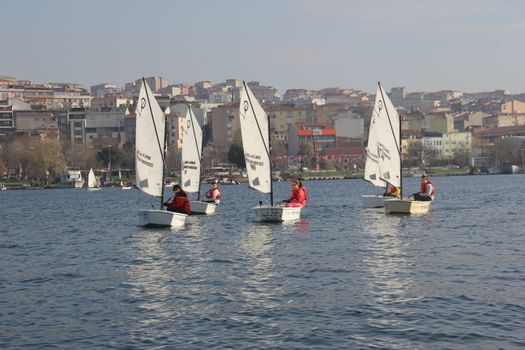
Teach people how to sail dinghies and small boats safely. You'd show them how to steer, use the sails, and understand the wind, helping them get their sailing qualifications.

Flag Media

Please select a reason for flagging this content.

Kayaking Coach

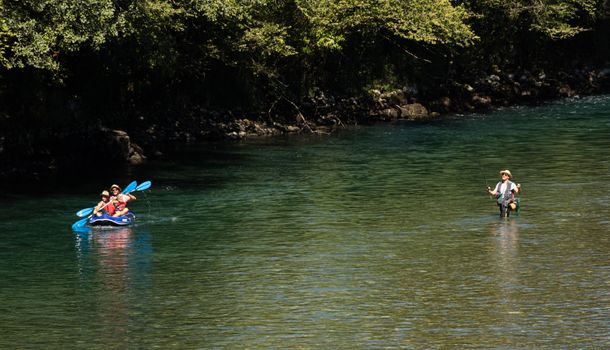
Guide groups on kayaking trips, showing them how to paddle effectively, stay safe on the water, and enjoy different types of waterways like rivers or lakes.

Flag Media

Please select a reason for flagging this content.

Paddleboard Instructor

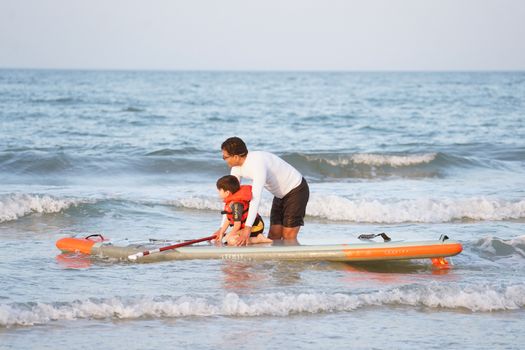
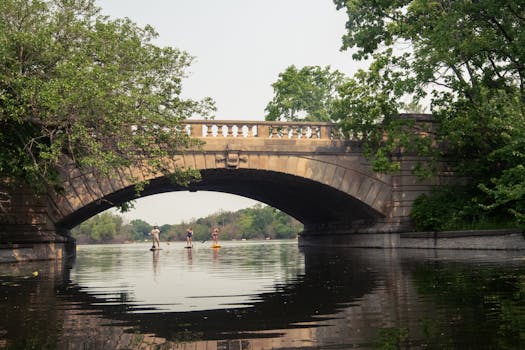
Introduce people to stand-up paddleboarding (SUP), teaching them how to balance, paddle, and manoeuvre the board, often on calm waters.

Build Your Watersports Skills

Try Different Watersports

Experiment with various watersports like kayaking, paddleboarding, sailing, or windsurfing to find out what you enjoy the most and want to teach.

Many local outdoor centres, holiday parks, or youth clubs offer taster sessions or beginner courses. See if your school has any watersports clubs or trips. The more experience you get in different activities, the better you'll understand how they work and what's involved in learning them.

Get Regular Practice

Once you've found a watersport you love, practice regularly to build your skills and confidence. The better you are, the easier it will be to teach others.

Join a local watersports club. Many clubs have junior sections and offer equipment hire or even free use for members. Practicing regularly will not only improve your technique but also help you understand the challenges beginners face, which is really useful for an instructor.

Learn About Water Safety

Understanding how to stay safe on the water is super important. Learn about tides, currents, weather, and how to use safety equipment.

Look for local organisations that offer basic water safety courses, like the Royal National Lifeboat Institution (RNLI) or local sailing clubs. Knowing about first aid is also a big plus. Safety is the number one priority for any watersports instructor, so getting a head start on this knowledge is really beneficial.

Gain Qualifications

Achieve National Governing Body Awards

To teach watersports in the UK, you'll need specific qualifications from the sport's governing body, like British Canoeing or the Royal Yachting Association (RYA).

These qualifications start with personal performance awards to show you can do the sport well, then progress to instructor or coach awards. For example, for kayaking, you might aim for a British Canoeing Paddle Explore award, then move towards a Paddlesport Instructor qualification. The RYA offers similar schemes for sailing and windsurfing. Research the governing body for your chosen watersport and their pathway for instructors.

Get a First Aid Certificate

A valid first aid certificate is usually essential for watersports instructors, as you might need to help someone who gets hurt.

Look for recognised first aid courses, such as those offered by St John Ambulance, British Red Cross, or outdoor-specific first aid providers. Many instructor qualifications require a certain level of first aid, often a 2-day Outdoor First Aid course. Make sure the certificate is valid for the industry you want to work in.

Complete a Safeguarding Course

If you'll be working with children or vulnerable adults, you'll need to complete a safeguarding course to ensure you know how to protect them.

Governing bodies like British Canoeing and the RYA often provide their own safeguarding modules, or you can take courses from organisations like UK Coaching. This training teaches you how to recognise and respond to concerns about a person's welfare, which is a legal and ethical requirement when working with young people.

Start Your Career

Volunteer or Shadow an Instructor

Gain practical experience by volunteering at a watersports centre or shadowing an experienced instructor to see what the job is really like.

Volunteering helps you understand how a centre operates, how lessons are planned, and how to manage groups. It's a great way to put your qualifications into practice and gain confidence before taking on full responsibility. This experience also looks fantastic on your CV when applying for paid roles.

Apply for Instructor Jobs

Look for job openings at watersports centres, outdoor adventure camps, holiday parks, or even schools with outdoor education programmes.

Websites like Outdoor Industry Jobs, national governing body job boards (e.g., RYA Jobs), and general job sites often list vacancies. Be prepared to travel for seasonal work, as many centres are in coastal or lakeside locations. Your CV should highlight your qualifications, experience, and passion for watersports.

Continue Learning and Developing

Once you're working, keep improving your skills and maybe even get more qualifications in different watersports or at higher levels.

The watersports industry is always evolving, and new techniques or equipment come out. Pursuing advanced coaching awards, different discipline qualifications (e.g., teaching sailing if you started with kayaking), or even management qualifications can open up new opportunities and help you progress in your career. Networking with other instructors is also very valuable for learning and career progression.

🎬 Useful Videos

🎯 View Apprenticeships

Explore relevant apprenticeships that can help you kickstart your career in Watersports Instructor. Apprenticeships offer hands-on experience and training while earning a wage.

Career Progressions

This page showcases various career options and the pathways to reach them. Each career listed here shares transferable skills and knowledge, making it easier for individuals to transition between them.

Your current career is highlighted to help you see how it fits into the broader landscape of potential career choices. By clicking on any career, you can learn more about it, including the training and education required to pursue it.

Remember, progressing in your career often involves further learning and training. This page provides insights into future career options as well as those that can lead up to your current one.

These career progression decisions are informed by comparing the skills and knowledge needed for different occupations, along with data on how people move between them. Explore the possibilities and discover the exciting journey ahead in your career!

Sample Qualifications

A Watersports Instructor supervises and teaches participants in various water-based activities like kayaking, paddleboarding, or windsurfing, which aligns perfectly with the general remit of an Outdoor Activities Instructor who leads and educates individuals in a range of outdoor pursuits.

How to become

You can get into this job through:

  • a university course
  • a college course
  • an apprenticeship
  • applying directly
  • doing specialist courses approved by national sporting bodies

University

You could do a foundation degree, higher national diploma or degree in a subject like:

  • outdoor adventure education
  • adventure sports science
  • outdoor leadership
  • outdoors learning

Subjects like physical education, coaching and sports development are also useful for getting into this career.

Entry requirements

You'll usually need:

  • 1 or 2 A levels, or equivalent, for a foundation degree or higher national diploma
  • 2 to 3 A levels, or equivalent, for a degree

More Information

College

You could take a college course to learn some of the skills and knowledge needed for this job. This may help when looking for work as a trainee outdoor leader.

Courses include:

  • sport and outdoor activities
  • education and training - outdoor learning
  • sport and active leisure

You'll also need a coaching or instructor qualification approved by the relevant national governing body for the sports or activities you want to teach.

Entry requirements

Entry requirements for these courses vary.

More Information

Apprenticeship

You could apply to do an apprenticeship with an activity centre or outdoors adventure organisation. 

For example:

  • Outdoor Activity Instructor Level 3 Advanced Apprenticeship
  • Outdoor Learning Specialist Level 5 Higher Apprenticeship

These apprenticeships take between 1 and 2 years to complete and combine on-the-job training with study.

Entry requirements

Employers will set their own entry requirements.

More Information

Volunteering

The key to finding a job is to get plenty of work experience. It will give you a better understanding of the role, and the chance to make contacts who may help you to find paid work.

You could:

  • do a Duke of Edinburgh award
  • join sports and activity clubs
  • volunteer at outdoor activities centres
  • work with a mountain rescue team
  • volunteer with charities that provide young people with outdoor learning opportunities

Direct Application

You can apply directly to employers if you've got relevant skills and experience.

Experience can be from:

  • youth work
  • teaching
  • sports coaching
  • physical training instruction, for example, in the armed forces

Other Routes

You could complete qualifications through sports or activity clubs, an accredited outdoor education centre, or a national governing body.

Examples of instructor qualifications include:

You'll usually need at least 12 months' experience in an activity before you take an award. Check with the relevant national governing body for details of their courses and qualifications.

More Information

Career tips

Some jobs are seasonal, for example from February to November. It's important to check what type of contract is being offered when looking at job vacancies.

Professional and industry bodies

You could join the Institute for Outdoor Learning, for professional development training opportunities and to make industry contacts.

Further information

The Institute for Outdoor Learning has more information on how to become an outdoor activities instructor.

Interested in More Career Paths?

Explore other careers or use our AI to discover personalised paths based on your interests.

Stay connected

Join our newsletter to stay up to date on features and releases

Address
Developing Experts Limited
Exchange Street Buildings
35-37 Exchange Street
Norwich
NR2 1DP
UK

Phone
01603 273515

Email
[email protected]

Copyright 2026 Developing Experts, All rights reserved.
